






The Golden Age of the 'Named' Diet
For decades, the path to weight loss seemed straightforward, if not easy: you picked a team. You were an Atkins person, a South Beach devotee, a Paleo purist, or maybe you went all-in on Weight Watchers. These brand-name diets operated on a simple, compelling
premise: follow our universal set of rules, and you will see results. They offered a clear enemy (carbs, fat, processed foods) and a simple doctrine. Millions bought the books, subscribed to the services, and filled their grocery carts accordingly. This model thrived because it provided structure in the confusing world of nutrition. In an era before the internet put every competing study at our fingertips, the authority of a single, bestselling plan was comforting. It was a shared cultural experience, creating communities of dieters who could swap tips and lament their shared restrictions.
The Rise of Personalized Nutrition
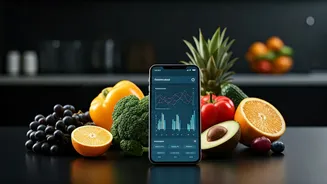
The first major crack in the one-size-fits-all foundation came from technology. Why follow a generic plan when you could have one tailored to your unique biology? Companies like Noom swapped rigid meal plans for psychology-based coaching, using AI to nudge users toward better habits. Then came the biological deep dive. Services like Zoe analyze your gut microbiome and blood sugar responses to recommend foods specifically for your body. Others use genetic testing to suggest optimal eating patterns based on your DNA. This hyper-personalization makes a generic, book-based diet feel archaic. The new promise isn't a magic list of 'good' and 'bad' foods for everyone, but a customized roadmap built from your own data. It reframes health as a science experiment with an N-of-1, where you are the sole subject. This approach feels more sophisticated, more credible, and far more likely to work than a plan designed for the masses.
A Cultural Backlash Against 'Diet Culture'
While tech offered a new way forward, a powerful cultural movement began questioning the destination itself. The concept of 'diet culture'—the relentless pursuit of thinness through restrictive eating—came under fire. Fueled by social media and a growing exhaustion with the cycle of yo-yo dieting, movements like body positivity and Health at Every Size (HAES) gained mainstream traction. They argue that weight is a poor proxy for health and that intentional weight loss diets often do more harm than good, leading to disordered eating and poor body image. Instead, they promote 'intuitive eating,' a practice of honoring your body’s hunger and fullness cues without moral judgment. This philosophy directly contradicts the rule-based nature of generic diets. For a growing number of Americans, the goal is no longer to shrink their bodies but to heal their relationship with food, and that's a journey no pre-packaged diet plan can guide.
The New Landscape of Wellness
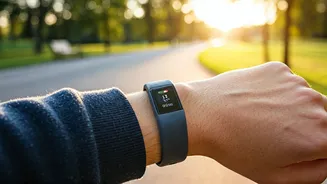
Today, the authority once held by a handful of diet gurus has fragmented into a thousand different pieces. People are less likely to say, 'I'm on the Keto diet,' and more likely to say, 'I'm trying to eat more whole foods,' 'I'm focusing on my gut health,' or 'I'm avoiding foods that spike my blood sugar.' The conversation has shifted from universal rules to individual frameworks. This doesn't mean people have stopped caring about their health; they've just become the authority in their own lives. They're cobbling together personalized approaches using data from a glucose monitor, advice from a registered dietitian, principles from intuitive eating, and recipes from TikTok. The generic diet plan, with its strict commandments and promises of a universal solution, simply can't compete in a world where everyone wants to be the author of their own wellness story.