


The Rise and Fall of Clinical Cool
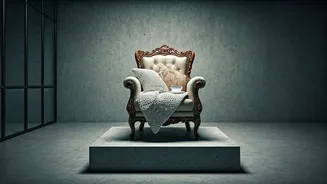
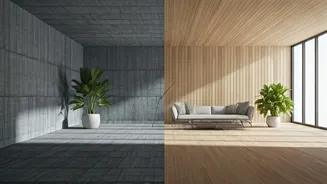
For the better part of a decade, a specific brand of minimalism dominated our screens and aspirations. It was a look defined by what it lacked: color, clutter, and often, personality. Think of vast, open-plan spaces with gleaming concrete floors, stark
white walls, and furniture that looked more like sculpture than a place to relax. This aesthetic, often dubbed “clinical minimalism,” fetishized perfection. It was the interior design equivalent of a surgically precise Instagram filter—clean, orderly, and ultimately, a little soulless. This style wasn’t born in a vacuum. It was a reaction to the maximalist clutter of previous decades and an embrace of digital-age sleekness. It promised a life free of distraction, where a tidy home equaled a tidy mind. But living in a space that feels like an art gallery has its downsides. The pressure to maintain its pristine condition was immense, and the lack of personal touches could make a home feel more like a high-end hotel you were just visiting.
The Great Re-evaluation at Home
Then, the world changed. The pandemic forced us indoors, transforming our homes from places we left every morning into the entire backdrop of our lives. They became our offices, gyms, schools, and social hubs. Suddenly, that stark, untouchable living room didn't seem so chic. It felt cold, empty, and sterile—words we were desperately trying to avoid. Being confined to our spaces made us acutely aware of how they made us *feel*. We craved comfort, security, and a connection to the outside world we were missing. The priority shifted from a home that looked good to an audience (real or on social media) to one that felt good to its inhabitants. We needed our homes to hug us back. This collective psychological pivot was the death knell for cold, clinical design and the catalyst for the rise of its much cozier successor.
What Exactly Is Warm Minimalism?
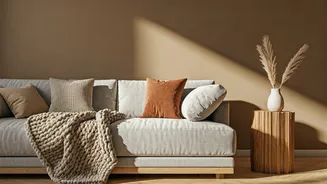
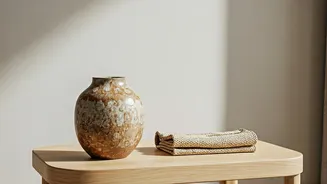
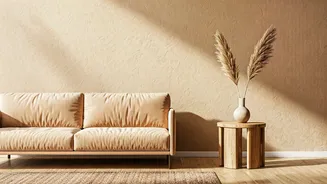
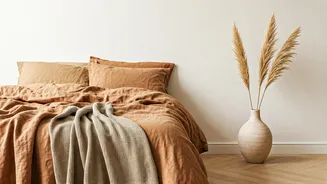
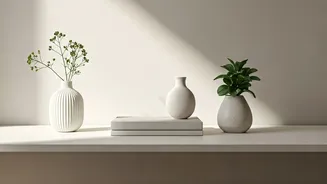
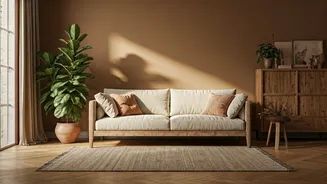
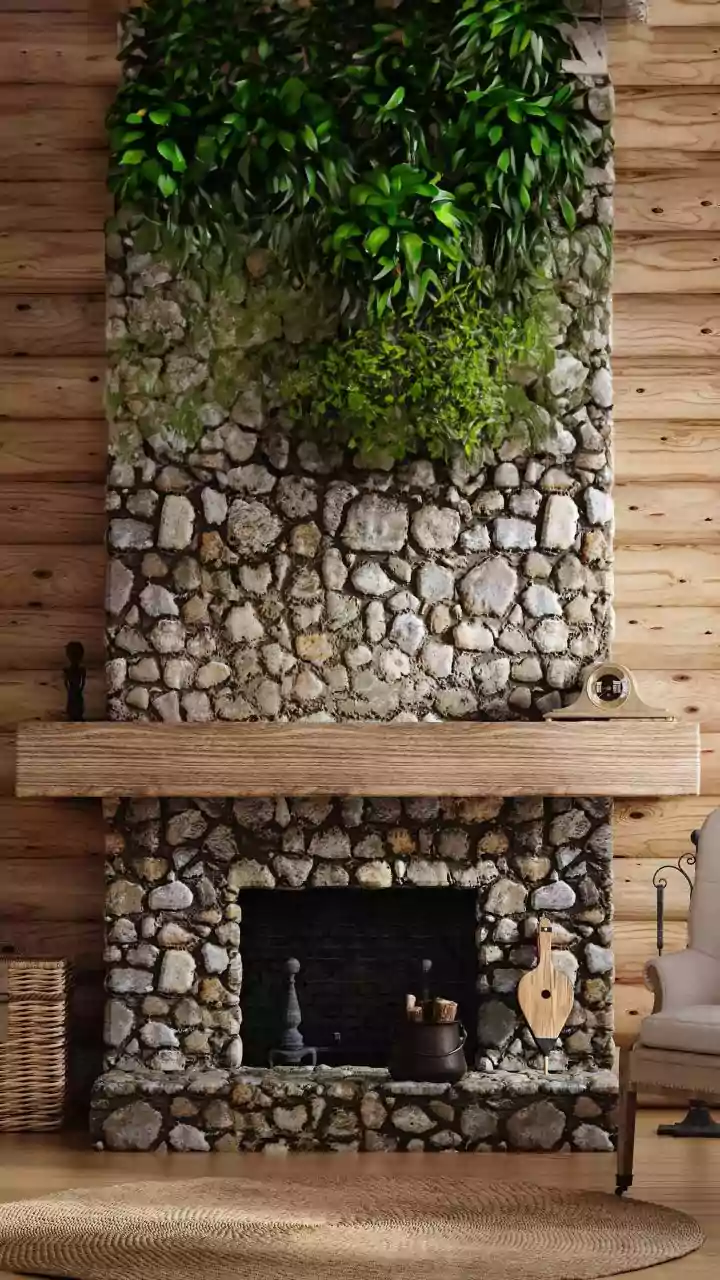
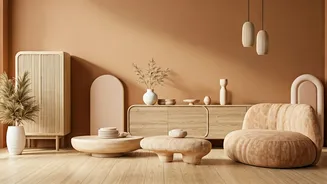
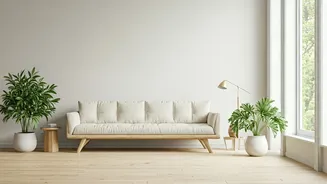
Enter warm minimalism. This isn't a return to chaotic clutter. It’s still about simplicity, intention, and owning fewer, better things. The core principle of “less is more” remains. The difference lies in the execution. Where clinical minimalism used cold tones and hard materials, warm minimalism embraces nature, texture, and humanity. This style is built on a foundation of soft, earthy, and neutral palettes—think oat milk whites, creamy beiges, terracotta, olive green, and soft browns. Materials are organic and tactile: unfinished woods, rattan, jute, linen, wool, and travertine stone. Furniture softens its edges, favoring curved sofas and rounded tables that encourage flow and conversation. It’s a philosophy that finds beauty in imperfection, like the grain of a wooden table or the subtle texture of a handmade ceramic vase. It borrows heavily from principles of Japandi design—a hybrid of Scandinavian function and Japanese rustic minimalism that values craftsmanship, nature, and tranquility.
Bringing Warmth Into Your Space
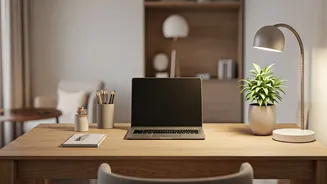
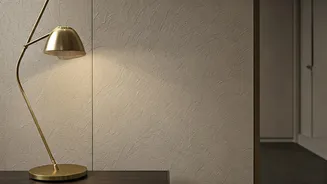
Adopting warm minimalism doesn't require a gut renovation. It’s about layering in elements that add comfort and personality. Start by focusing on texture. Swap a thin polyester throw for a chunky wool blanket. Layer a jute rug over your existing floor. Hang linen curtains that diffuse sunlight beautifully. Next, introduce natural materials. A simple wooden stool can serve as a side table, a cluster of terracotta pots can hold houseplants, and a large branch in a simple vase can create a stunning focal point. Pay attention to lighting—ditch harsh, overhead blue-toned light for warmer, layered sources like table lamps and floor lamps with fabric shades. Finally, and most importantly, make it personal. This style isn’t about replicating a catalog. It’s about curating a space with objects that have meaning to you—a piece of art from a local maker, a collection of books you love, or a vintage piece of furniture with a story. A home should reflect the lives lived within it, and warm minimalism finally gives us permission to do just that.