
Moving Past the Cream-and-Naan Monopoly
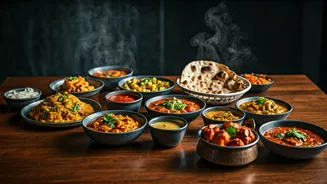
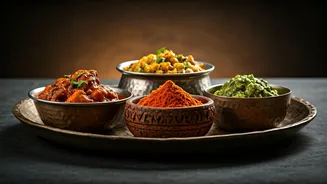
Let’s be honest: when most Americans think of Indian food, they picture a specific menu. It’s almost always butter chicken, saag paneer, maybe a lamb vindaloo, and a basket of fluffy naan. This is the food of Punjab and North India, and for good reason—early
Indian restaurateurs in the U.S. and the U.K. largely hailed from this region. They adapted their recipes for Western palates, toning down the heat and leaning into rich, comforting sauces made with cream, cashews, and butter. It was delicious, accessible, and it became the default. But India is a subcontinent with a coastline stretching nearly 4,700 miles. To equate its entire culinary identity with a handful of Punjabi dishes is like saying American food is just cheeseburgers and fries. The "coastal glow-up" is a long-overdue correction, a movement driven by a new generation of chefs eager to showcase the incredible diversity of their heritage.
What Does a Coastal Glow-Up Taste Like?
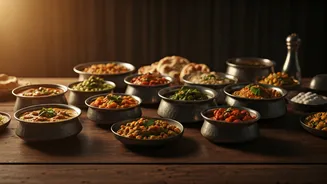
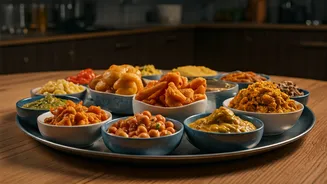
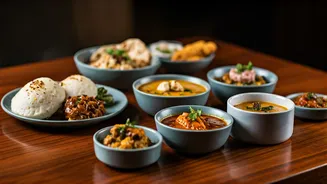
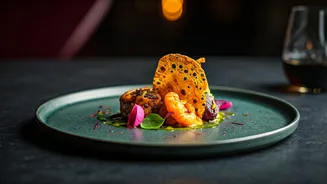
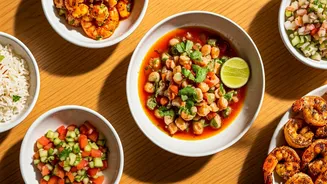
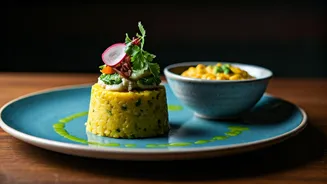
Imagine trading heavy cream for the light, sweet creaminess of fresh coconut milk. Picture swapping dense, gravy-based dishes for delicate seafood steamed in banana leaves or bright, tangy broths soured with tamarind or kokum, a sour mangosteen relative. This is the essence of coastal Indian cooking. From the Portuguese-influenced Goan cuisine with its fiery fish curries to the subtle, fragrant flavors of Kerala, known as "God's Own Country," the focus is on what’s fresh from the water and the farm. Key ingredients create a completely different flavor profile: popping mustard seeds, aromatic curry leaves, fiery green chilis, and the ever-present coconut, used in everything from oils to grated garnishes. Dishes are often lighter, built around rice, and feature an entirely new cast of characters, like Meen Pollichathu (pan-seared fish coated in masala and wrapped in a banana leaf) or Gunpowder Dosa (a crispy crepe dusted with a spicy lentil powder).
The Perfect Modern Lunch
This shift isn't just about authenticity; it's also perfectly in sync with modern American dining trends. Today’s diners, especially at lunchtime, are looking for meals that are energizing, not enervating. The coastal Indian menu is practically designed for this moment. It’s naturally lighter and often healthier, with a strong emphasis on vegetables, lentils, and lean proteins like fish and shrimp. The complex, bright flavors provide a satisfying sensory experience without the heaviness. A Keralan fish curry with a side of red rice feels nourishing and exciting, leaving you ready to tackle the rest of your day, not searching for the nearest couch. This makes it an ideal candidate for fast-casual concepts and daytime cafés, places where the old-school curry house model never quite fit.
Chefs Leading the Wave
This culinary sea change isn't happening in a vacuum. It's being championed by visionary chefs and restaurateurs across the country, particularly in major food hubs like New York City and the Bay Area. These culinary leaders are rejecting the pressure to serve a generic, one-size-fits-all menu. Instead, they’re diving deep into the recipes of their childhoods, celebrating the specific dishes of their hometowns in Tamil Nadu, Kerala, or Goa. By earning critical acclaim—including coveted Michelin stars for restaurants laser-focused on South Indian regionality—they've proven there's a real appetite for this food. They are educating diners, one delicious, coconut-laced dish at a time, and showing that the true 'glow-up' comes from embracing specificity. Their success is inspiring others, and what starts in a handful of destination restaurants soon trickles down, influencing menus and diner expectations everywhere.