



An Escape for the Senses
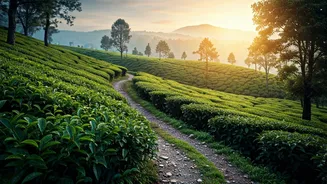
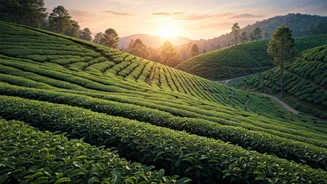
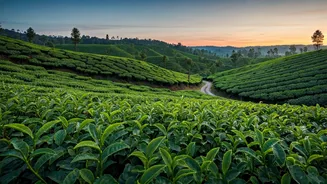
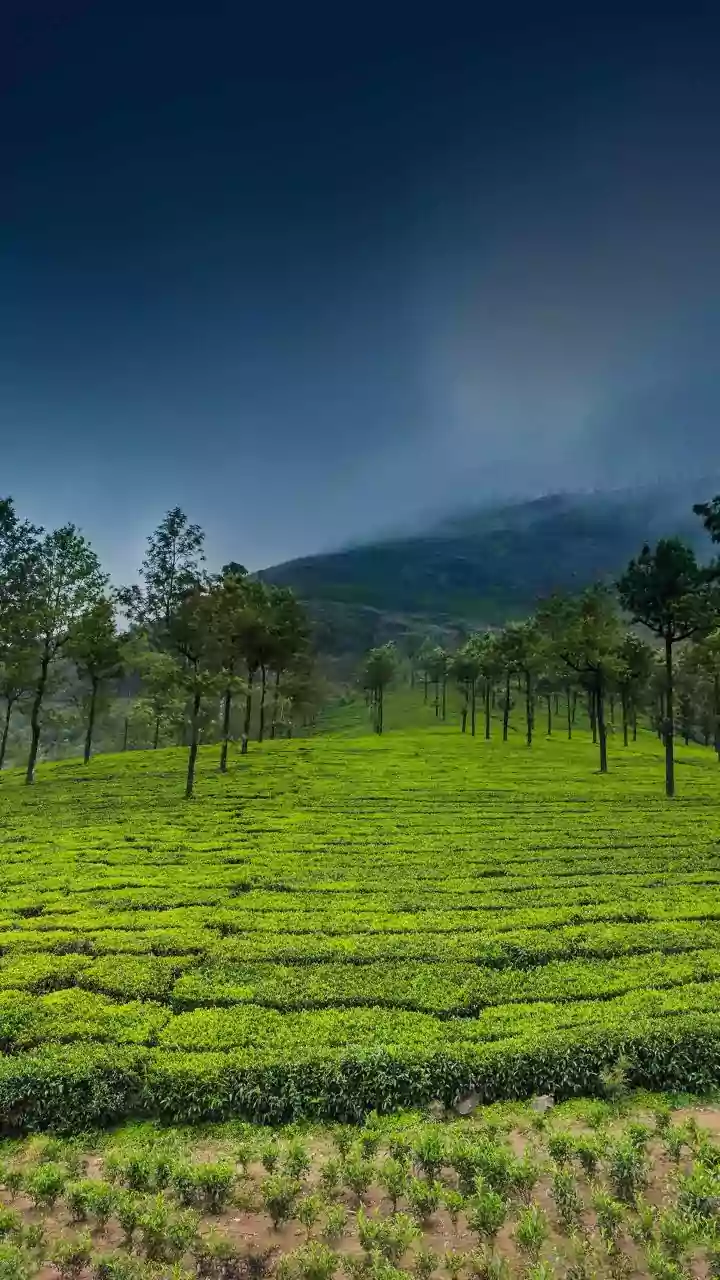
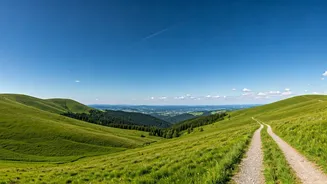
Imagine waking up not to an alarm, but to the sound of birdsong filtering through your window, which opens onto a panorama of meticulously manicured tea bushes cascading down a mountainside. This isn't just a vacation; it's a sensory reset. The romance
of Darjeeling’s tea estates lies in their ability to remove you from the noise of modern life. Here, the main events of the day are a sunrise over the Himalayas, a walk through the fields, and a perfectly brewed cup of the “Champagne of teas.” For American travelers seeking experiences that are both authentic and restorative, the appeal is undeniable. It’s a chance to connect with nature, history, and each other in a setting that feels worlds away from home.
Stay in Living History
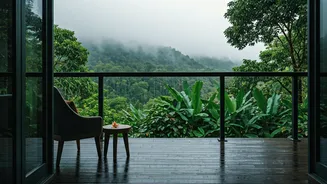
A huge part of the allure is the accommodation. Forget generic hotels; the ultimate Darjeeling experience involves staying in a restored colonial-era planter’s bungalow. Estates like the Glenburn Tea Estate or the Singtom Tea Resort offer luxurious rooms in historic homes that have been in operation for over 150 years. These are not museums. They are intimate, elegant homesteads with fireplaces, verandas, and impeccable service. You’re not just a tourist; you’re a guest in a home that is inextricably linked to the land around it. Evenings are spent reading by a fire or watching the stars appear over the vast, silent valleys—a quiet, shared intimacy that defines the trip.
Walk Through the Tea Gardens
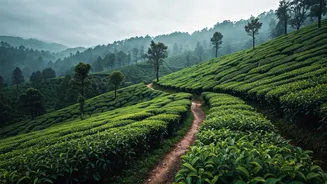
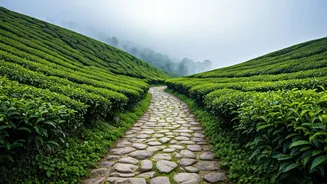
The “tea trails” themselves are the heart of the journey. These are not rugged, difficult treks but gentle, meandering paths that crisscross the estates. You can wander for hours, with nothing but the endless green rows of Camellia sinensis for company. Guides from the estates lead walks where you can meet the tea pluckers, predominantly women whose families have worked this land for generations. You’ll learn to identify the prized “two leaves and a bud” and understand the back-breaking work that goes into every cup. It's a humbling and deeply connecting experience, turning an abstract agricultural product into a living story. Some estates, like the pioneering Makaibari Tea Estate, are biodynamic and deeply integrated with the local community, offering an even richer cultural immersion.
Sunrise Over a Himalayan Giant
While the tea is the star, the supporting actor is the staggering Himalayan mountain range. From many estates, on a clear day, you are greeted with a view of Kanchenjunga, the third-highest mountain in the world. Waking before dawn to watch the first rays of sun hit the snow-capped peaks, turning them from pink to gold, is a quasi-religious experience. It’s a moment of shared awe that is profoundly romantic. This isn’t an item to check off a list; it’s a memory that sears itself into your mind, a grand spectacle of nature that puts everything else into perspective. This majestic backdrop elevates a simple walk through the hills into something truly epic.
From Bush to Cup
The journey culminates in the tasting room. After walking the fields and seeing the factories where leaves are withered, rolled, and fired, you get to taste the final product. A proper Darjeeling tea tasting is as complex as a wine tasting. An expert will guide you through the different “flushes,” or harvests—from the light, floral First Flush to the more robust, muscatel-flavored Second Flush. You learn to slurp the tea to aerate it, identifying notes of fruit, flowers, or spice. This experience connects your entire journey: the soil, the sun, the rain, and the human hands all contributing to the flavor in your cup. It’s the perfect, reflective end to a day spent immersed in the world of tea.