








An Ancient Kingdom of Tigers
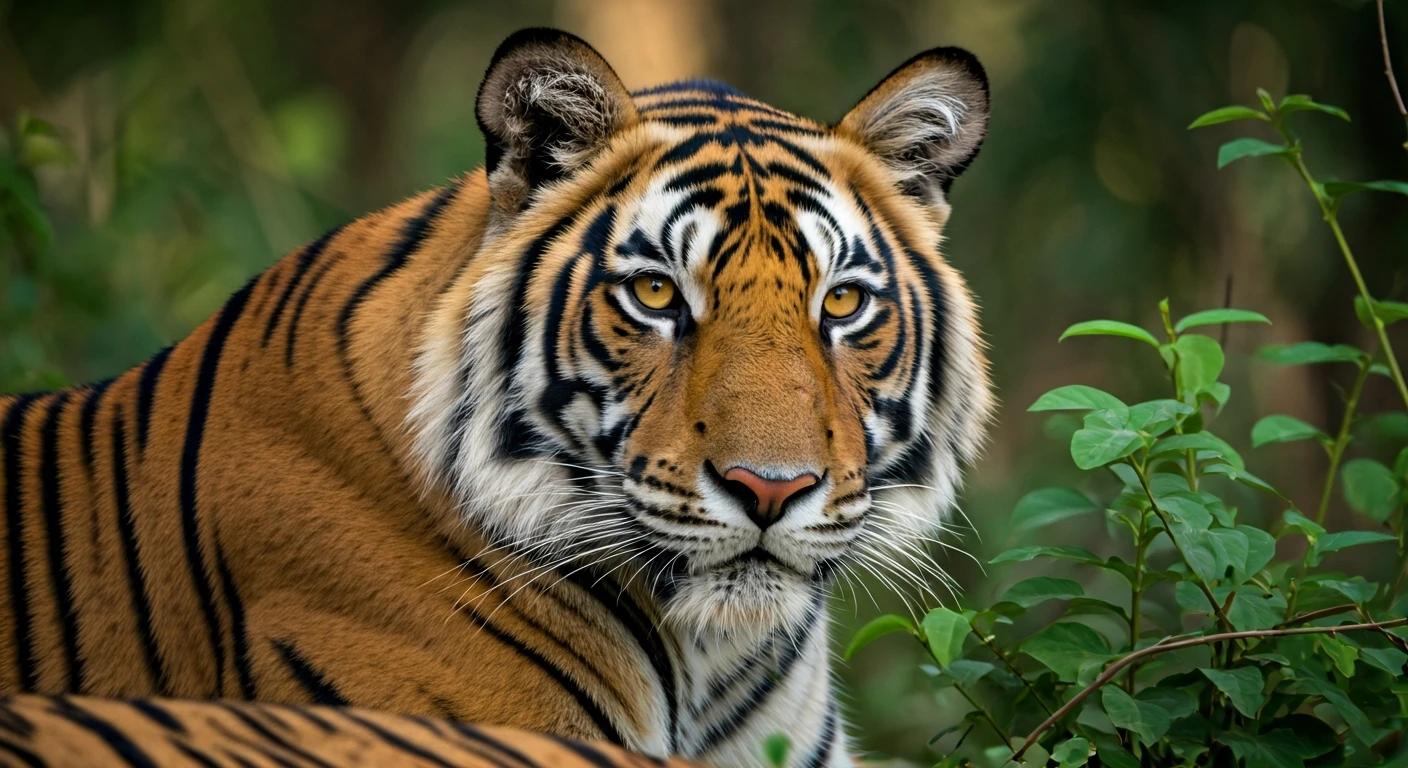
Forget the African plains for a moment and imagine this: a crumbling 10th-century fort perched atop a cliff, ancient temples reclaimed by jungle vines, and shimmering lakes reflecting a wild, rugged landscape. Now, add a Royal Bengal tiger, striped camouflage
against the dry forest, stepping silently into a sunlit clearing. This isn't a fantasy; this is Ranthambore National Park. Located in the Sawai Madhopur district of Rajasthan, India, Ranthambore is one of the most famous and accessible wildlife sanctuaries in Northern India. Once the private hunting grounds of the Maharajas of Jaipur, it’s now a critical tiger reserve. Its unique blend of history, culture, and raw nature makes it a powerful answer to the safari-seeker’s call—no passport stamp for Kenya or Tanzania required.
A Different Kind of Safari
An African safari is often characterized by wide-open spaces and vast herds of animals, viewable from a distance. A Ranthambore safari is a more intimate, suspenseful affair. The thrill here is in the chase—the tracking. Your guide, eyes scanning the dirt tracks for fresh pugmarks, listens for the sharp, warning calls of monkeys or deer that signal a predator is near. The vegetation is denser, a mix of dry deciduous forest and thorny scrub, meaning a tiger can appear suddenly, just feet from your open-topped vehicle. The safari vehicles themselves contribute to the unique experience. You’ll likely be in a six-seater Maruti Suzuki “Gypsy” jeep or a larger 20-seater “Canter” truck. The smaller Gypsies offer a more personal and nimble journey through the park’s ten designated tourist zones, each offering a different slice of the park’s varied terrain.
The Star of the Show
Let’s be clear: people come to Ranthambore for the tigers. And for good reason. Thanks to concerted conservation efforts, the park has one of the highest densities of tigers in India, making sightings relatively common, especially during the dry season. These are not just any tigers; they are celebrities. Many of the resident big cats are known by name and number, with guides recounting the dramatic life stories of tigers like Arrowhead or a legendary past matriarch, Machli, who became a global icon for her resilience and longevity. Seeing a tiger in its natural habitat is a moment that transcends tourism. It’s a primal, heart-stopping experience. Whether it's a female leading her cubs to a waterhole or a massive male patrolling his territory along the park’s dusty roads, the sight of this apex predator—powerful, majestic, and critically endangered—is something you will never forget.
Beyond the Stripes
While the Bengal tiger is undoubtedly the main draw, Ranthambore’s biodiversity is rich and rewarding. The park is a fantastic place to spot leopards, though they are far more elusive than their striped cousins. You’re also likely to encounter large sambar deer, spotted deer (chital), nilgai (blue bull) antelope, and wild boars. Keep an eye out for the lumbering sloth bear, often seen digging for termites, and watch the park’s lakes for marsh crocodiles basking on the banks. For birdwatchers, Ranthambore is a paradise, with over 300 species of birds, from the vibrant Indian roller to majestic crested serpent eagles.
Planning Your Indian Expedition
The best time to visit Ranthambore for tiger sightings is during the dry, hot months from April to June, when animals are forced to congregate around the dwindling water sources. However, the weather is more pleasant from October to March, and sightings are still very possible. The park is closed during the monsoon season (July to September). Safaris must be booked well in advance, as permits are limited and highly sought after. You can book online through the Rajasthan government’s official portal or through your hotel or a reputable travel agent. Most visitors opt for both a morning and an afternoon safari to maximize their chances of a sighting. Accommodation ranges from luxurious heritage hotels to comfortable, budget-friendly guesthouses just outside the park.