





The Arrival of the Rain
It begins not with a bang, but with a scent. After weeks of thick, tropical heat, the air changes. A cool breeze picks up, carrying the smell of damp earth, a fragrance so potent it has a name: petrichor. Then, the first fat drops of water hit the dusty
ground, sizzling for a moment before being joined by a million more. In southwestern India’s coastal state of Kerala, the monsoon isn’t a nuisance to be avoided; it’s a celebrated arrival. The sky opens up, and for the next few months, the world is washed clean. The constant, percussive rhythm of the rain becomes the soundtrack to daily life, a soothing backdrop that encourages you to slow down, listen, and simply be.
A World Washed Green
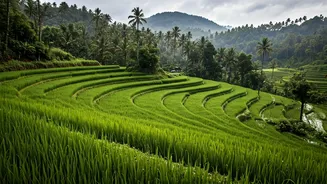
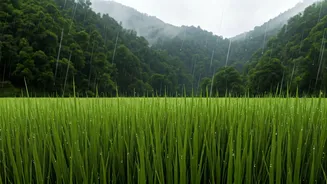
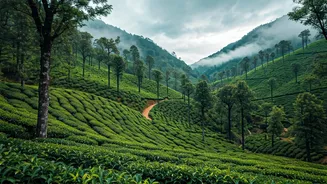
The phrase “God’s Own Country,” as Kerala is known, never feels more accurate than during the monsoon. The rain breathes life into every surface, saturating the landscape with an impossible spectrum of greens. The rolling hills of Munnar, carpeted with tea plantations, become a vibrant, emerald tapestry veiled in soft mist. The winding backwaters, a network of lakes and canals, reflect the moody, overcast sky, their banks thick with swaying palms and verdant foliage. Paddy fields transform into shimmering mirrors. This isn't just greenery; it's an immersive, all-encompassing green that feels ancient and profoundly alive. It’s a visual feast that recharges the soul, a stark and welcome contrast to the concrete and asphalt of modern life.
The Comfort of Hot Chai
While the world outside is drenched, the indoors becomes a sanctuary of warmth and comfort. One of the most essential monsoon experiences is ducking into a small, roadside tea stall, or *thattukada*, as the rain pours down. The simple act of wrapping your hands around a small glass of hot, milky, spiced tea—proper Indian *chai*—is a profound pleasure. The steam fogs the glass as you watch the storm unfold. Often paired with crispy, deep-fried snacks like banana fritters (*pazham pori*) or savory onion pakoras, it’s a ritual that connects you to the local rhythm. This small, inexpensive moment—the sweet spice of the tea, the crunchy texture of the snack, the sound of the downpour—is the very essence of the Kerala monsoon vibe.
Drifting Through the Mist
Cruising the famous backwaters on a traditional houseboat, or *kettuvallam*, is a highlight of any Kerala trip, but during the monsoon, it’s transformed into something ethereal. The usual sunny vistas are replaced by a dreamlike atmosphere. Mist hangs low over the water in the mornings, and the gentle patter of rain on the boat’s thatched roof is a meditative soundtrack. The canals are quieter, the tourist crowds have thinned, and you’re left with a more intimate experience of this unique ecosystem. You’ll drift past quiet villages where life moves at a slower pace, watching fishermen cast their nets and children play along the banks, all under the soft, gray light of a rain-filled sky. It’s a peaceful, almost spiritual journey through a world suspended between water and clouds.
The Off-Season Advantage
Beyond the romantic atmosphere, there is a powerful practical reason to visit Kerala during the monsoon: it’s the low season. From June to September, flight prices often drop, and hotels and resorts offer significant discounts, making a trip far more affordable. The popular destinations are less crowded, allowing for a more authentic and relaxed experience. This is also considered the best time for traditional Ayurvedic treatments, as the moist, cool air is believed to help the body open its pores and become more receptive to the therapies. You get the best of Kerala—its nature, culture, and wellness traditions—without the peak-season crowds or prices. It’s the ultimate travel hack: a more profound experience for a lower cost.