








The New Temple of Wellness
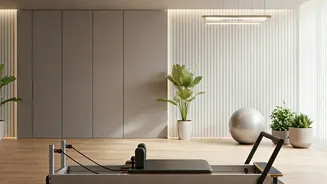
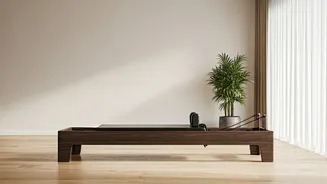
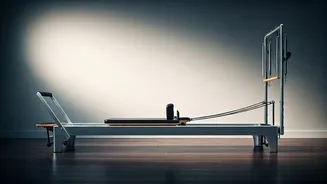
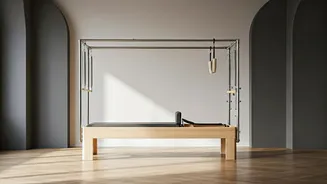
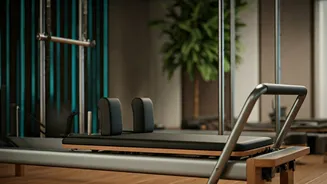
In the chic, upscale neighborhoods of Mumbai, Delhi, and Bangalore, a new kind of temple is drawing disciples. These are not ancient stone structures, but sleek, sunlit studios filled with gleaming reformer machines. Here, the hum of traffic is replaced
by the quiet whir of springs and pulleys and the calm, focused instructions of a trainer. This is the heart of India's Pilates boom, a phenomenon that has repositioned the century-old exercise method as the pinnacle of modern, urban fitness. For a growing segment of India's affluent and upper-middle class, a monthly membership at a high-end Pilates studio—which can cost more than the average Indian’s monthly salary—is the new luxury handbag or designer watch. It’s a signal of not just wealth, but of a commitment to a globalized, sophisticated vision of wellness.
The Bollywood Seal of Approval
So, why Pilates? And why now? The answer, as is often the case with trends in India, starts with Bollywood. For years, celebrity trainers like Yasmin Karachiwala and Namrata Purohit have been the not-so-secret weapons behind the famously fit physiques of superstars like Deepika Padukone, Alia Bhatt, and Katrina Kaif. These trainers, and their celebrity clients, have become powerful evangelists for Pilates, flooding Instagram with videos of them performing gravity-defying moves on the reformer. In a culture where film stars are trendsetters-in-chief, this constant exposure has done more for Pilates than any marketing campaign could. It has successfully framed the workout not as a grueling chore, but as the glamorous, effective method used by the country's most admired people to achieve long, lean, and strong bodies. When your favorite star credits Pilates for their red-carpet look, you pay attention.
A Different Kind of Strength
Beyond the celebrity factor, the appeal of Pilates itself aligns perfectly with the modern wellness zeitgeist. While high-intensity workouts like CrossFit had their moment, they also came with a reputation for being punishing and injury-prone. Pilates offers a compelling alternative. It emphasizes core strength, flexibility, and posture correction—benefits that resonate with a generation spending long hours hunched over desks and screens. It's seen as a 'smarter' workout, one that sculpts and lengthens muscles rather than just bulking them up. This focus on controlled, low-impact movement makes it accessible to a wider range of fitness levels and ages, and positions it as a sustainable, long-term practice rather than a short-term blitz. It’s less about 'no pain, no gain' and more about mindful movement, a message that feels particularly fresh and appealing in today's burnout-aware culture.
The Business of Boutique
The rise of Pilates also tells a story about India's changing economy. The big-box gym model, with its crowded floors and impersonal feel, is losing its appeal for those who can afford better. The new Indian consumer, with rising disposable income, is seeking premium, personalized experiences. Boutique fitness, with its small class sizes, expert instructors, and strong sense of community, fits that demand perfectly. Pilates studios are at the cutting edge of this shift. They aren't just selling exercise; they are selling an exclusive lifestyle. This is a far cry from the 'yoga is free' mentality often associated with wellness in India. While yoga remains deeply woven into the cultural fabric, this new, commercialized form of fitness demonstrates how global trends are being adapted and adopted by a new India that is confident, globally connected, and willing to pay a premium for the best.