


The Allure of the Unexpected
Let’s be honest: suggesting a desert vacation during the rainy season sounds like travel advice from a madman. The typical itinerary for India during the monsoon months (roughly June to September) sends travelers south to the verdant backwaters of Kerala
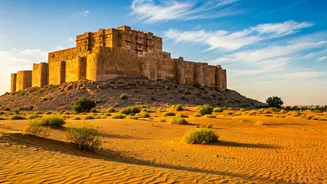
or east to the misty hills of Darjeeling. Meanwhile, Jaisalmer, the magnificent “Golden City” of Rajasthan, is usually reserved for the cooler, drier winter months when its sandstone fort and sprawling dunes are most hospitable. That’s precisely why going during the monsoon is such a brilliant move. While the rest of the country’s popular spots are dealing with peak-season crowds or torrential downpours, Jaisalmer offers a spectacular middle ground. It receives just enough rain to completely change its character, but not enough to wash out your plans. It's the ultimate travel hack: experiencing a world-famous destination when it’s at its most serene and least crowded, revealing a side of itself that few ever get to see.
A Desert in Bloom
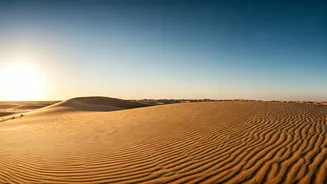
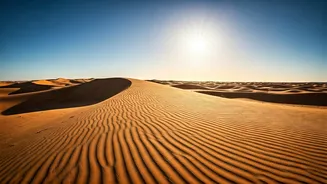
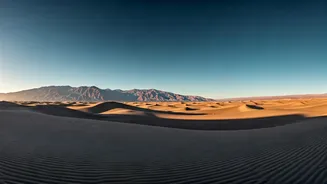
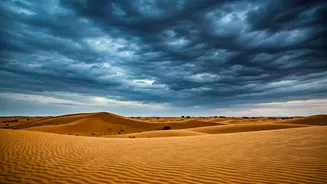
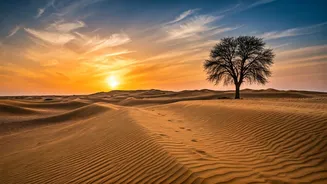
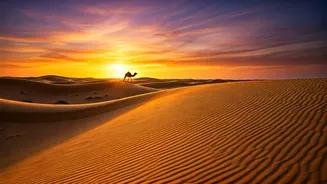
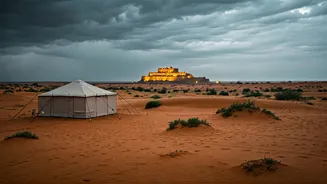
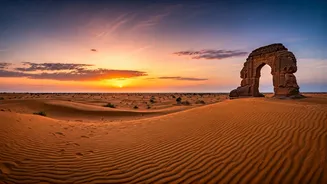
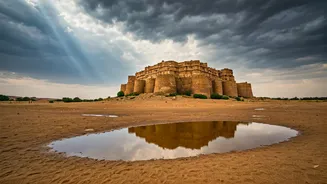
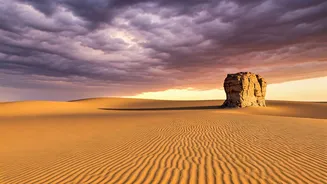
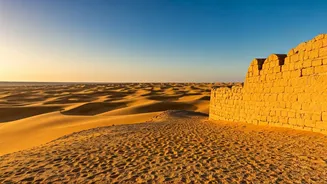
The magic of monsoon Jaisalmer isn’t about heavy rainfall; it’s about the dramatic effect of even a little water on an arid landscape. The blistering heat of summer gives way to a pleasant, earthy coolness. The sky, usually a stark, endless blue, becomes a canvas of dramatic, rolling gray clouds that make the golden-yellow sandstone of the Jaisalmer Fort glow with an otherworldly intensity. The dust settles, replaced by the scent of wet earth—a fragrance, known as *petrichor*, that is especially poignant in the desert. Drive just outside the city, and you’ll witness a miracle. The parched scrubland erupts in surprising bursts of green. Temporary, fleeting lakes form in depressions, reflecting the vast sky and drawing local birds. It’s a photographer’s dream and a profound reminder of nature’s resilience. The iconic sand dunes of Sam don’t disappear; they just get a fresh, clean look, their contours sharpened against the moody sky, offering a completely different, more contemplative desert safari experience.
The Golden City Without the Crowds
The greatest luxury in modern travel is space, and monsoon Jaisalmer offers it in abundance. During the peak winter season, the narrow lanes of the living fort can feel congested, and you’ll likely be sharing your sunset view with hundreds of other tourists. But from July to September, the city is yours to explore. Imagine wandering through the intricately carved *havelis* (historic mansions) like Patwon Ki Haveli and Nathmal Ki Haveli in quiet contemplation, not in a shuffling queue. You can find a secluded spot on the fort ramparts to watch the rain sweep across the city below, or enjoy a cup of chai in a local café without feeling rushed. This is the off-season, which means hotels are not only more available but often significantly cheaper. You’re more likely to have genuine, unhurried conversations with shopkeepers and residents, experiencing the city not as a tourist attraction, but as the living, breathing community it is.
An Experience of Comfort and Culture
The monsoon season alters the very rhythm of life in Jaisalmer. The cooler temperatures make exploring on foot a pleasure rather than an endurance test. The local cuisine, known for its rich, hearty flavors, somehow tastes even better. A plate of hot *pakoras* (fritters) and a spicy masala chai are the perfect companions to an afternoon shower. The season is also tied to festivals like Teej, which celebrates the monsoon’s arrival with vibrant processions and cultural events, primarily for women. While the main festival is celebrated with more fervor elsewhere in Rajasthan, its joyful spirit permeates the air. This trip isn’t about ticking off a checklist of sights. It’s about slowing down and soaking in the atmosphere. It's about seeing a city built to withstand the harshest of suns as it gratefully accepts the gift of rain—a curveball, yes, but one that connects you to the true soul of the desert.