






The Allure of the Extreme
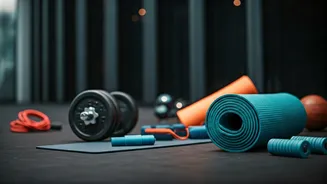
In urban India, fitness has become a status symbol. The rise of a new, globalized middle class brought with it Western-style boutique gyms promising rapid transformations through CrossFit, grueling boot camps, and high-intensity interval training (HIIT).
Fueled by Bollywood's obsession with chiseled physiques and the constant pressure of social media, the message is clear: fitness is an all-or-nothing, high-impact pursuit. The goal isn’t just to be healthy; it’s to look like you’ve conquered a punishing regimen. This aspirational culture sells a compelling fantasy—that with enough sweat, pain, and money, you can achieve a perfect body. It’s a narrative of individual triumph, perfectly suited for a country in the midst of rapid economic change.
An Intimidating Barrier to Entry
The problem is, this extreme approach is deeply exclusionary. For the vast majority of Indians, this model of fitness is not just intimidating; it’s completely inaccessible. The World Health Organization notes that a significant percentage of adults in India do not meet recommended levels of physical activity. The nation is also facing an epidemic of lifestyle diseases like diabetes and heart conditions at an alarming rate. For someone who has been sedentary for years, the idea of a 60-minute, high-intensity class is not inspiring—it’s terrifying. It creates a psychological barrier where fitness seems like a club for the young, the wealthy, and the already-fit. This perception pushes away the very people who stand to benefit most from simply starting to move: older adults, busy working parents, and those in lower-income brackets who can't afford a a high-end gym membership.
The Power of Starting Small
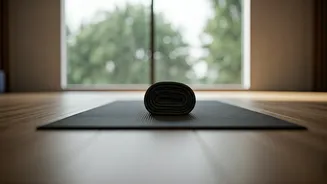
This is where beginner workouts come in. We’re not talking about watered-down versions of extreme plans. We’re talking about a fundamental shift in mindset, from intensity to consistency. A 30-minute daily walk. A simple, home-based yoga practice. Basic bodyweight exercises like squats and lunges. These activities don’t require expensive equipment, specialized trainers, or a high tolerance for pain. They are accessible, scalable, and, most importantly, sustainable. For a person trying to manage their blood sugar or improve cardiovascular health, the long-term benefits of a daily walk far outweigh the short-lived, injury-prone pursuit of an extreme fitness fad they'll abandon in three weeks. The goal should be to build a foundation of movement, not to jump straight to the punishing pinnacle of performance.
Building a Culture of Movement, Not Just Muscle
India doesn’t need more elite gyms. It needs more parks with safe walking paths. It needs more community-led exercise groups. It needs a public health narrative that celebrates a 15-minute stroll as a victory. The fitness industry has a role to play, but its focus must broaden. Instead of just marketing six-pack abs, it could champion foundational strength, mobility, and the simple joy of feeling better in your own body. By de-emphasizing punishing routines and celebrating accessible starting points, we can reframe fitness from an exclusive aspiration into an inclusive, everyday habit. The true measure of a nation’s health isn't the number of its CrossFit boxes, but the number of its citizens who are confidently and consistently moving, no matter how humbly they begin.