

Your Gut Is an Ecosystem, Not a Machine
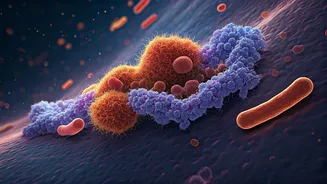
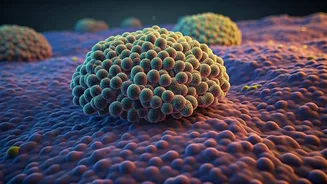
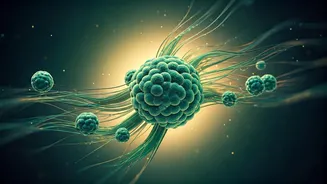
Think of your gut microbiome as a bustling, vibrant rainforest, home to trillions of microorganisms, including bacteria, fungi, and viruses. A healthy rainforest is diverse, with countless species of plants and animals working in harmony. Your gut is no
different. A rich, diverse community of microbes is linked to better digestion, a stronger immune system, and even improved mood. Probiotic capsules typically introduce a few specific, high-dose strains of 'good' bacteria. It's like dropping a handful of parrots into the Amazon. They might be beneficial, but they don't create a thriving ecosystem on their own. Lasting health comes from supporting the entire environment, not just air-dropping a few star players and hoping for the best.
The Real Limits of a Capsule
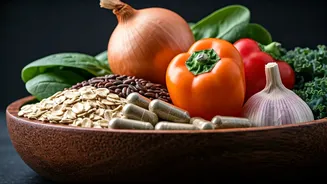
Supplements face a tough journey. First, they have to survive the highly acidic environment of your stomach to even reach your intestines, where they do their work. Not all of them make it. Furthermore, the strains in a pill may not be the specific ones *your* unique gut needs. Without the right food to sustain them, these new arrivals may just be temporary visitors, passing through without ever setting up a permanent colony. This isn’t to say all probiotics are useless. For specific issues or after a course of antibiotics, they can be a targeted tool recommended by a doctor. But viewing them as a daily substitute for a good diet is like trying to build a house with only a hammer. You’re missing the lumber, the nails, and the foundation.
Feed Your Flora with Fiber
This is where the 'variety' from the headline comes in. The most powerful thing you can do for your gut is to feed the good bacteria that are already there. And their favorite food? Fiber. Specifically, prebiotic fiber. Prebiotics are types of fiber that your body can't digest, so they travel to your large intestine to become food for your beneficial microbes. When your gut bacteria feast on prebiotics, they produce compounds called short-chain fatty acids (SCFAs), like butyrate. These compounds are rock stars for your health: they fuel the cells of your colon, reduce inflammation, and strengthen your gut barrier. You won't find these in a probiotic pill. You find them by eating foods like onions, garlic, leeks, asparagus, bananas (especially slightly green ones), oats, and apples.
Eat the Rainbow (Literally)
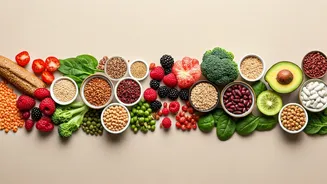
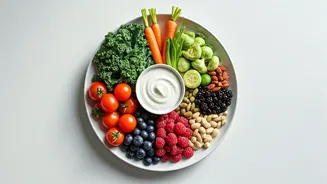
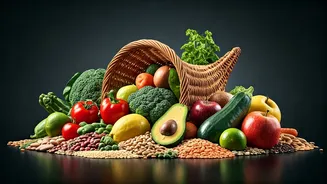
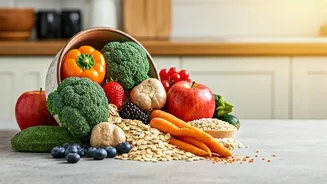
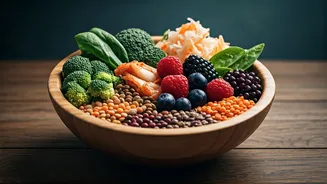
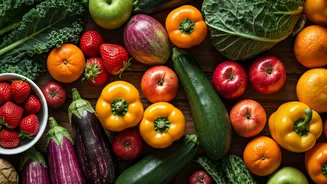
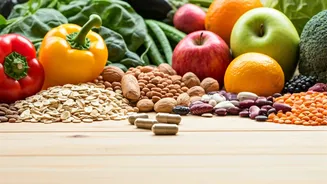
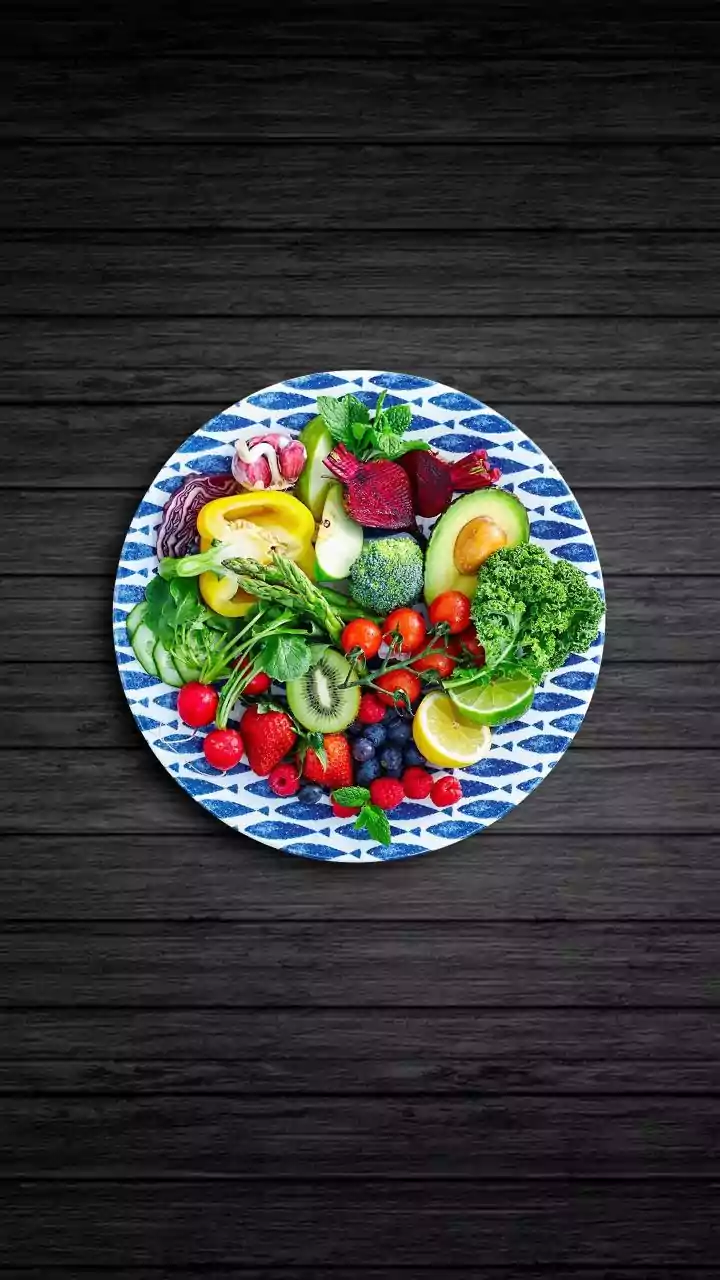
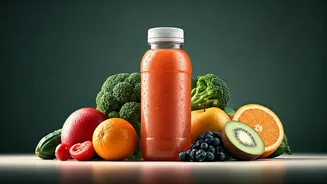
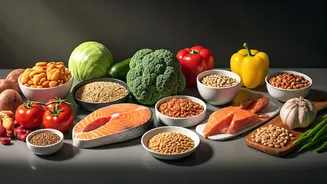
Different microbes like to eat different things. The key to a diverse microbiome is a diverse diet. A landmark study from the American Gut Project found that people who ate more than 30 different types of plant foods per week had a significantly more diverse gut microbiome than those who ate 10 or fewer. Thirty might sound daunting, but it’s easier than you think. It includes fruits, vegetables, whole grains, seeds, nuts, and legumes. A sprinkle of sunflower seeds on your salad, a handful of berries in your oatmeal, or switching from white rice to quinoa all count. Each different plant offers unique fibers and polyphenols—the colorful compounds in plants that act as antioxidants—that feed different beneficial bacteria. So, don't just eat your greens; eat your reds, oranges, purples, and blues, too.
Get Your Probiotics from Fermented Foods
If you want to introduce new beneficial bacteria, food is often the best vehicle. Fermented foods are a natural source of live cultures, and they come with a bonus: the food itself provides nutrients. Yogurt and kefir are classic examples, delivering probiotics alongside calcium and protein. But don't stop there. Sauerkraut and kimchi are packed with different strains and also offer fiber from the cabbage. Miso, tempeh, and kombucha are other fantastic options that bring unique flavors and microbial diversity to your diet. Unlike a supplement, which isolates the bacteria, fermented foods deliver them in a food matrix that can help them survive the journey to your gut.