
More Than Just 'Curry'
For decades, the American experience of Indian food was often limited to a handful of creamy, anglicized dishes served in all-you-can-eat buffets. But a significant shift is underway. The new wave of interest isn't about finding the best chicken tikka
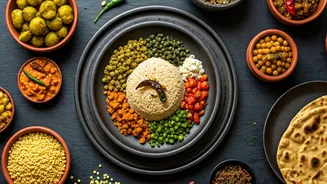
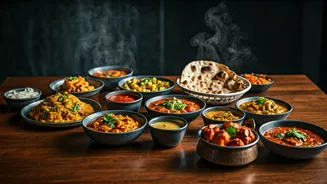
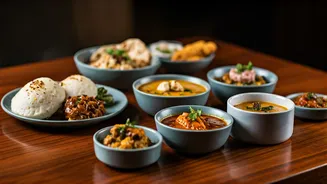
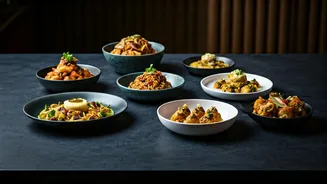
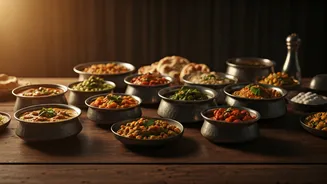
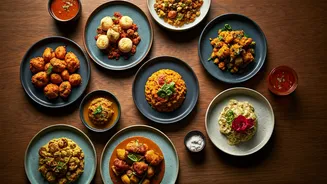
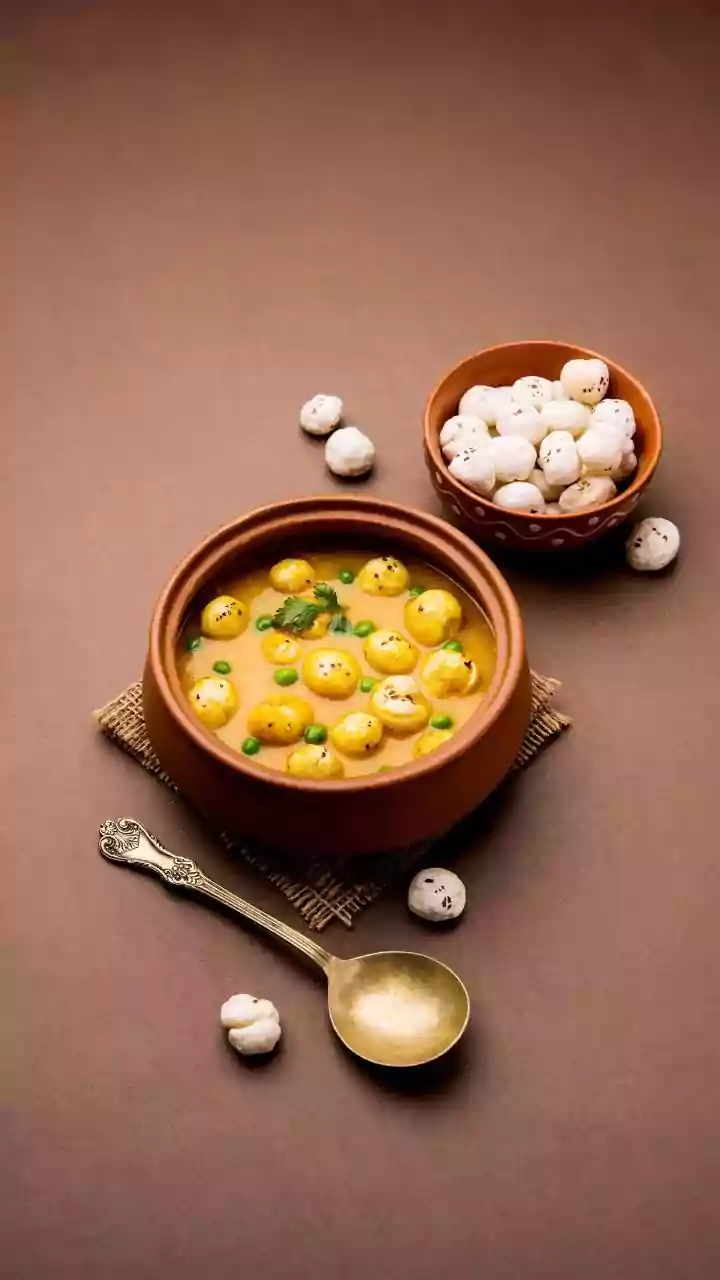
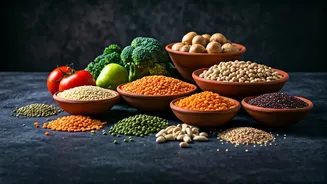
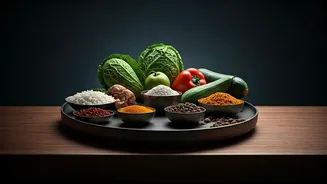
masala; it’s about discovering the deep, nuanced, and regionally specific traditions of Indian home cooking. This isn't food designed for a restaurant menu; it’s the food of family kitchens, passed down through generations. It’s the simple genius of dal (lentils), the complexity of a regional spice blend, and the comfort of perfectly cooked rice. This movement values specificity over generality, celebrating the distinct culinary identities of Kerala, Bengal, Gujarat, and Punjab, rather than lumping them all under a single, monolithic 'Indian food' umbrella.
Wellness, Rebranded and Spiced
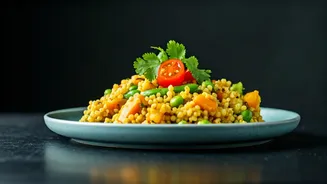
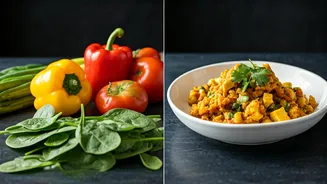
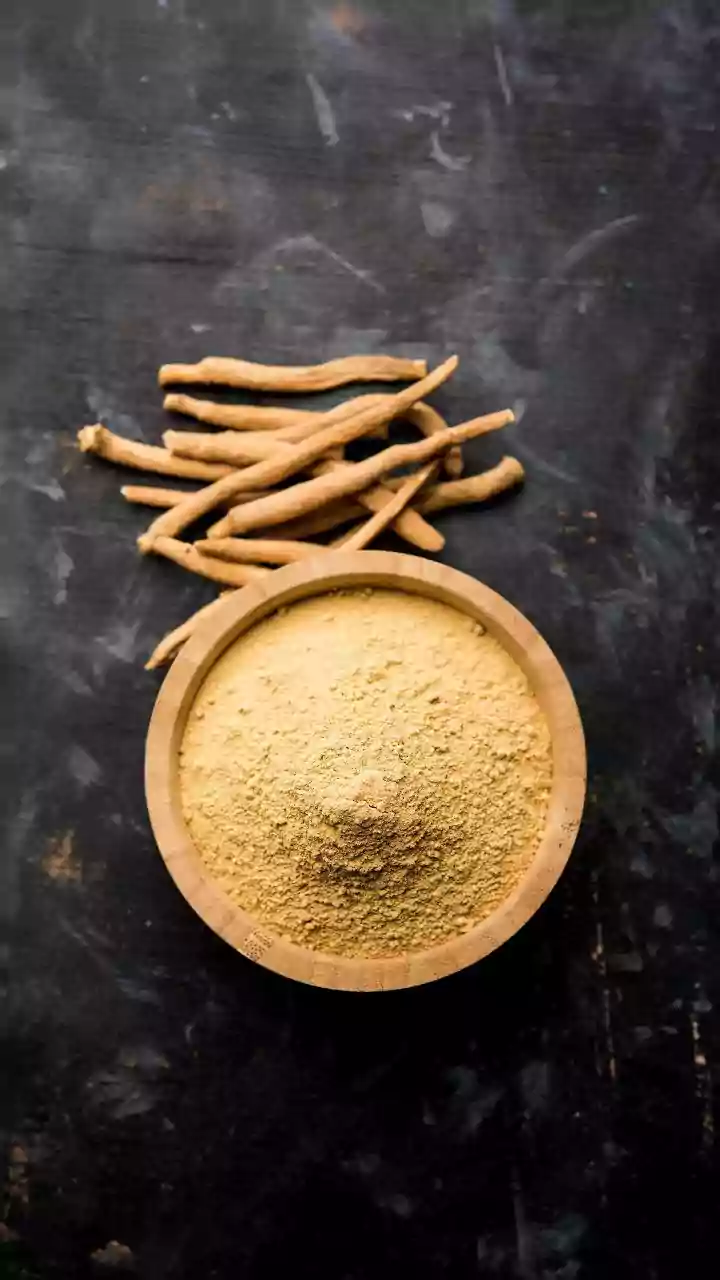
At the heart of this trend is a powerful rebranding of Indian cuisine as a wellness practice. The same turmeric that stains your countertops is now sold as an anti-inflammatory superfood in 'golden milk' lattes. Ghee, a form of clarified butter, has shed its exotic image to become a keto-friendly, high-heat cooking fat celebrated by health influencers. This isn't an accident. It taps directly into the Western wellness world’s fascination with ancient, 'unspoiled' wisdom. Ayurvedic principles, the traditional Indian system of medicine that views food as a primary tool for balancing the body, are being simplified and marketed to a new audience. Suddenly, a bowl of khichdi (a simple rice and lentil porridge) isn't just comfort food; it's a 'detoxifying mono-meal.' Spices like cardamom, cloves, and cinnamon aren't just for flavor; they are potent tools for gut health and vitality.
The New Definition of Luxury
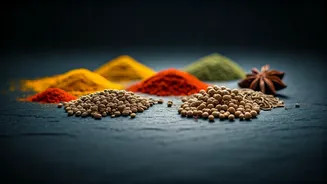
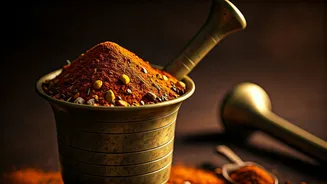
In this new context, 'luxury' has been redefined. It’s not about expensive ingredients like truffles or caviar. The luxury of modern Indian home cooking is about something far more aspirational in our fast-paced culture: time and knowledge. It’s the luxury of slowly tempering spices to release their essential oils, of soaking legumes overnight, of grinding a fresh masala paste instead of using a pre-made powder. It's also the luxury of sourcing. Brands like Diaspora Co. have built a cult following by selling single-origin, heirloom spices from specific farms in India, complete with the harvest date. Paying a premium for fresh, potent turmeric isn't just a culinary choice; it’s a status symbol that signals you are a discerning consumer who values authenticity and ethical sourcing above all.
Authenticity as a Status Symbol
Ultimately, this trend is about the commodification of authenticity. As our lives become more digital and disconnected, there's a powerful yearning for things that feel real, tangible, and rooted in history. Learning to cook a specific dish from a grandmother's recipe, shared by a food writer like Priya Krishna or seen on a niche YouTube channel, provides a sense of connection and mastery. It's a way to participate in a culture, not just consume it. In a world of meal kits and 30-minute recipes, dedicating an afternoon to perfecting a complex biryani becomes a statement. It says you have the time, the cultural capital, and the sophisticated palate to appreciate something that can't be rushed or mass-produced. The food itself is delicious, but the story you get to tell about making it is the real prize.