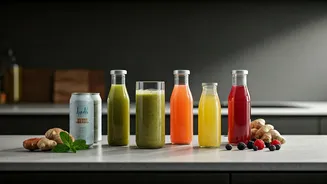








What Exactly Is a Functional Drink?
At its core, a functional beverage is a non-alcoholic drink that includes ingredients intended to provide a specific health or performance benefit beyond simple hydration. Think of it as a beverage with a job to do. While sports drinks like Gatorade were
early pioneers, today’s market has exploded with sophistication and specificity. These drinks are often infused with a cocktail of buzz-worthy ingredients: nootropics like L-theanine for focus, adaptogens like ashwagandha for stress relief, probiotics and prebiotics for gut health, or botanicals like chamomile and valerian root for relaxation. They position themselves not just as a treat, but as a tool for optimizing your day—a shortcut to feeling better, sharper, or calmer, all in one convenient can.
The 'Why' Behind the Boom
So, why are so many of us swapping our second coffee or evening beer for a can of mushroom-infused calm? The trend is fueled by several powerful cultural currents. First is the broader wellness movement, which has shifted focus from reactive medicine to proactive self-care. Consumers are more educated about ingredients and actively seek ways to enhance their physical and mental well-being. Second, there's a growing 'sober curious' movement and a general move away from high-sugar, high-caffeine options. Functional drinks offer a sophisticated alternative, providing a ritual and complex flavor profile without the downsides of alcohol or a caffeine crash. Finally, there's the simple appeal of convenience. In our hustle culture, the idea of drinking your supplements—getting your daily dose of calm or clarity without swallowing a pill—is incredibly compelling.
A Drink for Every Mood
The functional beverage market is highly segmented, with products designed for nearly every moment of the day. The morning might start with a can of 'brain food' from a brand like Recess or Magic Mind, designed to provide clean energy and focus for the workday. Mid-afternoon slumps are targeted by drinks containing ginseng or green tea extract. For post-workout recovery, you might find beverages with turmeric and tart cherry to combat inflammation. And as evening approaches, the 'unwind' category takes over. Brands like Kin Euphorics or Hiyo offer complex, non-alcoholic drinks designed to mimic the social ritual of a cocktail, using adaptogens and botanicals to promote relaxation instead of intoxication. There are even entire lines, like Olipop and Poppi, built around prebiotics to support a healthy gut microbiome, turning a can of 'soda' into a digestive aid.
Hype, Health, and a Dose of Skepticism
While the marketing is slick and the promises are alluring, it's wise to approach the functional beverage aisle with a critical eye. Many of the health claims made on the cans are not evaluated or approved by the Food and Drug Administration (FDA), as these products often fall into the loosely regulated category of dietary supplements. The effectiveness of ingredients like adaptogens and nootropics can vary widely, and the dose included in a single drink may not be enough to produce a significant therapeutic effect. Furthermore, many of these beverages still contain added sugars or artificial sweeteners. The key is to be an informed consumer. Look past the flashy branding, read the nutrition label and ingredient list, and manage your expectations. A can of 'calm' might be a pleasant part of your unwinding ritual, but it's not a substitute for genuine stress management or medical advice.