


A City Painted in History
To understand Jaipur's unique appeal, you have to look back to its creation. Founded in 1727 by the visionary Maharaja Sawai Jai Singh II, it was one of India's first planned cities, a grid of wide avenues and organized markets that defied the organic
chaos of older settlements. Its most famous characteristic, the iconic terracotta pink that washes over the Old City's buildings, was a grand gesture of hospitality for a visit by the Prince of Wales in 1876. This act cemented its identity as the “Pink City.” For centuries, Jaipur was the capital of a powerful princely state, a hub of art, astronomy, and architecture under the patronage of the Kachwaha Rajput rulers. This legacy isn't confined to museums; it’s etched into the very stones of the city, from the intricate facade of the Hawa Mahal to the sprawling courtyards of the City Palace.
From Historic Haveli to Boutique Bliss
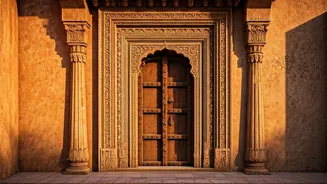
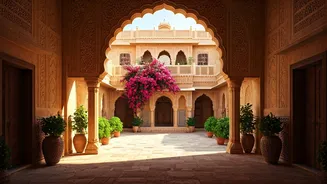
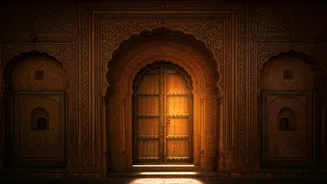
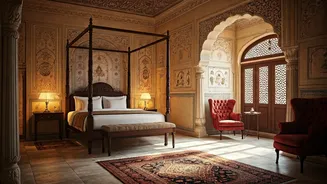
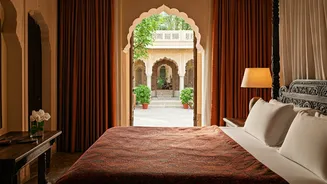
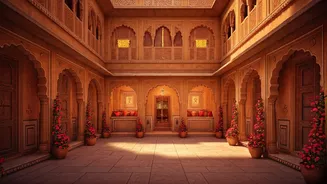
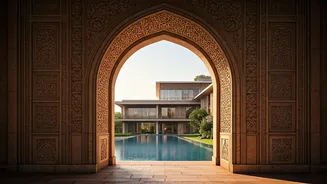
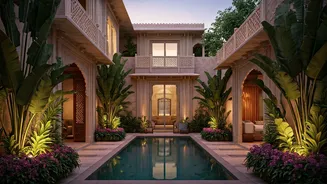
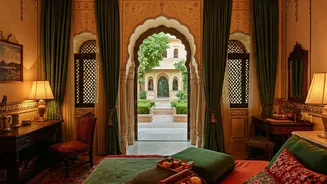
For years, experiencing this history as a traveler meant staying in large, often impersonal hotels. But a quiet revolution has transformed the city’s hospitality landscape. The new heart of Jaipur's luxury experience lies in its *havelis*—the traditional, often ornate townhouses of nobles and wealthy merchants. Once at risk of falling into disrepair, many have been painstakingly restored and converted into exquisite private villas and boutique hotels. The magic is in the fusion. An 18th-century carved stone archway might lead to a room with minimalist linen furniture and a state-of-the-art entertainment system. A traditional central courtyard, designed for natural air circulation, now often features a serene, modern plunge pool. These spaces allow guests to live within the walls of history, not just look at them, offering an intimacy and authenticity that a conventional hotel cannot match. You feel the coolness of hundred-year-old marble underfoot while scrolling through your phone on high-speed Wi-Fi.
The New Wave of Architectural Homage
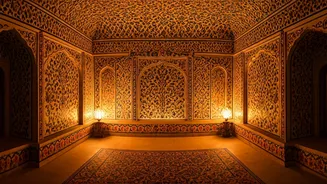
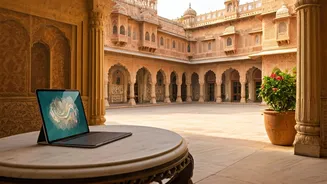
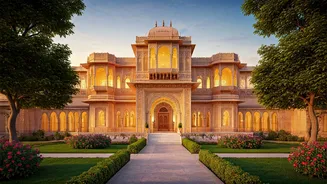
The trend extends beyond mere restoration. A new generation of luxury villas is being built from the ground up, designed as a deliberate homage to Rajasthani tradition. These aren't historical theme parks; they are sophisticated works of modern architecture that speak the local design language fluently. Architects are employing traditional techniques and materials—the lustrous local stone, the intricate *jali* (latticed screen) work, and the classic domed *chhatris* (pavilions)—but integrating them into contemporary, light-filled spaces with open floor plans and expansive glass walls. The result is a property that feels deeply rooted in its location while offering the clean lines, spaciousness, and seamless indoor-outdoor living that modern luxury travelers demand. It’s a testament to the fact that Jaipur's heritage is a living, breathing source of inspiration, not a static relic.
Living the Heritage, Not Just Visiting
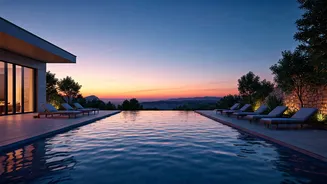
This unique blend of old and new fundamentally changes the nature of a visit. Staying in a private villa, whether a restored haveli or a modern homage, shifts the experience from tourism to immersion. Your day isn’t dictated by tour bus schedules. It might start with a private yoga session on a rooftop overlooking the Aravalli Hills and end with a Rajasthani cooking class with a personal chef in your own courtyard kitchen. Instead of a sterile hotel lobby, you have a private, serene space to retreat to after a day exploring the city's vibrant, chaotic bazaars. It’s the difference between observing a culture from the outside and feeling, for a short while, like you are a part of its continuing story. You can explore the grandeur of Amber Fort by day and return to your own quiet kingdom for a gin and tonic by the pool as dusk settles over the Pink City.