


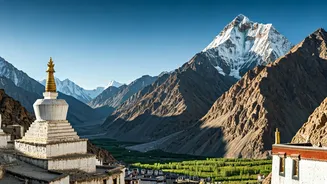
A Monastery in the Sky
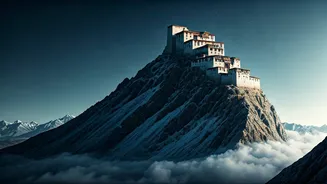
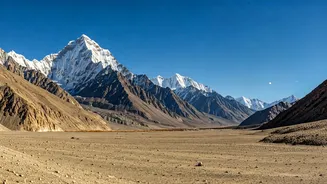
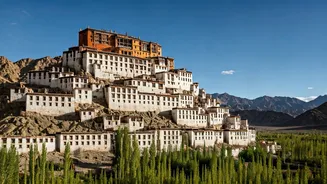
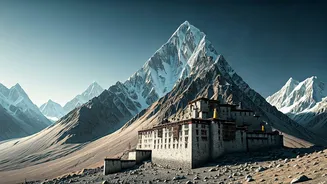
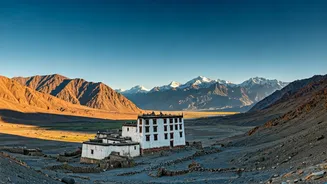
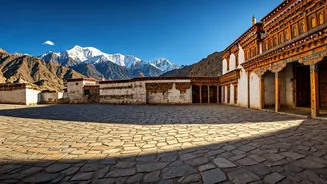
Tucked away in a gorge in Ladakh, a region often called “Little Tibet,” Hemis Gompa is the largest and wealthiest monastery in this high-altitude desert. Founded in the 17th century, it belongs to the Drukpa Lineage of Tibetan Buddhism. For most of the year,
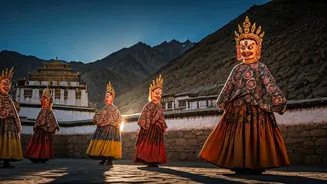
it’s a place of quiet contemplation, its prayer flags whispering in the wind. But for two days each summer, this serene sanctuary transforms into the epicenter of a vibrant ritual that draws devotees and travelers from across the globe. The monastery’s sprawling courtyard, framed by whitewashed walls and intricately carved wooden balconies, becomes an open-air stage for a spiritual drama that has been performed for centuries.
The Legend Behind the Festival
At its heart, the Hemis Tsechu (the festival’s formal name) celebrates the birth of Guru Padmasambhava, also known as Guru Rinpoche. He is the 8th-century master credited with establishing Buddhism in Tibet, taming local deities and demons to do so. The festival is more than a birthday party; it’s a living retelling of his mission. Each dance, each mask, and each note of music serves to reinforce the core teaching: the triumph of good over evil and the power of compassion to subdue the forces of chaos. The event is scheduled according to the Tibetan lunar calendar, typically falling in June or July, and its purpose is deeply spiritual: to bring blessings, protection, and spiritual merit to all who witness it.
The Dance of Gods and Demons
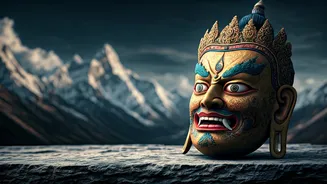
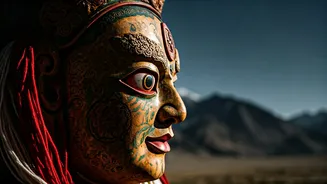
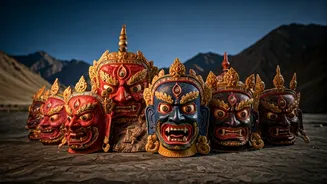
The main event is the series of ritual masked dances, known as *chaam*. Monks, trained for years in the precise, meditative movements, emerge from the monastery’s main temple dressed in magnificent costumes of shimmering silk brocade. But it’s the masks that steal the show. Large, expressive, and often terrifying, they represent a pantheon of Buddhist deities, protectors, and demons. Some masks depict serene, enlightened beings, while others portray wrathful figures with bared fangs and bulging eyes, meant not to frighten but to symbolize the powerful forces that protect the dharma (the cosmic law and order). The dances are slow and deliberate, a form of moving meditation. As the dancers circle the courtyard’s central flagpole, they enact the story of Padmasambhava’s victory, their every step and gesture laden with symbolic meaning.
A Symphony for the Senses
The visual spectacle is matched by an equally powerful auditory one. The rhythm of the *chaam* is set by a monastic orchestra. The deep, guttural blast of the *dungchen* (long horns), the clash of cymbals, and the steady, hypnotic beat of large drums create a soundscape that feels both otherworldly and deeply grounding. It’s a sound that reverberates not just in the ears, but through your entire body. Around the courtyard, local Ladakhi families gather in their finest traditional dress, their turquoise-studded headdresses adding another layer of color to the scene. The air is thick with the scent of juniper incense and the murmur of prayers, creating an atmosphere that is simultaneously a solemn religious rite and a joyous community fair.
The Once-in-a-Generation Unveiling
While the annual festival is a masterpiece in itself, an even greater spectacle occurs only once every 12 years, corresponding to the Monkey Year in the Tibetan calendar. On this special occasion, a gigantic silk tapestry, or *thangka*, depicting Guru Padmasambhava is unrolled down the side of the monastery. This sacred artifact, several stories high and embroidered with pearls and semi-precious stones, is displayed for only a few hours at dawn. Seeing it is considered an event of immense spiritual significance, a rare blessing believed to cleanse the soul and plant the seed for enlightenment. The next unveiling is a highly anticipated event, a reminder of the deep cycles of time that govern life in this mountain kingdom.