

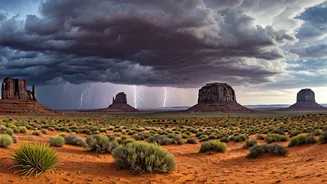

More Than Just Watching Rain
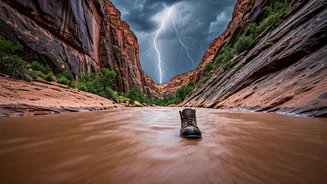
For generations, the summer monsoon in the American Southwest was something to be endured—a season of flash floods, humidity, and canceled plans. But in recent years, a growing number of travelers and hospitality brands have flipped the script. Instead
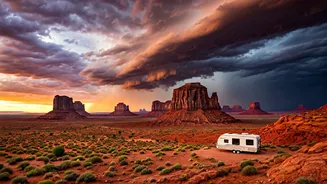
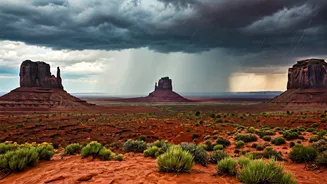
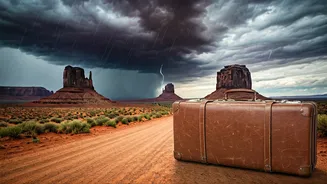
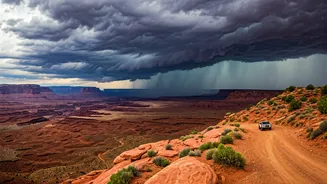
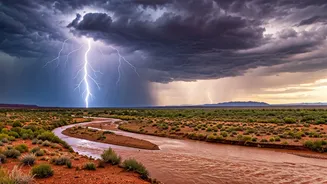
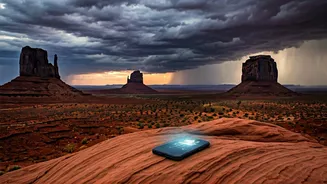
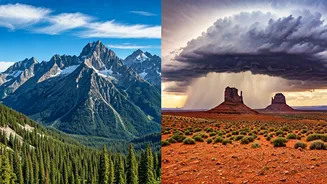
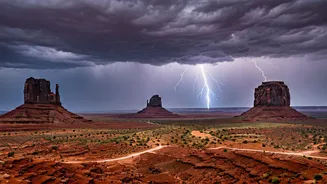
of avoiding the storms that roll into Arizona, New Mexico, and parts of Utah and Colorado from July through September, they are embracing them. The monsoon is no longer an inconvenience; it’s the main attraction. This isn’t about storm chasing in the Tornado Alley sense. It’s a more refined, curated version of weather tourism, focused on the unique atmospheric drama of the desert. The appeal lies in the multi-sensory experience: the spectacular lightning shows, the percussive sound of rain on a tin roof, and the iconic, earthy scent of creosote bushes after a downpour, a smell so beloved it has its own name—petrichor.
The Rise of Storm-Ready Hospitality
Resorts and hotels across the region have been quick to recognize the commercial potential of their most dramatic season. What was once a slower period for tourism is now being marketed with packages and amenities designed to enhance the monsoon experience. Properties in Scottsdale, Tucson, and Santa Fe now boast of their “storm-viewing” rooms with floor-to-ceiling windows, private balconies, and deep soaking tubs perfectly positioned for watching the sky come alive. At the bar, you’re less likely to find a generic margarita and more likely to see a “Monsoon Mojito” or a “Desert Tempest” cocktail, crafted specifically for the season. Some high-end resorts offer on-site meteorologists who give daily briefings, turning the impending weather into a topic of sophisticated conversation. Spas have followed suit, incorporating the scents and sensations of the season into treatments, offering rain-themed aromatherapy and services designed to foster a sense of cozy sanctuary while the storm rages outside.
What a Monsoon Weekend Looks Like
A typical monsoon-focused weekend is a study in contrasts. A traveler might start the day with an early morning hike or a round of golf, taking advantage of the clearer, cooler air that often follows an overnight storm. By early afternoon, the trip's rhythm begins to shift in anticipation of the weather. As immense cumulonimbus clouds build on the horizon, guests retreat to the pool or a shaded patio, cocktail in hand, to watch the performance begin. The storm itself, often arriving with theatrical suddenness in the late afternoon or evening, becomes the centerpiece event. It's a time for quiet contemplation from a covered terrace or lively conversation in a hotel lobby designed to frame the view. Dinner reservations are made with the knowledge that the main event might be happening outside the restaurant window. The experience is about surrendering to the schedule of the sky, embracing a slower pace and finding luxury in the raw power of nature.
Beyond the Resort Balcony
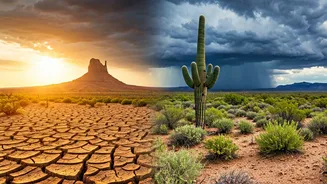
While many are content to watch the show from a comfortable perch, a more adventurous subset of monsoon travel is also emerging. Specialized local guides offer photography workshops dedicated to capturing the perfect lightning strike against a backdrop of saguaro cacti. These small-group tours teach the technical skills needed for storm photography and provide safe access to prime viewing locations that would be difficult for a casual visitor to find. For others, the experience is about the landscape's transformation. Guided nature walks focus on the desert bloom that follows the rains, when dormant wildflowers and grasses burst into life, carpeting the desert floor in unexpected color. It’s a chance to see a typically arid environment at its most vibrant and alive, reinforcing the idea that the monsoon isn’t a destructive force, but a life-giving one.