

The Gut Microbiome Goes Global
The secret to this newfound respect lies in our gut. Over the past decade, research into the gut microbiome—the trillions of microorganisms living in our digestive tracts—has exploded. Scientists have linked a healthy, diverse microbiome to everything
from improved digestion and a stronger immune system to better mental health. This has sent researchers on a global hunt for foods that nurture these beneficial microbes.While yogurt has long been recognized for its probiotic power, the scientific community is now looking beyond the obvious. They’re exploring traditional foodways from around the world to understand how different cultures have been cultivating gut-friendly foods for centuries, long before the term “probiotic” ever existed. This search has led them to the kitchens of India, where fermentation is not a trend, but a cornerstone of cooking.
Ancient Wisdom, Modern Validation
In India, fermentation was traditionally a matter of practicality and flavor. It was a way to preserve vegetables in a hot climate, make grains more digestible, and create complex, tangy flavors that are central to regional cuisines. For generations, practices like soaking lentils and rice overnight were passed down not with scientific language, but with the simple instruction that “this is how it’s done.”Today, science provides the “why” behind the “how.” That overnight soak isn’t just for softening; it’s a crucial fermentation step. Wild yeasts and bacteria present in the air and on the ingredients get to work, breaking down anti-nutrients like phytic acid. This process, known as lacto-fermentation, not only pre-digests the food, making it easier on our stomachs, but it also unlocks vitamins and minerals, increasing the bioavailability of nutrients like iron, B vitamins, and calcium. What was once grandmotherly wisdom is now being validated in peer-reviewed journals.
Dosa and Idli: Sourdough of the South
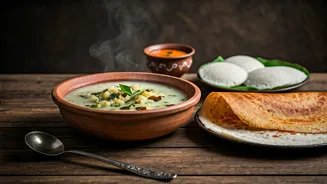
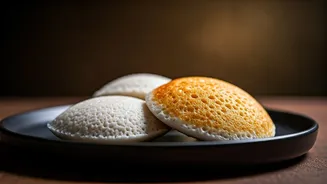
Perhaps the most famous examples are dosa (a thin, crispy crepe) and idli (a soft, steamed cake). Both are made from a batter of fermented rice and lentils, a staple across Southern India. The fermentation process is what gives the batter its characteristic sour tang and light, airy texture. But more importantly, it transforms a simple mixture of grains into a nutritional powerhouse.The live cultures in the batter act as natural probiotics, feeding the good bacteria in your gut. By breaking down the complex carbohydrates and proteins in the lentils and rice, fermentation makes them significantly easier to digest. It’s a complete, protein-rich food that’s gluten-free, vegan, and packed with benefits—a perfect illustration of how traditional foods can be inherently functional.
Dhokla, Kanji, and Beyond
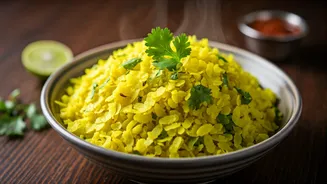
The world of Indian ferments extends far beyond rice and lentils. In the western state of Gujarat, you’ll find dhokla, a spongy, savory cake made from fermented chickpea flour batter. The process is similar to that of idli, resulting in a light, easily digestible, and protein-rich snack. Then there’s kanji, a pungent, fermented drink popular in the north, especially during the festival of Holi. It’s typically made by fermenting carrots (and sometimes beetroots) in water with mustard seeds and salt. The result is a probiotic-rich beverage, a savory cousin to kombucha, that’s celebrated for its digestive properties.From fermented pickles (achar) that use salt and time instead of vinegar, to rice-based porridges and tribal beverages, nearly every region in India has its own unique ferment. Each one represents a different microbial terroir, offering a diverse array of beneficial bacteria and yeasts that contribute to a resilient gut ecosystem.