

Conquer the High-Altitude Desert of Ladakh
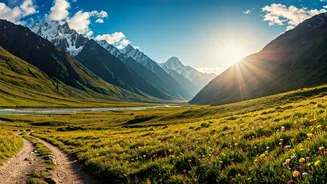
Known as “Little Tibet,” Ladakh is a moonscape of stark mountains, turquoise lakes, and ancient Buddhist monasteries clinging to cliffsides. Accessible by road only from late May to October when the snow-covered passes open, summer is prime time. This
isn’t a casual getaway; it’s an expedition into one of the world's highest and most remote inhabited regions. Imagine driving over the Khardung La pass, once claimed as the world's highest motorable road, or watching monks perform morning prayers at Thiksey Monastery. Stargazing in the Nubra Valley, with zero light pollution, is an almost spiritual experience. Specialized tours and accommodations in this high-demand region get booked months in advance, especially for travel in June and July. Flights into Leh, the capital, also fill up quickly, so securing your spot now is essential for a seamless journey.
Trek Through the Valley of Flowers
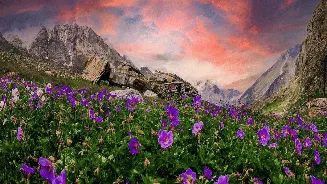
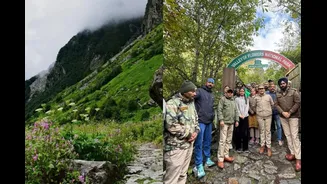
For a brief window, from June to September, a remote valley in the state of Uttarakhand transforms into a real-life fairy tale. The Valley of Flowers National Park, a UNESCO World Heritage site, bursts into a carpet of over 300 species of alpine flowers, creating a breathtaking floral mosaic against a backdrop of snow-capped peaks. This is not a roadside attraction; reaching it requires a multi-day trek, beginning from the small village of Govindghat. The journey itself is part of the magic, taking you through lush forests and alongside rushing rivers. Because the park is only open for a few months and access is regulated to preserve its fragile ecosystem, permits and guides are in high demand. If you want to witness this ephemeral wonder, you need to lock in your trekking company and itinerary well before summer begins.
Embark on a Spiti Valley Road Trip
If Ladakh feels too mainstream, Spiti Valley is its wilder, more rugged cousin. A cold desert mountain valley in Himachal Pradesh, Spiti offers a raw, unfiltered Himalayan experience. Life here is tough, and the landscape is even tougher—barren, dramatic, and hauntingly beautiful. A road trip through Spiti is a true adventure, involving precarious roads, high passes like Kunzum La, and stays in simple homestays in villages that seem frozen in time. You can visit Key Monastery, which looks like a fortress out of a fantasy novel, or send a postcard from the world's highest post office in Hikkim. Like Ladakh, the routes into Spiti are only open during summer. Arranging a reliable vehicle, a skilled driver, and permits for this challenging terrain is a task best done far in advance.
Ride the Rapids in Rishikesh
While Rishikesh is famous as the “Yoga Capital of the World,” it has another, more adrenaline-fueled identity. In the months leading up to the monsoon (April to early June), the Ganges River offers some of India's best whitewater rafting. This is the sweet spot: the water levels are high from melting snow but haven’t yet become the dangerously turbulent torrent of the monsoon season. You can tackle rapids with names like “The Wall” and “Roller Coaster” and then camp on a sandy river beach under the stars. It’s a perfect blend of thrill and tranquility. Rafting operators are plentiful, but the best and safest ones with prime campsites get fully booked for the peak pre-monsoon weekends. Waiting until the last minute might leave you with less reputable options or no spots at all.
Experience the Pre-Monsoon Magic of Sikkim
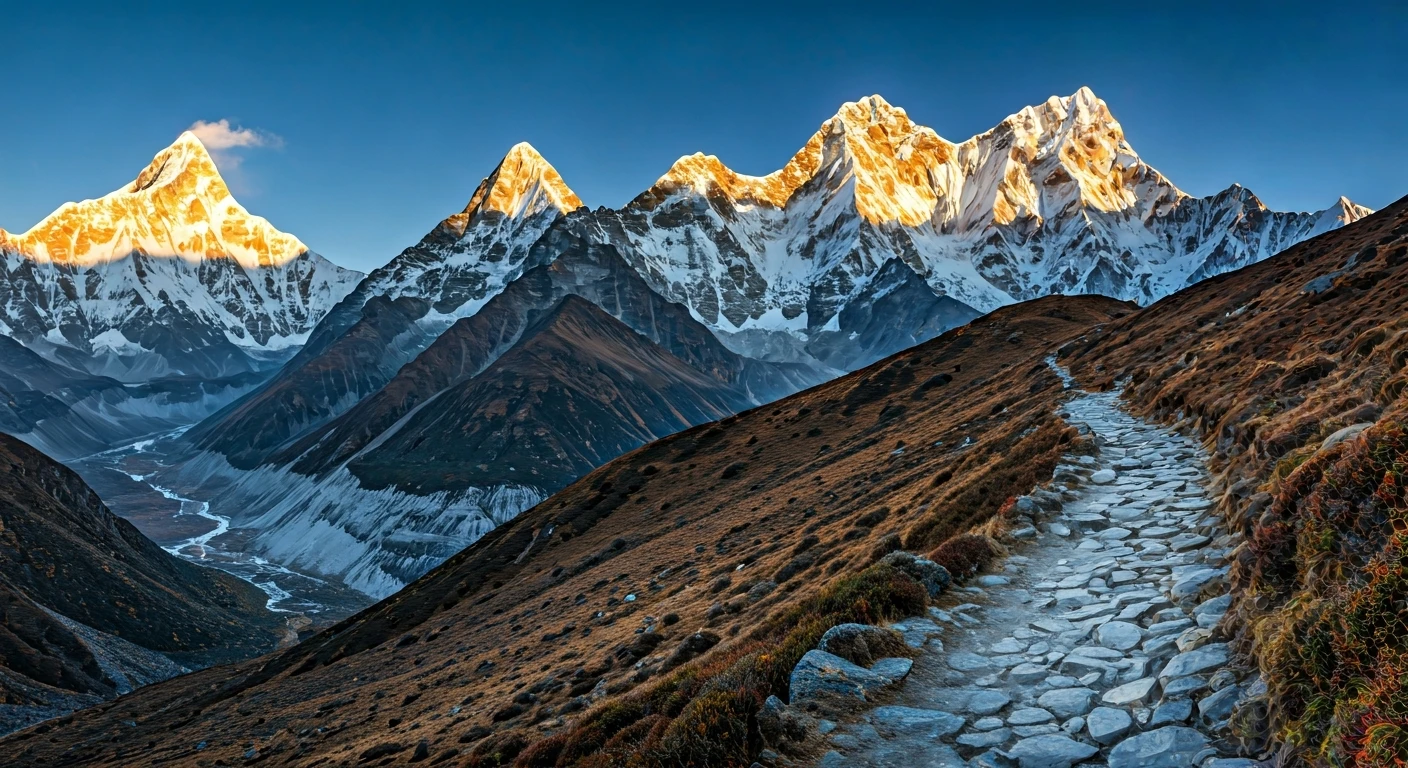
Tucked away in the eastern Himalayas, bordering Bhutan and Nepal, Sikkim is a land of towering peaks, vibrant rhododendron forests, and a unique blend of Tibetan and Nepalese cultures. Summer, before the heavy monsoon rains set in around late June, is an ideal time to visit. The weather is pleasant, and the views of Kangchenjunga, the world's third-highest mountain, are often crystal clear. This is a paradise for trekkers, with trails like the Goecha La trek offering unparalleled mountain vistas. You can explore the serene monasteries of Gangtok and Rumtek or drive the winding roads to the high-altitude Gurudongmar Lake. Because of its sensitive border location, permits are required for many parts of Sikkim, especially for international travelers. These need to be arranged by a registered local tour agency, making advance booking not just a good idea, but a necessity.