




First, What Are These “Worms” Anyway?
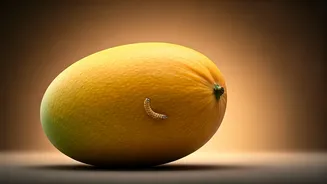
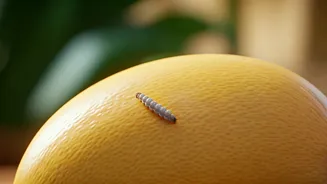
Let’s get the unpleasantries out of the way. Those horrifying little squirmers aren't technically worms. They are the larvae—or maggots—of fruit flies. Specifically, pests like the tephritid fruit fly are notorious for targeting mangoes. The fly uses
a needle-like appendage to puncture the fruit's skin and lay its eggs inside. Once hatched, the larvae feast on the sweet pulp, growing until they are ready to emerge. It’s a completely natural, if deeply unappetizing, part of the insect life cycle. While finding one is a visceral, gut-wrenching experience for any fruit lover, it’s important to know you’re not dealing with some new, monstrous parasite. You’re dealing with a very old problem: bugs like fruit, too. The real question is, how often does this actually happen to the fruit that makes it to our kitchens?
Is My Grocery Store Selling Bug-Filled Fruit?
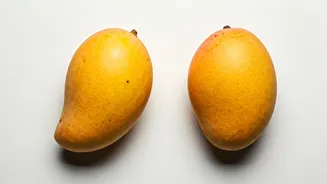
The short answer is: almost certainly not, at least not intentionally. The mangoes you see stacked in a pristine pyramid at your local supermarket have gone through a rigorous journey. The USDA and border protection agencies have stringent protocols, including inspections and sometimes hot water or irradiation treatments for imported fruit, specifically to prevent agricultural pests like the fruit fly from entering the country and infesting local crops. The fruit that makes it to store shelves is typically the highest grade, selected for its unblemished appearance. A tiny puncture mark from a fruit fly is exactly the kind of defect that gets a mango rejected long before you ever see it. Most viral videos of this phenomenon feature mangoes that are either homegrown, sourced from less regulated markets, or have been sitting for too long, allowing a previously undetected issue to mature. While it’s not impossible for one to slip through, it is exceedingly rare in the commercial U.S. food supply chain.
Okay, But What About My Bottled Juice?
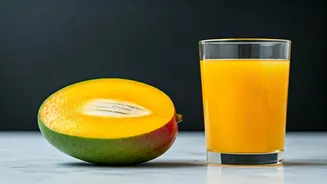
This is where your “blind trust” can be restored, albeit with a bit more information. The journey from a whole mango to the juice in your carton is a harsh one that no larva could survive. Commercial juice production is a high-volume, industrialized process. Fruit is typically washed in powerful sprays, sorted, peeled, and then pulverized. Most importantly, nearly all commercial juices are pasteurized—heated to a high temperature to kill off any bacteria, yeast, or other unwelcome microscopic guests. This process, designed for food safety and shelf stability, would instantly obliterate any potential larvae. So, while the thought of “wormy mangoes” is ruining the *idea* of your morning smoothie, the reality is that your commercially bottled juice is one of the safest products you can consume. The system is designed precisely to eliminate these kinds of natural imperfections on a massive scale.
How to Choose a Perfect, Pest-Free Mango
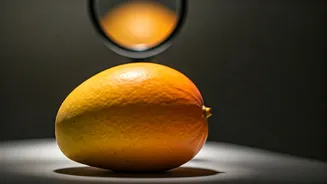
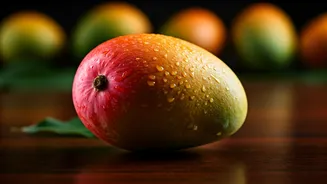
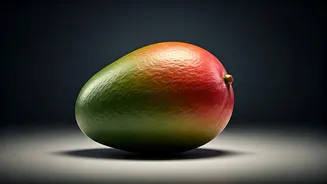
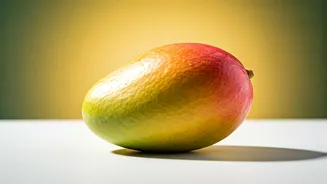
If you’re still feeling wary and want to be a more empowered mango shopper, there are a few things you can do. First, inspect the skin. Look for any tiny, discolored pinpricks, bruises, or soft spots, which could be signs of entry points or decay. A healthy mango should have smooth, unbroken skin. Gently squeeze the fruit; it should have a slight give, like a ripe peach, but shouldn't feel mushy or overly soft. You can also give it a sniff near the stem—a ripe mango should have a sweet, fragrant aroma. There’s an old myth about floating mangoes in water (floaters are bad, sinkers are good), but its effectiveness is debatable. Your best bet is a simple, hands-on inspection. And if you do happen to bring home a mango that looks fine on the outside, slice it with confidence but keep your eyes open. If you find something you don’t like, simply discard it and remember that it was a rare fluke, not the new normal.