




The End of 'Go Hard or Go Home'
For decades, the American fitness ethos was simple: push harder. We celebrated grueling workouts, early mornings, and pushing through the pain. Rest was for the weak. But a fundamental shift is underway. Walk into any modern gym or scroll through a fitness influencer’s
feed, and you’ll see as much emphasis on the cooldown as the workout itself. This is the new era of recovery-focused fitness, a movement that treats rest and repair not as an afterthought, but as a crucial pillar of health and performance. It’s more than just stretching after a run. This trend encompasses a vast ecosystem of tools, technologies, and dedicated spaces designed to help your body bounce back faster, reduce soreness, and prevent injury. It reframes recovery from a passive activity (i.e., sitting on the couch) to a proactive strategy involving everything from percussive massage guns to futuristic-looking cryotherapy chambers.
From Elite Locker Rooms to Your Living Room
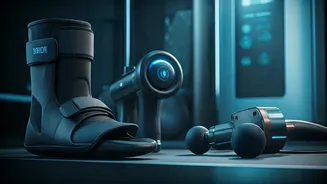
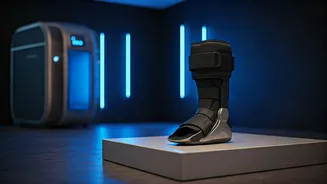
Like many fitness trends, dedicated recovery began in the world of professional sports. For years, elite athletes have used advanced therapies to gain a competitive edge, minimize downtime, and extend their careers. Teams invested heavily in ice baths, physical therapists, and proprietary recovery systems. What’s changed is the democratization of these tools. Brands like Theragun and Hyperice brought percussive therapy, once the domain of trainers, into the mainstream with sleek, user-friendly massage guns. Pneumatic compression boots from companies like NormaTec, which look like something out of a sci-fi movie, are now available for home use. This accessibility has been fueled by technology and culture. As prices dropped and social media showcased top athletes (and celebrities) using these gadgets, the aspirational became attainable. The message was clear: if recovery is essential for LeBron James, maybe it should be for you, too.
Why Now? The Cultural Shift Toward Self-Care
The boom in recovery isn't just about better tech; it's a response to a broader cultural burnout. In a world that feels constantly 'on,' people are actively seeking ways to care for their bodies and minds. The pandemic, in particular, accelerated this, forcing many to re-evaluate their relationship with health, stress, and high-intensity living. The home became a sanctuary, and investments in personal wellness—from Pelotons to massage guns—skyrocketed. Furthermore, exercise science has become more mainstream. The average gym-goer now has a better understanding of concepts like DOMS (Delayed Onset Muscle Soreness) and the importance of the central nervous system in performance. We understand that muscles grow and strengthen during rest, not during the workout itself. This collective increase in fitness IQ has created a receptive audience for a more holistic, sustainable approach to physical activity. It’s a move away from chasing aesthetics at all costs and toward longevity and feeling good in your own skin.
The Modern Recovery Toolkit
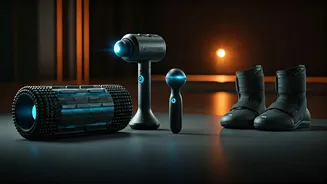
So what does this new world of recovery look like in practice? It’s a mix of high-tech and low-tech solutions. Percussive massagers are perhaps the most visible part of the trend, designed to release muscle knots and improve blood flow. Infrared saunas and contrast therapy (alternating between hot and cold) are popping up in boutique studios, promising reduced inflammation and relaxation. Dedicated stretching studios, like StretchLab and Stretch*d, offer assisted stretching sessions that target mobility and flexibility in ways that are difficult to achieve on your own. Even something as simple as foam rolling has evolved from a niche practice for runners into a standard part of millions of people’s routines. Each of these tools targets a different aspect of recovery, from muscular repair to mental decompression.