







1. Treat Your Scalp Like Your Skin
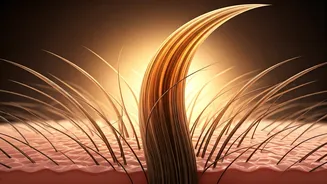
Dermatologists often say your scalp is an extension of your facial skin, and it deserves the same level of care. Healthy hair growth begins with a healthy scalp environment. Product buildup, oil, and dead skin cells can clog follicles, potentially impeding
growth and causing dullness. Experts recommend focusing shampoo directly on the scalp, using the pads of your fingers—not your nails—to gently massage and cleanse. Just as you exfoliate your face, a gentle scalp scrub or a shampoo with salicylic acid used once a week can help remove buildup and promote a clean foundation for your hair to thrive. A clean, balanced scalp is the literal root of hair health.
2. Wash Smarter, Not More Often
The age-old question of how often to wash your hair doesn't have a single answer, but experts agree that overwashing can be detrimental. Washing too frequently, especially with harsh sulfate-based shampoos, can strip the hair and scalp of natural oils (sebum) that keep them moisturized and protected. This can lead to dry, brittle strands and even prompt your scalp to overproduce oil to compensate. Trichologists suggest washing based on your hair type and lifestyle. If you have an oily scalp, you may need to wash daily or every other day. If you have dry or coarse hair, you might go two to three days or more. When you do wash, use lukewarm water—hot water can strip oils, while cold water may not effectively rinse out product.
3. Feed Your Hair from the Inside Out
Topical products can only do so much; strong, resilient hair is built from within. Hair is primarily made of a protein called keratin, so ensuring you have adequate protein in your diet is crucial. Foods like eggs, lean meats, fish, and legumes are excellent sources. Beyond protein, several key nutrients are vital for follicle health. Iron deficiency is a common cause of hair shedding, so include iron-rich foods like spinach, lentils, and red meat. Biotin (found in nuts, seeds, and eggs) and Omega-3 fatty acids (found in salmon, walnuts, and flaxseed) also contribute to hair strength and shine. A balanced diet rich in vitamins and minerals is your first line of defense against weak and lackluster hair.
4. Handle with Care, Especially When Wet
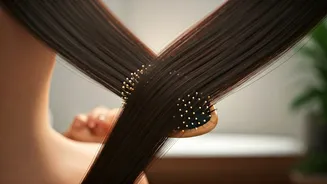
Hair is at its most vulnerable when it's wet. The hair shaft swells, and the protective cuticle layer lifts, making it prone to stretching and snapping. This is why aggressive towel-drying is one of the biggest culprits of frizz and breakage. Instead of rubbing your hair with a rough cotton towel, gently squeeze out excess water with a soft microfiber towel or an old cotton T-shirt. When it comes to detangling, a wide-tooth comb is your best friend for wet hair. Start from the ends and work your way up to the roots to gently remove knots without yanking or causing breakage. A brush, especially a bristle brush, is often too harsh for fragile, wet strands.
5. Turn Down the Heat
High heat from blow dryers, flat irons, and curling wands is a primary cause of hair damage. It can degrade the hair's protein structure, crack the cuticle, and sap moisture, leading to split ends and a straw-like texture. Whenever possible, let your hair air-dry. When you must use heat, hairstylists and dermatologists universally recommend applying a heat protectant spray first. This creates a barrier between your hair and the tool, distributing heat more evenly and reducing damage. Furthermore, you don't always need the highest temperature setting. Use the lowest heat that still allows you to achieve your desired style, and try to limit direct heat styling to two or three times a week at most.
6. Choose Your Products Wisely
The haircare aisle can be overwhelming, but understanding your hair type is the key to navigating it. Is your hair fine, coarse, oily, dry, or color-treated? Choose products formulated for your specific needs. For dry, damaged hair, look for conditioners and masks with hydrating ingredients like glycerin, hyaluronic acid, and ceramides. If you have fine hair, heavy oils and creams might weigh it down, so opt for lightweight volumizing formulas. While sulfates are effective cleansers, they can be too stripping for those with dry or sensitive scalps. Considering a sulfate-free shampoo can be a gentler alternative. It’s less about brand names and more about matching the right ingredients to your hair’s unique biology.