


The Humble Origins of a Comfort Classic
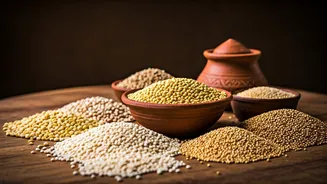
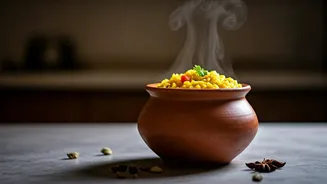
For hundreds of millions across the Indian subcontinent, khichdi is the ultimate comfort food. It’s a simple, one-pot dish of rice and lentils, often simmered until they break down into a soft, savory porridge. Seasoned with a touch of turmeric and ghee,
it's the food you eat when you’re feeling under the weather, the first solid food for babies, and a reliable, nourishing meal for any day of the week. Its identity is rooted in simplicity, accessibility, and restoration. Traditionally, khichdi is decidedly un-fancy, celebrated not for its complexity but for its wholesome, soothing nature. It's the culinary equivalent of a warm hug—dependable, gentle, and deeply familiar.
An Unlikely, Decadent Makeover
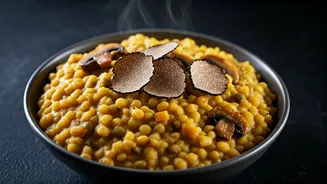
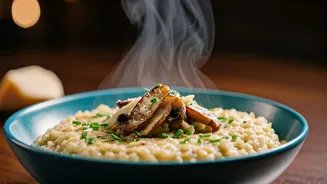
The dish currently lighting up social media feeds is a world away from that humble bowl. Enter Parmesan Mushroom Truffle Khichdi. The transformation begins with the texture, which is often creamier and more risotto-like than its traditional counterpart. Instead of simple ghee, chefs are emulsifying butter and sharp, salty Parmigiano-Reggiano into the mix, lending an intense umami depth that is distinctly Italian. Sautéed wild mushrooms, like cremini or porcini, add a meaty, earthy bite. The final, and most crucial, element is the truffle. A drizzle of high-quality truffle oil or, for a truly luxurious version, a few shavings of fresh black truffle, infuses the entire dish with its famously pungent, intoxicating aroma. The result is a stunning fusion: the comforting soul of khichdi dressed in the opulent attire of modern fine dining.
The Pop-Up As a Culinary Laboratory
So why is this dish thriving in the world of pop-ups instead of on standard restaurant menus? The pop-up model provides the perfect incubator for this kind of high-wire culinary act. With lower overhead and less risk than a brick-and-mortar establishment, chefs can use pop-ups to experiment with daring, creative ideas that might be too niche for a permanent menu. These temporary dining events create a sense of urgency and exclusivity. Getting a seat often requires following a chef on Instagram and acting fast when reservations drop. This built-in scarcity generates organic buzz, turning a unique dish into a coveted, “if you know, you know” experience. The fleeting nature of pop-ups makes each meal feel like a special event, and a photogenic, surprising dish like truffle khichdi is practically designed to be shared online, fueling its viral ascent.
A Story of Third-Culture Cuisine
This trend is about more than just a clever mash-up of ingredients. It represents a powerful evolution in immigrant cuisine in America. For years, chefs from non-Western backgrounds were often expected to cook “authentic” food, a narrow and often static definition imposed by diners. Today, a new generation of Indian-American and South Asian diaspora chefs is confidently breaking those rules. They are using their culinary heritage not as a rigid set of instructions but as a foundation for personal expression. By combining the flavors of their upbringing with the techniques and ingredients of their global culinary training, they are telling a new story—one that reflects their own 'third-culture' identity. This truffle khichdi isn’t an attempt to “elevate” Indian food by making it more European; it’s an assertion that these flavors belong in the same conversation, on the same plate, creating something entirely new and personal.