


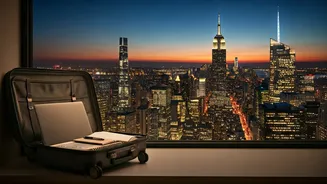


The Rise of the 'Slow-mad'
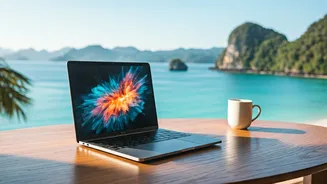
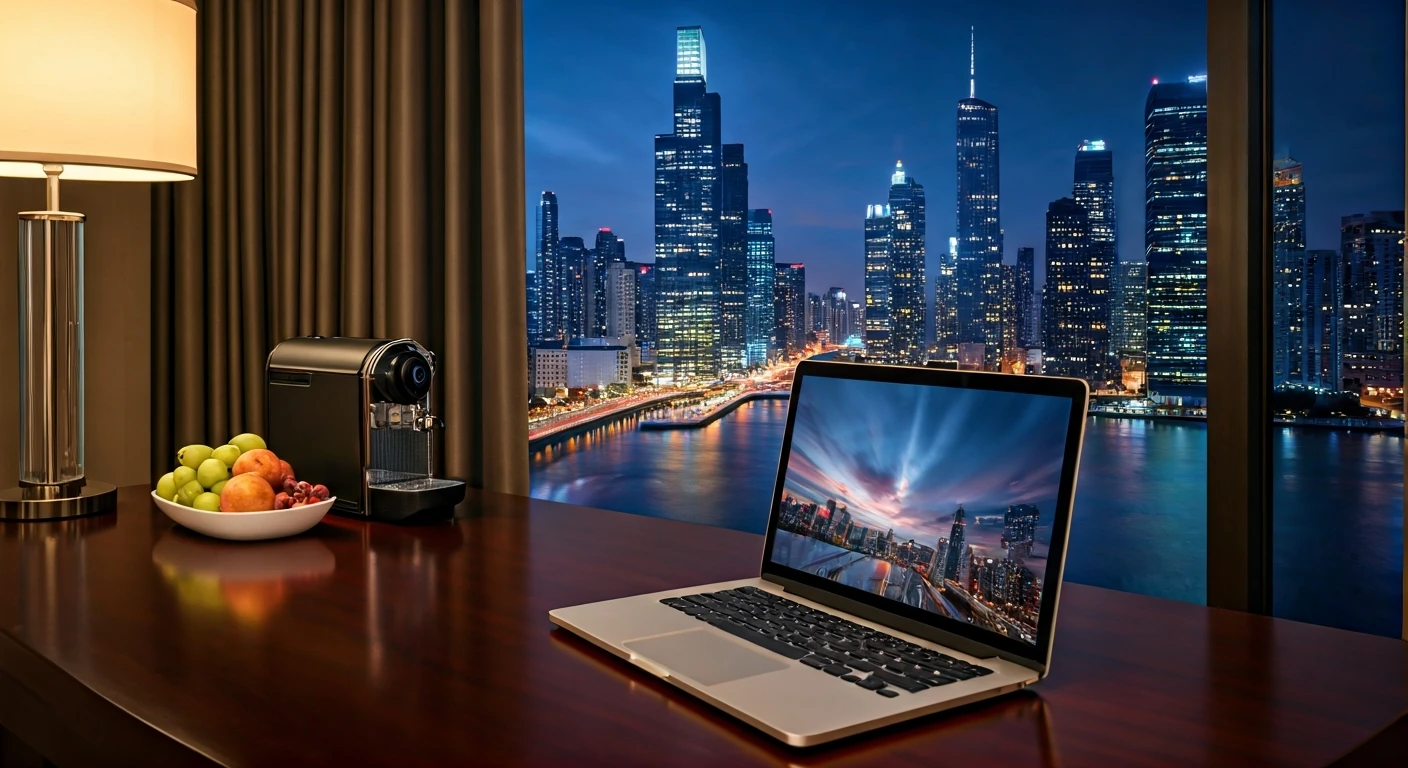
Forget the frantic, two-week sprint through Europe. The new aspiration for many remote workers is something different: a one-month stay in Lisbon, two months in Mexico City, or a season exploring a national park out west. This isn't the traditional digital
nomad lifestyle, which often involves constant movement. Instead, it’s a slower, more immersive form of travel where work remains a daily constant. Travel industry platforms have seen this shift firsthand. Airbnb, for example, has reported that long-term stays of 28 days or more have become one of its fastest-growing categories since 2020. This new hybrid traveler—part employee, part tourist, part temporary local—is what you might call a 'slow-mad.' They aren't abandoning their careers; they're just relocating their workspace for a month or three at a time, seeking a change of pace and scenery without sacrificing their paycheck.
More Than Just a Better Zoom Background
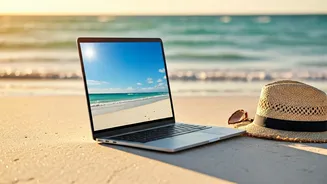
The appeal goes far beyond swapping a drab home office for a sun-drenched balcony. Proponents say long-stay travel combats the burnout and monotony that can set in with remote work, even in the comfort of one's own home. A new city, culture, and routine can spark creativity and provide a powerful psychological reset. Living somewhere for a month instead of just visiting for a weekend allows for deeper cultural immersion—finding the best local coffee shop, learning a few phrases, and feeling a sense of community, however temporary. For many, this model offers a more sustainable work-life integration. Rather than compartmentalizing life into 'work' and 'vacation,' it blends them. The workday might end with a walk through historic streets or a weekend hike in an unfamiliar landscape, providing a richness that a standard 50-week work year simply can't match.
The Fine Print of Freedom
Of course, this 'freedom' comes with its own set of challenges. The most immediate hurdle is the job itself. While many companies have embraced remote work, not all are comfortable with their employees working from different states, let alone different countries. Tax implications, cybersecurity concerns, and legal requirements can create significant headaches for HR departments. Many companies are still developing formal 'work-from-anywhere' policies, leaving employees in a gray area. Then there are the practicalities for the worker. Reliable, high-speed internet is non-negotiable. Time zone differences can mean early morning or late-night meetings, chipping away at the idyllic vision. And the very act of bringing your work with you means the escape is never total. The temptation to check email on a Saturday or to work longer hours to 'earn' the privilege of being there is a real risk, potentially leading to a new form of burnout where the lines between work and leisure completely dissolve.
Is the Office Escape Dead?
Perhaps the biggest change is philosophical. The concept of the 'office escape' was built on the premise that the office was a place one needed to flee from. The goal of a vacation was to disconnect entirely to recharge for the return to a demanding environment. Long-stay travel reframes this relationship. It suggests that if work is flexible enough, you don't need to escape *from* it, but rather integrate it into a life you actively enjoy. It shifts the focus from short bursts of freedom to a sustained state of flexibility. This represents a fundamental challenge to traditional corporate culture, which has long equated physical presence with productivity and commitment. As more workers seek this blend of life and labor, companies face a choice: adapt to this new expectation or risk losing talent to competitors who will.