



Okra: The Garden's Heat-Loving Star
If you've struggled with plants that wilt and fade in the peak of summer, meet okra. This Southern staple doesn't just tolerate the heat; it thrives in it. June is the ideal month for planting okra across most of the U.S. because the soil has finally
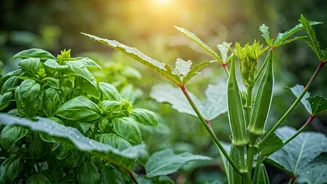
warmed up enough for its seeds to germinate successfully. Okra demands two things: at least six to eight hours of direct sunlight and well-drained soil. You can sow seeds directly into your garden beds or raised containers, planting them about half an inch deep and spacing them 12 to 18 inches apart. Once the seedlings sprout, thin them to the strongest ones to ensure they have enough room to flourish. While it’s a low-maintenance vegetable, consistent watering, especially during dry spells, will ensure a more productive plant. Don't be surprised when you see its beautiful, hibiscus-like flowers appear; they're a gorgeous bonus before the pods arrive.
The Secret to Tender Okra Pods
The number one mistake new okra growers make is waiting too long to harvest. Those woody, tough pods you sometimes find at the grocery store are a result of being left on the plant for too long. The secret to delicious, tender okra is to harvest it when it's young and small. Start checking your plants daily once they begin producing. The ideal size is just two to four inches long. Use a sharp knife or pruning shears to snip the pod from the main stalk, leaving a small piece of the stem attached. Harvesting frequently—every other day is a good rhythm—sends a signal to the plant to produce even more pods. A word of caution: many okra varieties have small spines on their leaves and pods that can irritate the skin. It’s wise to wear gloves and a long-sleeved shirt when you go out to harvest.
Basil: The Fragrant King of Herbs
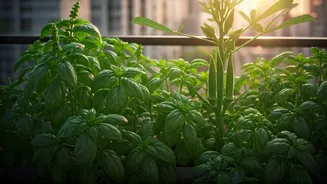
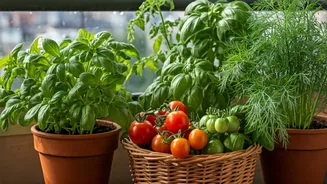
No summer kitchen is complete without the sweet, peppery scent of fresh basil. Like okra, basil is a warm-weather crop that sulks in the cold but explodes with growth once summer arrives. June provides the perfect conditions to plant basil from small starter plants or to sow seeds directly in the garden. Whether you choose classic Genovese for pesto, Thai basil for stir-fries, or purple basil for a pop of color in salads, the rules are the same. Give it a spot with plenty of morning sun (some afternoon shade is welcome in the hottest climates) and rich, well-draining soil. Basil also grows exceptionally well in containers on a sunny porch or patio, making it accessible to any gardener. Keep the soil consistently moist but not waterlogged, as basil is prone to root rot in soggy conditions. Its intoxicating fragrance does more than please the cook; it can also help repel pests from nearby plants, like tomatoes.
How to Pinch Your Way to More Basil
To get a full, bushy basil plant instead of a tall, leggy one, you need to be a ruthless (but strategic) harvester. The key is to “pinch” it back regularly. Once your plant has a few sets of leaves, locate the top central shoot. Using your fingers or small shears, snip the stem right above the point where a pair of leaves branches out. This simple act encourages the plant to send out two new stems from that spot, effectively doubling its growth. Continue doing this on all the main stems throughout the summer. This not only promotes a bushier plant but also prevents it from flowering. Once basil produces flowers, its energy shifts from leaf production to seed production, and the leaves can develop a bitter taste. By pinching it back, you ensure a steady supply of sweet, tender leaves all season long.
From Garden to Plate: A Tasty Duo
Okra and basil are not just excellent June planting companions; they are fantastic partners in the kitchen. Their peak harvest times overlap, providing a perfect opportunity for fresh, seasonal meals. Imagine grilling whole, young okra pods tossed in olive oil until they're slightly charred and tender, then finishing them with a chiffonade of fresh basil and a squeeze of lemon. Or, slice the okra into rounds, sauté it with cherry tomatoes and garlic, and stir in a generous handful of basil at the end for a simple, vibrant side dish. For a more substantial meal, add both to a summer vegetable stew or a shrimp-and-sausage gumbo. The crisp texture of quickly cooked okra pairs beautifully with the aromatic sweetness of basil, creating a flavor combination that tastes exactly like summer.