








More Than a Pandemic Trend
For decades, traveling with a pet was a logistical puzzle reserved for the most dedicated owners. It meant navigating a patchwork of restrictive hotel policies, confusing airline rules, and the constant worry of leaving a beloved animal in cargo. But
a fundamental shift has occurred. Fueled by the 'pet humanization' trend—where owners view their animals as integral family members—and accelerated by the pandemic-era pet adoption boom, a multi-billion-dollar industry has blossomed to meet a new demand: travel that includes, and even centers on, pets. The American Pet Products Association reports that a significant majority of pet owners consider their pets to be part of the family. This emotional bond translates directly into spending and lifestyle choices. For millions of Americans, a vacation isn't complete if the whole family can't come along, and that now emphatically includes those with four legs.
The Hospitality Industry Rolls Out the Red Carpet
Hotels, once a major barrier to pet travel, are now one of its biggest enablers. Major chains and boutique properties alike have recognized the value of the pet-owning traveler. Brands like Kimpton have been famously pet-friendly for years, with no extra fees or size restrictions. Now, others are catching up and innovating. It's increasingly common to find hotels offering dedicated pet packages that include plush dog beds, custom food bowls, and even curated 'yappy hour' menus. Some luxury locations provide pet-walking services, in-room pet massages, and lists of nearby dog-friendly parks and restaurants. This isn't just a gimmick; it’s a calculated business strategy. By welcoming pets, hotels tap into a loyal and often affluent demographic willing to pay a premium for convenience and inclusivity. Travel booking sites have taken note, with 'pet-friendly' becoming one of the most-used search filters, signaling a permanent change in traveler expectations.
Navigating the Skies (With Some Turbulence)
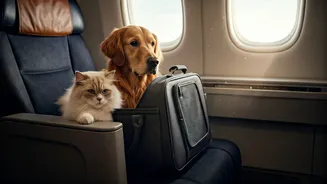
While hotels have adapted with open arms, air travel remains the most complex part of the pet-travel equation. The experience can vary dramatically by airline. The days of simply showing up with a carrier are gone, replaced by a maze of breed restrictions, weight limits, carrier size requirements, and hefty fees. The distinction between a pet in-cabin, checked baggage, and cargo is a crucial one, with different costs and risks. Despite the hurdles, the demand has forced airlines to evolve. The rise of semi-private carriers like JSX, which allows dogs of certain sizes to sit in the cabin with their owners, points to a premium market that is tired of the commercial airline gauntlet. For most travelers, however, the key is meticulous planning—booking pet spots far in advance, securing veterinary health certificates, and understanding that a ticket for Fido can sometimes cost more than a human one.
An Entire Ecosystem Built on Paws
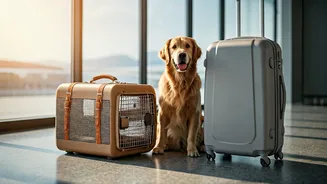
The mainstreaming of pet travel is best understood by looking at the vast support system that has emerged around it. It's not just about flights and hotels. A whole economy now caters to the pet on the go. Companies design and sell TSA-compliant carriers, portable water bowls, and calming anxiety vests for nervous flyers. Pet-sitting apps like Rover and Wag offer services not just at home but at vacation destinations. Specialized travel agencies now exist solely to plan complex international relocations or luxury pet-centric holidays. Even rental car companies are adjusting, with some offering more flexible policies on pet transport. This ecosystem signals that pet travel is no longer a niche hobby; it’s a mature consumer market, driven by the powerful emotional and financial investment Americans are making in their animals.