


A Living Piece of Art
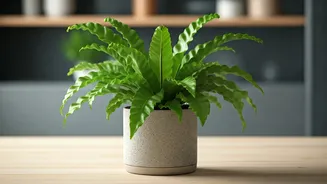
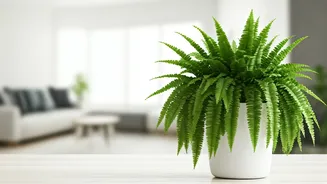
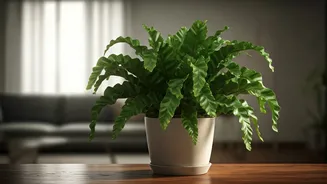
The elegance of the Bird's Nest Fern (Asplenium nidus) lies in its unique structure. Unlike the delicate, feathery fronds of many other ferns, this plant produces a rosette of wide, lance-shaped leaves that are often wavy or crinkled along the edges.
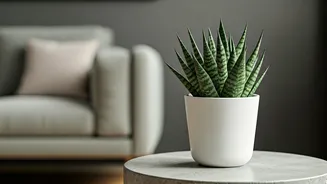
These vibrant, apple-green fronds unfurl from a central, fuzzy “nest,” giving the plant its charming name. The effect is architectural and modern, yet soft and natural. Whether you choose a classic variety with smooth edges or a cultivar like 'Crispy Wave' with more pronounced ripples, the Bird's Nest Fern has a sculptural quality that allows it to stand alone as a decorative object. Its undivided fronds create a bold, clean look that complements a wide range of interior styles, from minimalist to bohemian.
Peace of Mind for Pet Owners and Parents
The headline's claim of “absolute safety” is one of the plant's most compelling features. For households with curious cats, dogs, or small children, the fear of accidental ingestion of a toxic plant is very real. Many popular houseplants, such as lilies, philodendrons, and pothos, can cause reactions ranging from mild irritation to severe illness. The Bird's Nest Fern, however, is consistently listed as non-toxic by leading authorities, including the ASPCA. This means that if a wandering toddler touches it or a playful kitten nibbles on a leaf, you don’t have to panic. This worry-free status elevates the Bird's Nest Fern from just another pretty plant to a truly smart choice for creating a green, vibrant, and safe home environment.
Surprisingly Simple Care Needs
While some ferns have a reputation for being fussy, the Bird's Nest Fern is refreshingly straightforward, making it suitable for beginners. Its needs mimic its natural habitat on the floor of tropical rainforests. It thrives in medium to low indirect light, making it perfect for rooms that don't get blasted with direct sun. A north- or east-facing window is ideal. Avoid direct sunlight, which can scorch its beautiful leaves. For watering, the key is to keep the soil consistently moist but not waterlogged. Allow the top inch of soil to dry out before watering again. One crucial tip: water the soil around the base of the plant, not directly into the central “nest,” as this can trap moisture and lead to rot.
Thriving on Humidity
The one thing a Bird's Nest Fern truly craves is humidity. In a typical dry American home, especially during winter when the heat is on, you may need to give it a boost. The easiest way to do this is to place it in a naturally humid room, like a bathroom with a shower or a kitchen. If that’s not an option, you can place the pot on a pebble tray filled with water (ensuring the pot sits on the pebbles, not in the water) or use a small room humidifier nearby. Regular misting a few times a week can also help. Brown, crispy leaf edges are a telltale sign that your fern is begging for more moisture in the air.
Styling Your Fern at Home
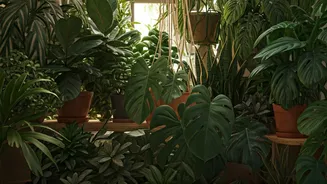
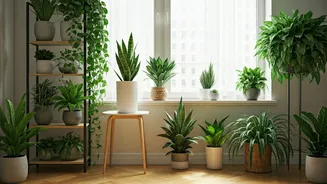
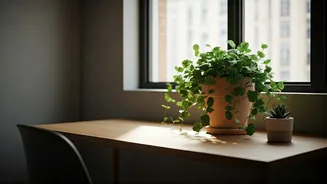
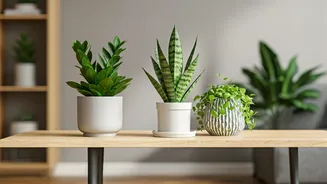
Thanks to its adaptable light needs and striking appearance, the Bird's Nest Fern is incredibly versatile. It makes an excellent centerpiece on a dining table or a focal point on a mantle where direct sun isn't an issue. Its love for humidity makes it a perfect candidate for adding a touch of spa-like luxury to a bathroom vanity. Grouped with other low-light, non-toxic plants like Calatheas or Prayer Plants, it can help create a lush indoor jungle. In a simple ceramic or terracotta pot, its architectural form stands out, making it an easy way to add a sophisticated touch of green to a bookshelf, desk, or empty corner that needs a little life.