





The Power of Pockets
The foundation of utility fashion is the humble pocket—but elevated. This isn't about resurrecting the bulky cargo pants of the early 2000s. Modern utility design is about smart, streamlined storage that reduces your reliance on a backpack or purse for
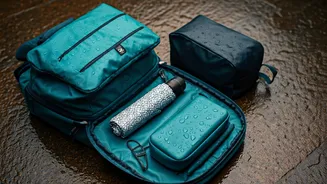
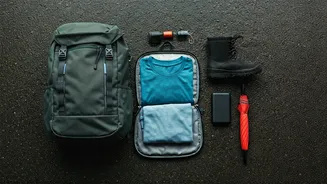
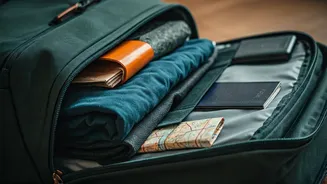
every little thing. Think of your outfit as your personal carry-on. Look for travel jackets with hidden interior zip pockets, perfect for securing a passport, phone, and wallet. Trousers made from technical fabrics often feature discreet zippered thigh or back pockets that lie flat when empty but are deep enough for essentials. Even a simple overshirt can become a workhorse if it has well-placed chest pockets. By strategically distributing your items across your person, you eliminate that frantic, bag-digging panic at the TSA checkpoint or boarding gate. Your boarding pass, ID, and earbuds are exactly where you need them, when you need them, bringing a sense of calm and control to high-stress moments.
Fabrics That Work For You
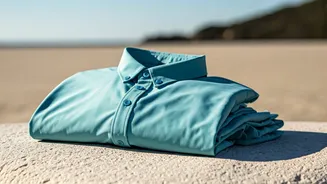
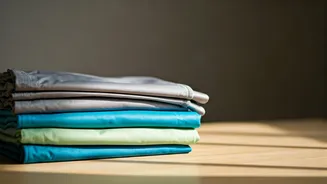
A key element of travel chaos comes from physical discomfort. Being sticky and sweaty after a sprint to your gate, shivering on a frigid airplane, or arriving with a suitcase full of wrinkled clothes all add to your mental load. Utility fashion prioritizes performance fabrics that actively combat these problems. Materials like merino wool are a travel superstar: they’re naturally temperature-regulating (warm in the cold, breathable in the heat), moisture-wicking, and astonishingly odor-resistant, meaning you can wear a shirt multiple times before it needs a wash. Other key players include nylon and polyester blends that are lightweight, quick-drying, and wrinkle-resistant. A pair of pants made from a technical stretch fabric won’t just be comfortable on a long-haul flight; they’ll also look crisp after being rolled up in your suitcase and will dry overnight if you need to wash them in a hotel sink. Choosing fabrics that perform means you pack less, worry less, and feel more comfortable from door to door.
Versatility is the Goal
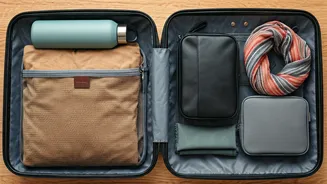
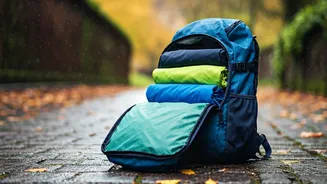
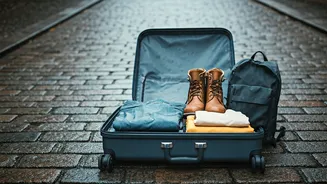
A chaotic trip is often the result of overpacking—lugging around heavy bags filled with “just-in-case” items you never use. Utility fashion champions versatility, encouraging a minimalist mindset where every piece earns its place. The goal is to select items that can serve multiple purposes. A well-designed, water-resistant trench coat or field jacket in a neutral color looks sharp enough for a city dinner but is practical enough to handle an unexpected rainstorm. Convertible pants that zip off into shorts may sound overly technical, but modern designs are far more stylish and can be invaluable on trips with fluctuating temperatures. Even footwear fits this mold: brands now specialize in shoes that combine the all-day walking comfort of a sneaker with a sleek, minimalist design that doesn’t look out of place at a casual restaurant. By packing fewer, more versatile items, you lighten your load, simplify your morning decisions, and gain the flexibility to adapt to whatever your trip throws at you.
The Strategic Art of Layering
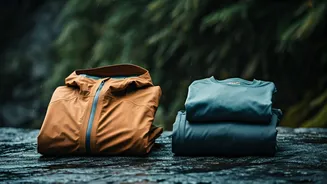
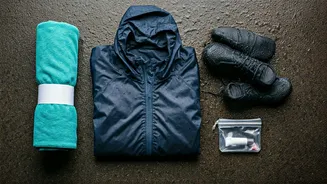
Weather is one of the biggest variables in travel. Packing a single, bulky coat for a destination with unpredictable weather is often a mistake. It’s heavy, takes up huge amounts of suitcase space, and is useless if the temperature rises. The utility approach favors a system of thin, efficient layers. This typically involves three core components: a base layer (like a merino wool or synthetic t-shirt), a mid-layer for insulation (like a fleece or a packable down vest), and an outer shell for wind and rain protection (like a lightweight, waterproof jacket). Each piece is light and takes up minimal space, but when combined, they offer more warmth and protection than a single heavy coat. This system gives you the power to fine-tune your comfort on the fly. Freezing on the plane? Add the vest. Drizzly but warm? Wear just the shell. This adaptability is the ultimate defense against the chaos of changing environments.