


The Truth About 'Fresh' Produce
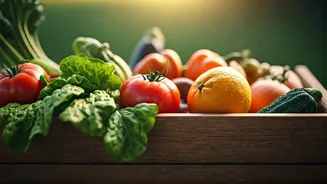
We associate summer with an abundance of fresh, healthy produce, from farmers' market stalls overflowing with leafy greens to grocery store pyramids of gleaming melons. But "fresh" and "raw" also mean these ingredients haven't been cooked to kill off
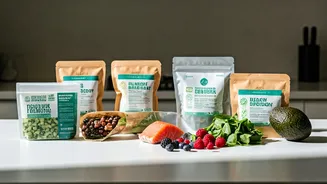
potential pathogens. Leafy greens like romaine lettuce and spinach can be contaminated with E. coli or Listeria in the field or during processing. Berries, with their delicate, textured surfaces, are notoriously difficult to clean and can harbor bacteria and viruses like norovirus. Even fruits with a thick rind, like cantaloupe, pose a risk. Bacteria on the outside of the melon can be transferred to the flesh by a knife during slicing. According to the CDC, contaminated produce is a leading cause of foodborne illness in the U.S. This isn't a reason to skip your summer fruit salad, but it’s a compelling case for treating your produce with the same care you give raw meat.
Navigating The Grocery Aisle
Your trust check starts at the store. When selecting produce, avoid anything that looks bruised, damaged, or slimy. These are entry points for bacteria. For pre-cut fruits and vegetables, ensure they are properly refrigerated or surrounded by ice at the grocery store. If they’re sitting out at room temperature, pass. Another consideration for many shoppers is pesticide residue. While the FDA and EPA maintain that residues on conventional produce are within safe limits, consumers wanting to minimize exposure can use guides like the Environmental Working Group's "Dirty Dozen" and "Clean Fifteen." The annual lists, published by a non-profit advocacy group, identify produce with the highest (like strawberries and spinach) and lowest (like avocados and sweet corn) levels of pesticide residue. It can be a helpful tool for prioritizing which items to buy organic, if your budget allows.
Your Refrigerator's Blind Spots
Once home, proper storage is your best defense. Many summer food poisoning incidents happen because of simple refrigeration mistakes. The golden rule is to keep produce separate from raw meat, poultry, and seafood to prevent cross-contamination. Store raw meat on the bottom shelf of your fridge, preferably in a container, so its juices can't drip onto the vegetables in the crisper drawer below. Keep your refrigerator at or below 40°F. While some produce does fine on the counter (like whole melons or tomatoes), once you cut it, it must be refrigerated within two hours. This is especially critical for cut melon, a surprisingly common source of salmonella outbreaks. Berries should be stored dry in the fridge, and only washed right before you eat them, as moisture encourages mold growth.
Prepping Salads and Sides Safely
The kitchen is where all your good habits come together. Start by washing your hands with soap and water for 20 seconds before and after handling food. All produce should be thoroughly rinsed under running water, even if you plan to peel it. For firm items like melons and cucumbers, use a clean vegetable brush to scrub the surface. Use separate cutting boards for produce and raw meat. If you only have one, wash it with hot, soapy water after each use. Finally, be wary of classic summer sides. Creamy, mayonnaise-based dishes like potato salad or coleslaw are notorious for spoiling when left in the sun at a picnic or barbecue. Keep them on ice in a cooler and adhere to the two-hour rule (or one hour if temperatures are above 90°F). Homemade dressings using raw eggs, like a traditional Caesar, also carry a risk of Salmonella; consider using pasteurized eggs as a safer alternative.