
From Practicality to Prestige
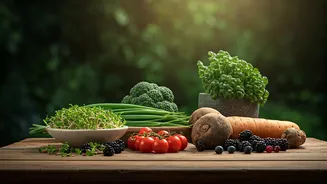
The idea of eating with the seasons is as old as agriculture itself. For millennia, it wasn't a choice; it was a reality dictated by climate and geography. You ate asparagus in spring, tomatoes in summer, and squash in the fall because that’s when they
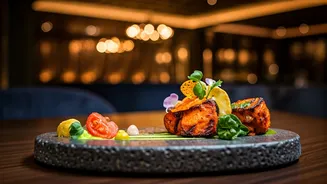
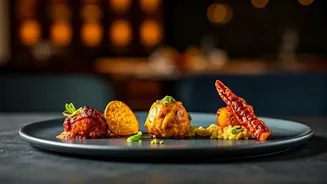
were available. This cycle was rooted in necessity and, more recently, championed by back-to-the-land movements and budget-conscious home cooks who knew that in-season produce was cheaper, more abundant, and tasted better. But a seismic shift has occurred. The very concept that defined rustic, home-style cooking has been claimed, polished, and re-sold to us as the pinnacle of luxury. Fine dining establishments, the kind with month-long waiting lists and hushed, reverent dining rooms, have become the new champions of seasonality. In their hands, it’s no longer about simple practicality; it's about curated, high-concept performance art.
The Chef as Storyteller
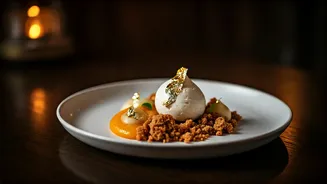
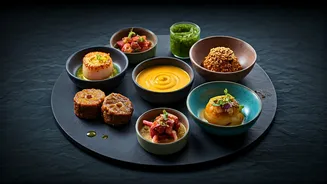
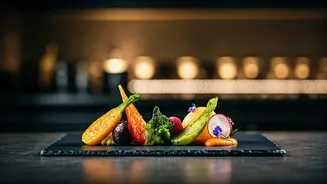
At the heart of this transformation is the evolution of the chef into a creative director and storyteller. Chefs at influential restaurants like Blue Hill at Stone Barns in New York or the now-closed, globally-revered Noma in Copenhagen didn't just serve seasonal food; they built entire narratives around it. A tasting menu might be designed to express a single moment in the year—the brief window when a specific flower blooms, the fleeting season of a rare mushroom, or the first tiny strawberries of spring. Menus get granular, listing not just the ingredient but its specific micro-season and origin story. You're not just eating a carrot; you're eating a ‘first frost’ carrot, harvested from a particular plot of land after the cold has concentrated its sugars. The dish is accompanied by a verbal explanation from a server, detailing the farmer who grew it, the forager who found it, and the fleeting nature of its existence. This turns a simple meal into an intellectual and emotional experience, connecting the diner to a specific time and place in a way a grocery store tomato never could.
The New Definition of Luxury
This framing makes seasonal eating aspirational by redefining luxury itself. Old luxury was about abundance and consistency: lobster and caviar available year-round, flown in from wherever necessary. The new, season-driven luxury is about scarcity and transience. The most coveted dish is the one you can only eat for three weeks a year, or perhaps only on a single night when the ingredients are at their absolute peak. It’s an experience that cannot be easily replicated or purchased on a whim. This creates a powerful sense of exclusivity. Securing a reservation during “ramp season” or getting to taste a dish built around a single day’s forage becomes a status symbol. It signals not just wealth (these meals are incredibly expensive) but also cultural attunement and access. You were there for that perfect, unrepeatable moment. In a world where global supply chains can deliver almost anything at any time, the ultimate luxury is being denied something—and then finally getting it at the exact right moment.
A Hunger for Authenticity
Why does this resonate so deeply? In our hyper-digital, globalized lives, we crave connection and authenticity. A meal that is profoundly tied to the earth, the weather, and a specific local environment offers a potent antidote to the feeling of placelessness. It feels real, tangible, and grounded. Even if the experience is meticulously constructed and comes with a hefty price tag, it taps into a genuine desire to feel connected to the natural world. Fine dining has successfully bottled this feeling. It offers a curated, comfortable, and delicious version of engaging with nature—no foraging in the mud required. It allows diners to participate in the romance of seasonality and feel like they are part of a more mindful, authentic food system, all while sitting in a beautiful dining room. The aspiration isn't just to eat the food, but to embody the values—sustainability, mindfulness, a deep appreciation for craft—that the meal represents.