


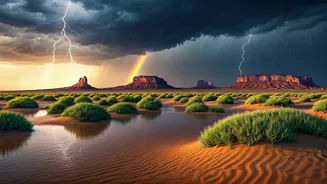




The Strategy: Embrace the Downpour
Let’s be honest: no one loves getting caught in a storm while trying to sightsee. But the “monsoon” or rainy season in many popular destinations—from the American Southwest to Southeast Asia—often means fewer tourists, lower prices, and a dramatic, atmospheric
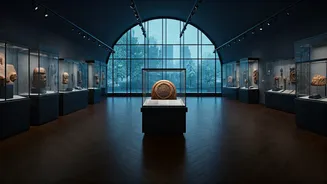
backdrop. The savviest travelers don’t just pack an umbrella; they build their itineraries around the weather. The secret is shifting your mindset. Instead of seeing a museum as a rainy-day backup plan, treat it as the main event. These cultural institutions offer more than just shelter; they provide a deeper context for the place you’re visiting. While other travelers are huddled in their hotels or braving the slick streets, you’re having a quiet, contemplative experience, connecting with the art and history of a region while listening to the rhythmic patter of rain outside. It feels less like a compromise and more like a brilliant travel hack.
Santa Fe, New Mexico: Art in the Arid Rain
The North American Monsoon brings dramatic, much-needed summer rain to the high desert of New Mexico from July to September. The sky turns a bruised purple, lightning flashes over the mountains, and the smell of creosote and wet earth—a scent known as petrichor—fills the air. It’s a spectacular, multi-sensory event. While the brief but intense afternoon storms send most people scurrying, it’s the perfect time to explore Santa Fe’s Canyon Road galleries or lose yourself in the Georgia O'Keeffe Museum. Seeing O’Keeffe’s iconic desert landscapes while the real desert outside is being transformed by a thunderstorm is a uniquely powerful experience. The museum is typically less crowded during these moments, allowing you to get closer to her canvases and appreciate the subtle shifts in color and form that she captured so masterfully. You’ll emerge after the storm passes into a freshly washed world, feeling like you’ve just seen the landscape through the artist’s eyes.
Bangkok, Thailand: Finding Serenity in the Storm
Bangkok’s rainy season (roughly May to October) can be intense, with sudden, torrential downpours that can flood streets in minutes. It’s an intimidating prospect, but it’s also when the city is at its most lush and vibrant. This is your chance to trade the chaotic streets for a pocket of absolute tranquility: the Jim Thompson House. This stunning complex of traditional Thai teakwood houses was the home of the American silk entrepreneur who revitalized the Thai silk industry. Now a museum, it’s an oasis of art, history, and immaculate design, surrounded by a dense tropical garden. Visiting during a rainstorm is magical. You can sit on a covered veranda, watching rain drip from banana leaves into a koi pond, and feel a world away from the city’s frenetic energy. It’s a meditative experience that’s impossible to replicate during the dry, peak tourist season when the grounds are packed. You’re not just escaping the rain; you’re experiencing a deeper, more peaceful side of Thai culture.
Mumbai, India: Culture Amidst the Deluge
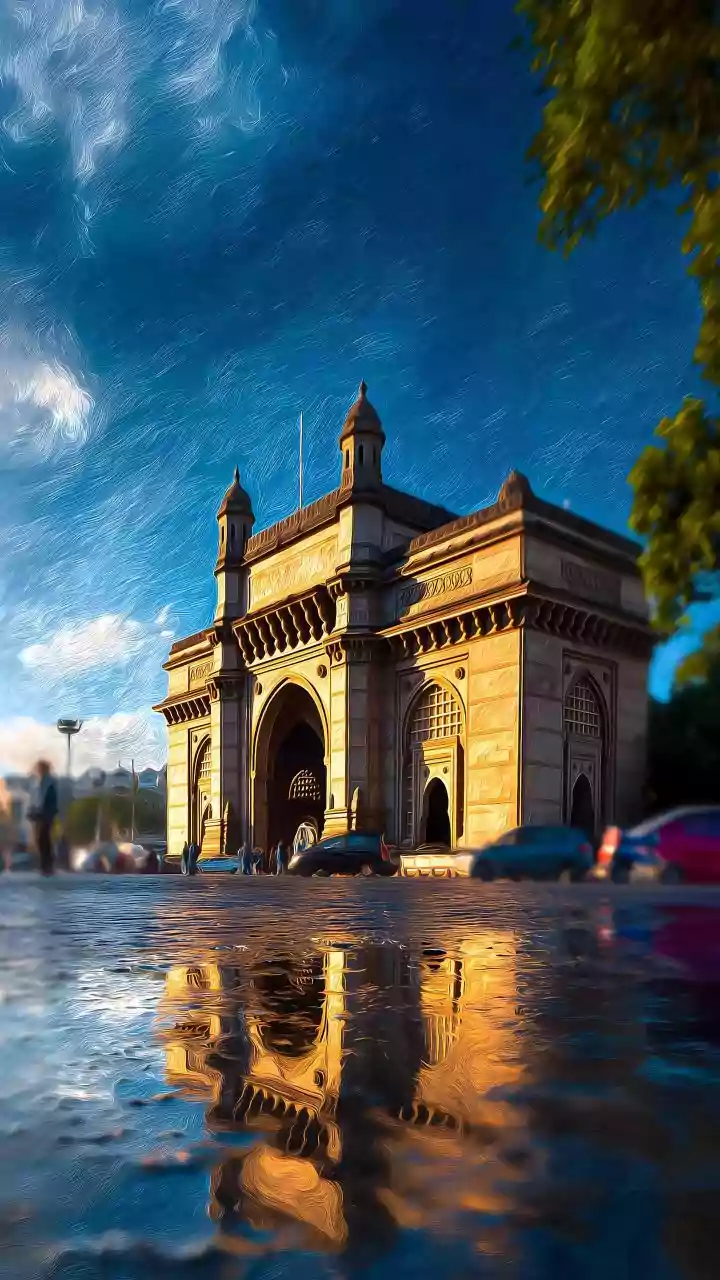
The Indian monsoon is a force of nature, a celebrated, life-giving phenomenon that defines the rhythm of the subcontinent. In Mumbai, it’s a city-wide event. While daily life continues, the tourist trail thins out, offering a more authentic glimpse into the city. Your smartest move is to head for the Chhatrapati Shivaji Maharaj Vastu Sangrahalaya (CSMVS), the city's premier art and history museum. Housed in a magnificent Indo-Saracenic building, the CSMVS is a treasure trove of Indian civilization, from ancient Indus Valley artifacts to exquisite miniature paintings. Spending a rainy afternoon here allows you to dive deep into the country’s staggering history without the rush. The galleries feel like a sanctuary from the downpour, a quiet space to process the immense cultural narrative of India. By the time you leave, the rain may have subsided, but your understanding of the country you’re standing in will have grown immeasurably.