
Beyond the Buffet Menu
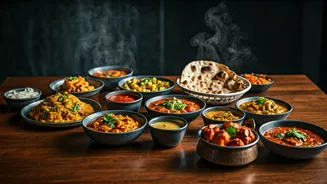
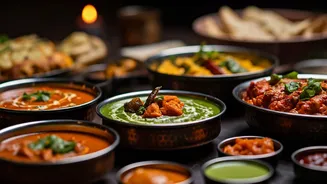
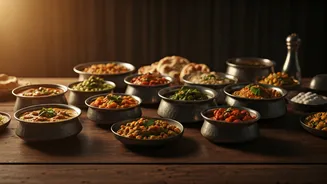
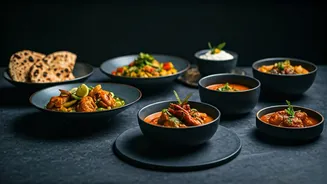
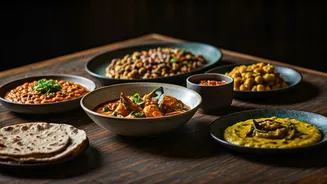
Walk into a classic Indian restaurant in the U.S., and you can often predict the menu: chicken tikka masala, saag paneer, chana masala, and a basket of pillowy naan. This selection, delicious as it is, primarily represents a narrow slice of North Indian,
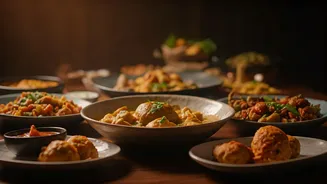
specifically Punjabi, cuisine. It’s the food that was popularized by the first waves of South Asian immigrants who opened restaurants in the U.K. and U.S. To appeal to Western palates and streamline kitchen operations, they created a standardized, accessible offering. This “curry house” model was a resounding success, introducing millions of Americans to the subcontinent’s flavors. But it also had an unintended consequence: it flattened the perception of one of the world's most diverse culinary landscapes. With 28 states and numerous distinct cultures, India’s cuisine is no more a single entity than “European food.” The food of coastal Kerala, rich with coconut and seafood, is worlds away from the mustard-oil-laced fish dishes of Bengal or the fermented foods of the Northeast. For years, these specific identities were largely confined to home kitchens within diasporic communities.
A Generation Reclaims the Narrative
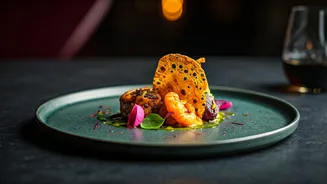
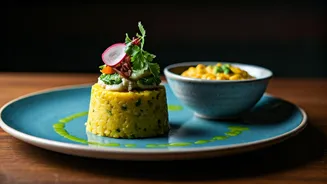
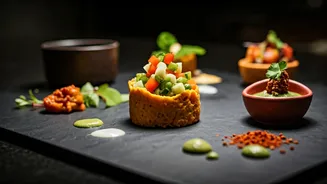
The current shift is being driven by a generation that grew up between two worlds: the American mainstream and the specific cultural heritage of their families. For many second-generation Indian Americans, the food their parents and grandparents cooked at home was a source of private comfort but public anxiety—its powerful aromas a marker of difference. Now, those same individuals are reclaiming it with pride. Chefs like Chintan Pandya and Roni Mazumdar of New York’s Unapologetic Foods group have become figureheads of this movement. Their restaurant Dhamaka, for instance, serves what they call “the other 99%” of Indian food, with provincial dishes like Rajasthani rabbit curry and goat neck biryani that were previously unheard of in fine dining. They aren’t just serving food; they’re making a statement about identity, authenticity, and refusing to cater to a watered-down expectation. This isn't about fusion. It's about presenting regional dishes in their full, unapologetic glory, trusting that diners are ready for the real thing.
The Hyper-Specific Goes Mainstream
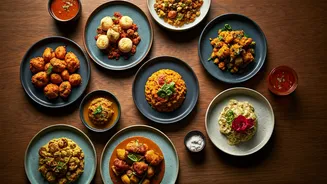
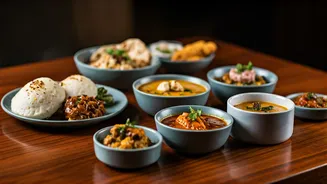
What makes this moment so exciting is its specificity. Instead of just “Indian,” diners are learning to ask for “Goan,” “Keralan,” or “Gujarati.” They’re discovering the tangy, seafood-forward vindaloos of Goa (a far cry from the fiery British Indian version), the delicate, paper-thin dosas and coconut-based stews of the South, and the complex vegetarian thalis of Gujarat, with their array of savory, sweet, and sour bites. This explosion of diversity is happening across the country. In pop-ups and supper clubs, young cooks are showcasing family recipes for dishes like pandi curry, a sour and spicy pork dish from Coorg, or macher jhol, a light Bengali fish stew. Cookbooks and food blogs are no longer just teaching the basics of a generic “curry”; they’re providing deep dives into the pantry and techniques of a single region. The message is clear: the more specific the story, the more universal its appeal.
From Instagram to Your Dinner Table
Social media has been a powerful accelerant for this trend. Platforms like Instagram and TikTok have allowed a new generation of food creators to bypass traditional media gatekeepers and connect directly with a curious audience. With a simple video, they can demonstrate the art of folding a savory patrel or explain the essential role of asafoetida in a lentil dish. They can share not just a recipe, but the story behind it—the family gathering it was served at, the festival it represents, or the history of its ingredients. This digital-first approach demystifies regional cooking and builds community. Followers feel like they’re learning from a friend, not a formal instructor. It has empowered countless home cooks to share their heritage and has created a groundswell of demand for more diverse ingredients and restaurant experiences. When a reel of a Maharashtrian street food snack goes viral, it creates a new market of people eager to try it in real life.