




The Soul of Banaras on a Plate
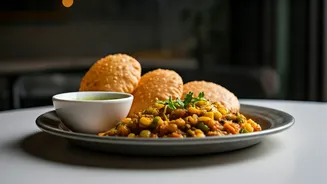
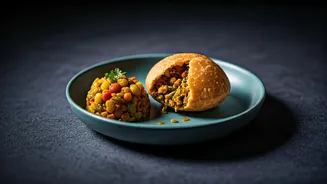
First, let’s get acquainted with the original. Banarasi Kachori Sabji isn’t just a dish; it’s an experience. Imagine a deep-fried, flaky pastry called a kachori, about the size of your palm. It’s stuffed with a savory, spiced lentil mixture (dal) that
provides a grainy, flavorful counterpoint to its crispy shell. This golden orb is then served alongside sabji, a vibrant, tangy, and slightly spicy potato curry, often made without onions or garlic in its most traditional form. It’s the kind of meal that’s simultaneously humble and complex, a staple breakfast that has fueled the ancient city of Banaras (Varanasi) for generations. The combination of textures—the crisp shatter of the kachori giving way to the soft potatoes and soupy curry—is culinary perfection. It's a dish rooted in place, tradition, and communal morning gatherings.
Enter the TikTok Palate
Now, enter Gen Z. This is a generation that grew up with the world’s pantry at their fingertips. Their food philosophy isn't just about taste; it’s about the story, the aesthetic, and the experience. A dish has to be 'Instagrammable.' It should be adaptable, perhaps offering vegan or gluten-free variations. And it thrives on fusion, borrowing freely from different cultures to create novel combinations. For them, food is a key part of identity and creative expression. They value authenticity, but they aren't rigid purists. They want to understand the roots of a dish, but they also want to see how it can be remixed for their modern, fast-paced, and visually driven world. This mindset is the perfect catalyst for culinary evolution, pushing chefs and home cooks to ask, 'How can we make this classic resonate today?'
Deconstructed, Not Destroyed
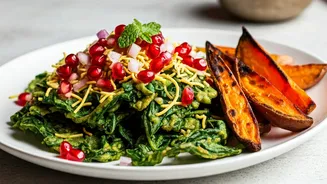
So how exactly is Kachori Sabji being reimagined? The innovations are as creative as they are delicious. In trendy urban cafes from Mumbai to New York, you might find 'Kachori Chaat Tacos,' where the kachori shell is shaped like a mini taco and filled with the traditional potato sabji but topped with modern garnishes like avocado cream, pickled onions, or a sprinkle of microgreens. Another popular take is 'Kachori Poppers'—bite-sized, unstuffed kachoris served with the sabji as a dipping sauce, perfect for sharing and social gatherings. Some chefs are playing with the fillings, swapping out the traditional lentils for things like spicy cheese and corn, mushroom duxelles, or even sweet potato and kale. The sabji itself might be refined into a silky 'potato foam' or a vibrant 'spiced potato coulis' in a fine-dining context, turning a rustic street food into a sophisticated appetizer.
A Sign of Cultural Confidence
Some might see this as a departure from tradition, but a more compelling view is that it’s a sign of profound cultural confidence. For decades, Indian food in the West was often simplified into a few familiar curries. Now, a new generation of diaspora chefs and food lovers are proudly claiming their culinary heritage in its full regional diversity—and they feel secure enough to play with it. Reimagining a dish like Kachori Sabji isn't about erasing its history; it's about celebrating it so enthusiastically that it spills into new forms. It’s a way of saying, 'This flavor profile is so amazing, it deserves to be experienced in as many ways as possible.' This creative freedom ensures the dish isn't just preserved in a museum of culinary history but continues to be a living, breathing part of the culture, adaptable and ready for its next chapter.