





An Atmosphere, Not Just a Season
For hundreds of millions, the monsoon is more than just a weather pattern; it's a mood, a feeling, a complete sensory overhaul. And a “monsoon kitchen” isn’t a specific type of room, but a culinary state of mind. It’s a philosophy of cooking and eating
that is deeply tied to the rhythm of the rains. After months of vibrant, cooling summer foods, the culinary focus turns inward. The cravings shift from crisp salads and icy drinks to warm, comforting, and notably simpler fare. This isn't about a lack of options, but a conscious, centuries-old turn towards foods that soothe the body and soul during the damp, gray, and often relentless rainy season.
The Ancient Wisdom of Eating Light
This embrace of simplicity isn't just a matter of taste; it’s rooted in traditional health wisdom, particularly Ayurveda. According to Ayurvedic principles, the monsoon season, or *Varsha Ritu*, is a time when our digestive fire (*agni*) is naturally at its weakest. The damp, humid environment is believed to make the body more susceptible to digestive issues and infections. The traditional response is to eat foods that are light, warm, and easy to process. Heavy, fried, and oily foods are minimized. Raw vegetables and leafy greens, which can be harder to digest and potentially carry more contaminants in the wet environment, are often swapped for cooked or steamed vegetables. The goal is to nourish the body without overburdening it, a principle that feels surprisingly modern in its focus on gut health and mindful eating.
The Icons of Monsoon Comfort
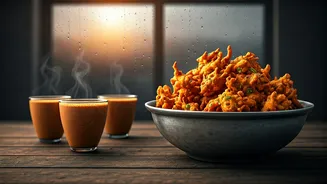
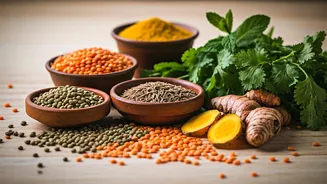
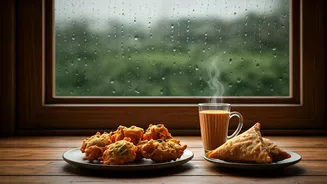
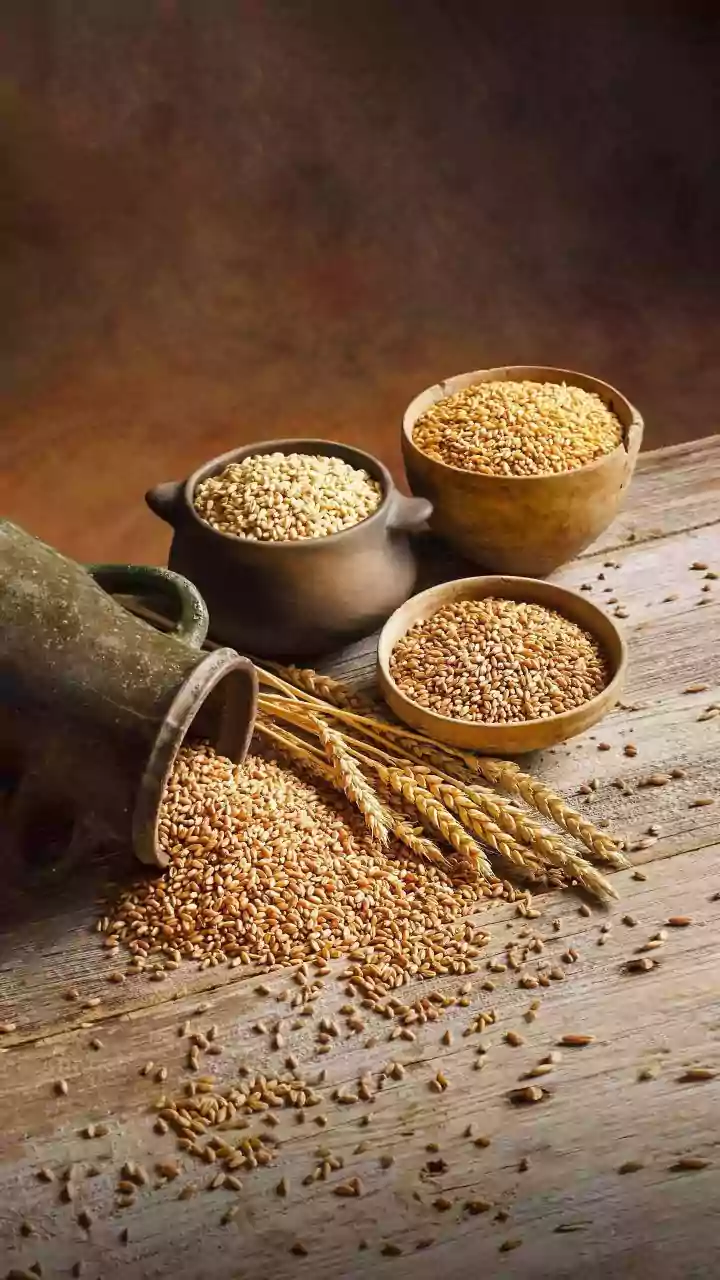
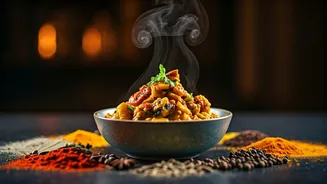
So what does this simplicity taste like? It tastes like a warm bowl of *khichdi*, a humble, one-pot dish of rice and lentils gently spiced with turmeric and ginger, often considered the ultimate comfort food. It’s the sound of batter hitting hot oil to make *pakoras*—crisp, savory fritters made with chickpea flour and vegetables like onion or potato, enjoyed hot with a cup of steaming *masala chai*. That spiced tea, brewed strong with ginger, cardamom, and cloves, is itself a cornerstone of monsoon life, providing warmth and a defense against seasonal sniffles. These aren't complex, multi-course meals. They are soulful, straightforward dishes that deliver maximum comfort with minimal fuss, designed to be enjoyed while listening to the rain.
A Modern Return to Roots
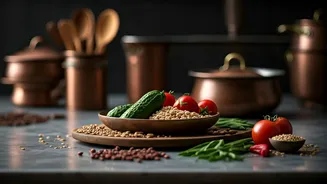
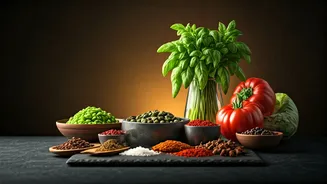
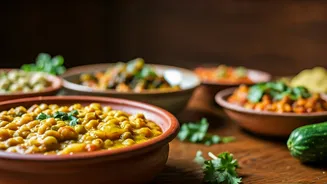
In a world of year-round avocado toast and imported berries, this intensely seasonal approach feels both radical and right. Today, many urban home cooks and even high-end chefs in India and across the diaspora are re-embracing this philosophy. It’s seen not as a limitation, but as a welcome reset. Choosing to cook a simple dal instead of a complex curry becomes an act of self-care. Forgoing imported asparagus for local gourds is a nod to sustainability. This modern revival isn’t about slavishly following ancient rules, but about appreciating their underlying wisdom. It’s a recognition that the most satisfying meals are often the ones that are in harmony with our environment and our bodies, proving that sometimes, the simplest choice is also the smartest.