




A Mythic Destination's Modern Calling
Tucked away in the state of Uttarakhand, the Valley of Flowers National Park is a place steeped in both natural wonder and Hindu mythology. Legend holds that this is the magical meadow from which the deity Hanuman collected the life-saving Sanjeevani
herb. For decades, it was a destination for devout pilgrims and serious botanists. But recently, the profile of its visitors has dramatically shifted. The trails are now bustling with a new kind of seeker: young, urban Indians in their twenties and thirties, armed with hiking poles and smartphones, looking for an experience that transcends a simple vacation.
The Post-Pandemic Call of the Wild
Like their counterparts in the U.S. and Europe, young Indians have embraced the outdoors with newfound fervor in the wake of the pandemic. After months of lockdowns and screen-heavy remote work, the desire for fresh air, physical challenge, and a digital detox—even a temporary one—has become a powerful motivator. This “revenge travel” isn’t just about booking flights to a resort; it's about reclaiming a sense of freedom and adventure. Trekking offers a perfect outlet. It’s an achievement, a journey, and a profound escape from the pressures of city life, making destinations like the Valley of Flowers a prime target for this new wave of domestic tourism.
An Adventure Made for Social Media
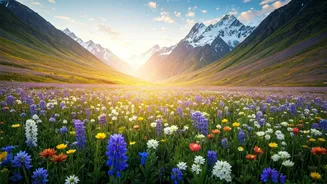
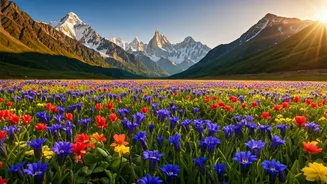
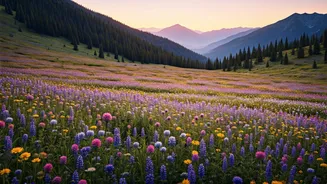
It’s impossible to ignore the role of Instagram, YouTube, and travel vlogs in this trend. The Valley of Flowers is, simply put, spectacularly photogenic. The vibrant, almost surreal landscape of purple primulas, blue poppies, and wild roses set against a backdrop of snow-capped peaks provides the ultimate content. For a generation that documents and shares its life experiences online, completing this trek is a visual badge of honor. A stunning photo from the valley isn’t just a vacation picture; it’s a statement about personal growth, a taste for adventure, and an appreciation for India's own natural wonders. This visual appeal acts as a powerful, self-perpetuating marketing campaign, with each trekker's post inspiring dozens more to follow.
The Search for an 'Accessible Epic'
While located in the formidable Himalayas, the trek to the Valley of Flowers is considered moderate in difficulty. It’s challenging enough to feel like a genuine accomplishment but doesn't require the elite fitness or technical skills of a high-altitude mountaineering expedition. The trail is well-defined, and the entire journey can be completed in about a week. This makes it an ideal “first epic” for young professionals and college students who are new to trekking but want an experience with a high reward-to-effort ratio. It offers the thrill of a Himalayan adventure without the prohibitive barriers of cost, time, or extreme physical conditioning, democratizing an experience once reserved for a hardcore few.
A New Kind of Pilgrimage
While the trek may not be religious for most of these young visitors, it serves a similar spiritual purpose. It’s a pilgrimage away from the noise of modern life and toward a sense of inner peace and self-reliance. The long hours of walking, the shared camaraderie with fellow trekkers, and the overwhelming scale of the landscape offer a powerful reset button. In a country undergoing rapid urbanization and cultural change, this journey back to nature represents a search for something authentic and grounding. It’s a modern quest for wellness and meaning, undertaken not in a temple, but on a trail thousands of feet above sea level.