


The Romance of the Roadside
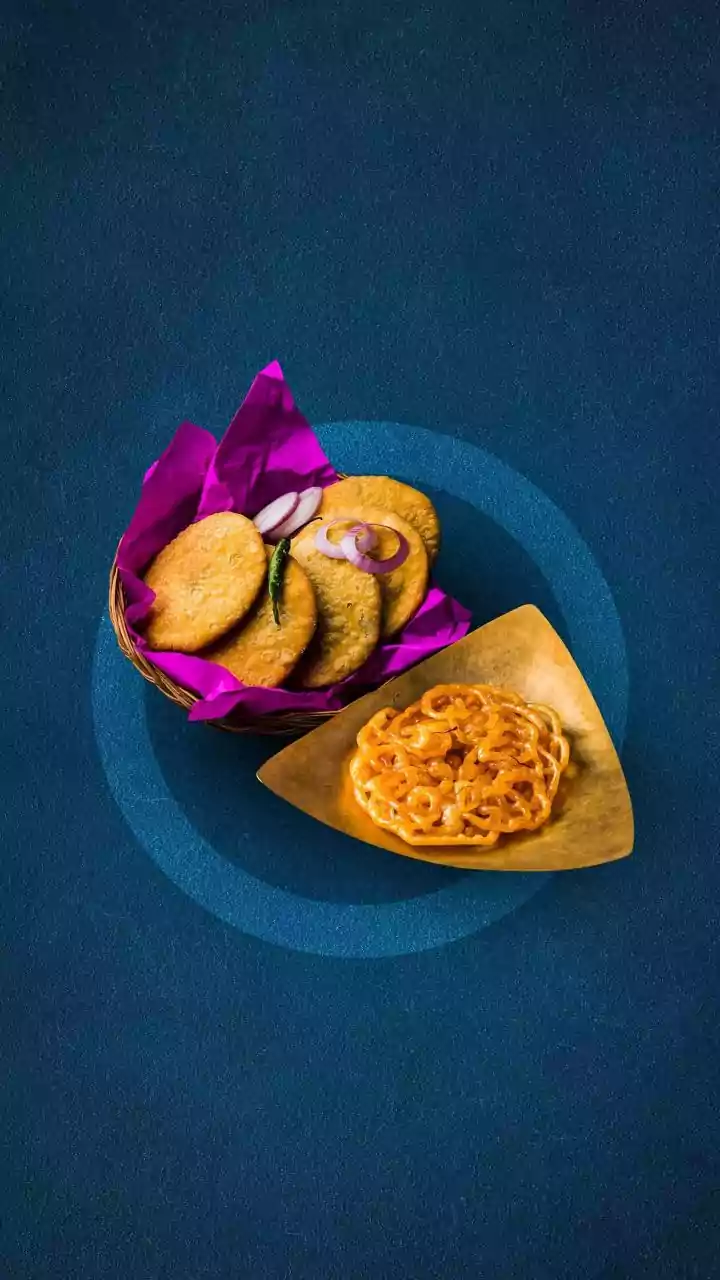
For generations, street food in India hasn’t just been about a quick bite; it’s a cultural institution. It’s the crisp, hollow puri of a pani puri (or golgappa, or phuchka, depending on the region) filled with tangy tamarind water. It’s the spicy potato
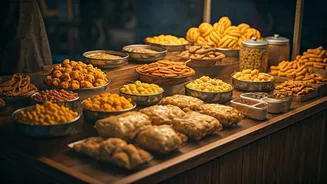
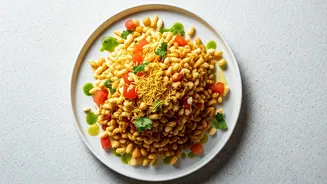
fritter of a vada pav, tucked into a soft bun. It's the delightful crunch of bhel puri, a mix of puffed rice, onions, potatoes, and chutneys tossed together in seconds. This food is hyperlocal, deeply personal, and famously inexpensive. Every vendor has their own secret spice mix, their own ratio of sweet to sour. The experience is theatrical—a whirlwind of chopping, mixing, and serving that’s as much a part of the flavor as the ingredients themselves. It’s a sensory overload in the best possible way, a cornerstone of daily life for millions and a must-do for any tourist seeking an “authentic” taste of the country.
Enter the Ready-to-Eat Revolution
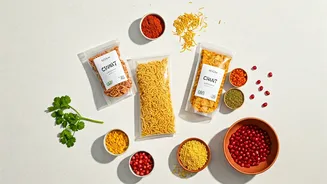
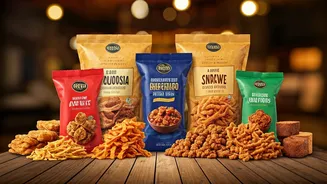
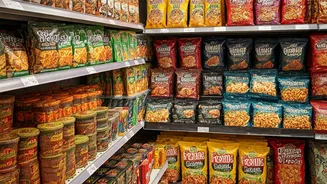
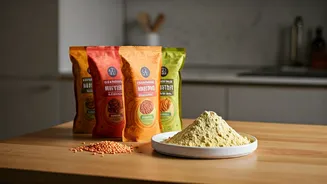
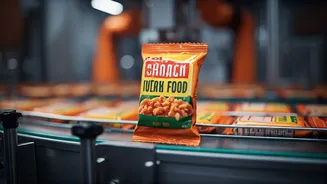
Now, that entire street-side ritual is being challenged by a formidable force: the consumer packaged goods industry. Walk into a modern Indian supermarket, and you’ll find the very essence of street food shrink-wrapped and shelf-stable. Major brands like Haldiram’s, Bikaji, and a host of ambitious startups are deconstructing these beloved snacks and selling them as kits and ready-to-eat mixes. You can now buy a box of pani puri that comes with the crispy shells, a packet of dry spice mix for the water, and a pouch of sweet chutney. Bhel puri is sold as a bag of dry ingredients with separate sachets of wet chutneys, to be mixed just before eating. Frozen vada pav, ready to be microwaved, is becoming commonplace. It’s a systematic effort to bring the chaotic, spontaneous joy of the street into the controlled, predictable environment of the home kitchen.
The Driving Force: Convenience and Hygiene
So, why is this happening now? The shift is fueled by a perfect storm of social and economic changes. India’s rapidly growing urban middle class is time-poor and increasingly affluent. Long commutes and dual-income households leave little time for complex cooking, making convenience a top priority. For this demographic, the ability to satisfy a 9 p.m. craving for chaat without leaving the apartment is a game-changer. Furthermore, there’s a growing obsession with hygiene—a concern amplified by the pandemic. While street vendors have always faced skepticism about their cleanliness standards, the new packaged versions offer a promise of factory-sealed safety and standardized quality. For parents wanting to give their kids a taste of the street without the perceived risks, a branded packet is an easy choice. These products offer a reliable, if not identical, flavor profile every single time, removing the vendor-to-vendor variability that was once part of the charm.
What’s Lost (and Gained) in Translation
Naturally, this makeover comes with a fierce debate about authenticity. Can the soul of street food truly survive inside a plastic pouch? Purists argue that it’s impossible. You lose the *jugaad*—the improvisational spirit—of the vendor. You lose the communal experience of standing with strangers around a cart, sharing a fleeting moment of culinary delight. The taste, while often surprisingly good, can feel formulaic. The texture of a microwaved vada or a rehydrated chutney can’t quite replicate the fresh, made-to-order magic. But what’s gained is undeniable: accessibility. People in small towns without a famous chaat-wala (snack vendor) can now taste a classic Mumbai bhel puri. The Indian diaspora in the U.S., Canada, or the UK can satisfy a nostalgic craving with a quick trip to their local Indian grocery store. These packets are, in a sense, democratizing flavors that were once intensely local, making them available to anyone, anywhere, anytime.