




The Great Wall of Paperwork
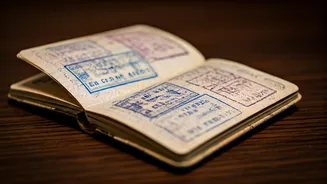
For anyone with a U.S. passport, the world is largely an open door. You can visit around 189 countries without securing a visa in advance. Now, consider the Indian passport, which offers visa-free access to only about 62 nations, many of which aren't
the buzzy destinations flooding social media feeds. For a young Indian dreaming of a European summer or a New York Christmas, the process is a grueling gauntlet. It involves compiling an exhaustive list of documents: bank statements to prove financial stability, letters from employers, detailed itineraries, flight and hotel bookings made *before* the visa is even approved, and of course, hefty application fees. After submitting everything, they face an anxious waiting period that can stretch for weeks or even months, with no guarantee of success. A rejection often means losing the money spent on non-refundable bookings. This bureaucratic friction is the antithesis of the spontaneity that defines Gen Z culture.
A New Generation with New Priorities
India's Gen Z (those born roughly between 1997 and 2012) is a demographic force unlike any before it. As the first generation to grow up in a liberalized, digitally connected India, they have global tastes and, increasingly, the disposable income to match. They are avid consumers of global culture via Instagram and YouTube, and they want to experience the world they see online. However, they pair this ambition with a low tolerance for inefficiency. This is a generation accustomed to one-click ordering, instant payments, and seamless digital services. The idea of printing out stacks of paper, waiting in long embassy lines, and facing uncertain outcomes for a one-week vacation feels archaic and disrespectful. Their mantra is simple: why jump through hoops for a country that seems reluctant to host you when another will welcome you with open arms?
The Rise of the 'Easy' Getaway
Sensing this massive opportunity, several countries have rolled out the red carpet for Indian tourists. Nations across Southeast Asia, in particular, have become the primary beneficiaries of this trend. In late 2023, Thailand and Sri Lanka announced temporary visa-free entry for Indian citizens, a move that Malaysia quickly followed. Vietnam has become a breakout star, thanks to its stunning landscapes and simple e-visa process. Travel platforms report a massive surge in searches and bookings for these destinations from India, directly correlating with the easing of entry requirements. These countries aren't just offering a vacation; they're offering a hassle-free experience where the excitement begins at booking, not after a stressful embassy appointment. For a young Indian professional, the choice between a guaranteed trip to a Thai beach next month versus a potential trip to Italy in six months is an easy one.
Voting with Their Wallets
This shift is more than just a preference for convenience; it's a powerful economic statement. By flocking to visa-friendly countries, young Indians are demonstrating the immense purchasing power of the world's most populous nation. The message to the global tourism industry is clear: bureaucratic barriers are a liability. Countries that simplify their visa processes are rewarded with a flood of young, digitally-savvy travelers who spend on experiences, food, and shopping, and then amplify their trips to millions of followers on social media. This trend represents a quiet demand for respect. It's about choosing to spend time and money in places that actively signal they want you there. For a generation building its identity on the global stage, the feeling of being welcomed, rather than vetted, is a powerful draw.