



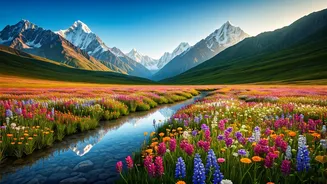
A Mythical Garden in the Clouds
Imagine a place so vibrant it seems pulled from folklore. Tucked away in the upper reaches of the Indian Himalayas in Uttarakhand state, the Valley of Flowers National Park is exactly that. A UNESCO World Heritage site, this high-altitude valley isn't
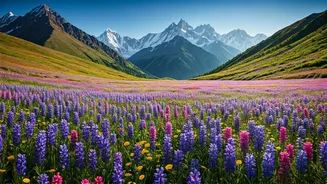
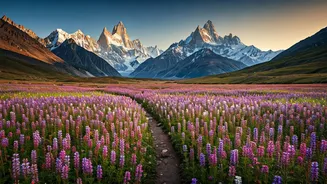
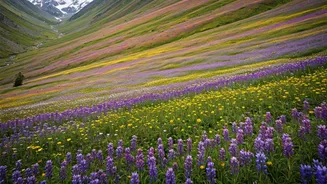
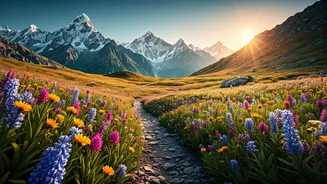
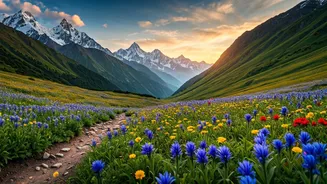
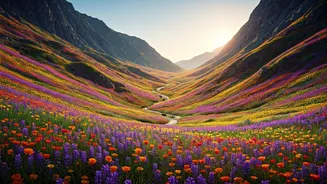
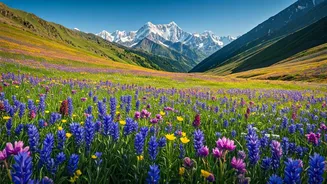
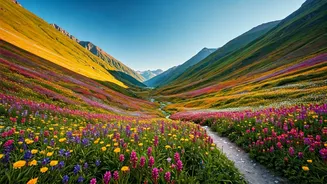
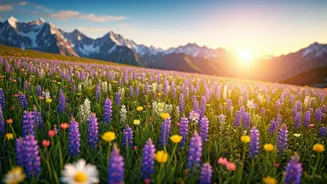
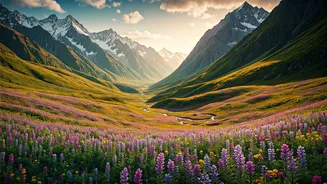
a year-round destination. For most of the year, it lies dormant under a thick blanket of snow. But for a fleeting window during the monsoon season, typically from July to early September, it undergoes a spectacular transformation. Millions of alpine flowers bloom simultaneously, carpeting the meadows in a breathtaking tapestry of blue, pink, yellow, and white. This ephemeral beauty is what gives the valley its legendary status among trekkers, botanists, and anyone seeking a truly magical encounter with nature.
Why the Buzz Is Back
The phrase "travel chats are waking up" perfectly captures an annual phenomenon that feels more intense than ever. Each spring, as trekkers begin planning their summer adventures, online forums and social media groups dedicated to Himalayan travel start buzzing with queries about the Valley of Flowers. When will the snow melt? What's the trail condition? Is this the year to finally go? This year, that buzz is amplified by a collective, post-pandemic desire for big, meaningful travel. After years of restrictions, travelers aren't just looking for a vacation; they're seeking transformative experiences. A trek to a remote, myth-laden valley that only reveals its beauty for a short time fits the bill perfectly. It represents a pilgrimage to something wild, rare, and profoundly beautiful.
The Journey Is the Destination
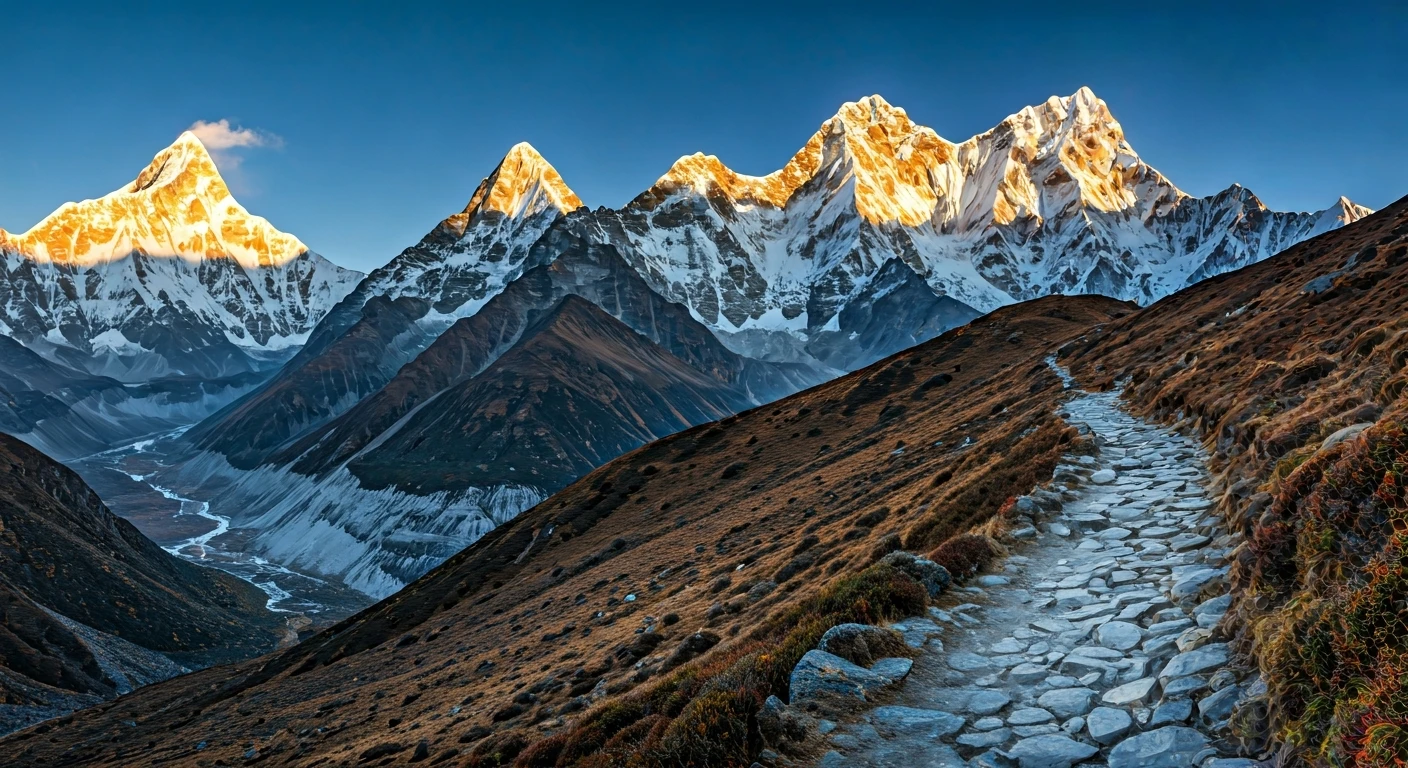
Getting to the Valley of Flowers is an adventure in itself. The journey is a multi-day trek that requires a reasonable level of fitness and a healthy dose of determination. Most trekkers begin their ascent from the small hamlet of Govindghat, making their way to the base camp village of Ghangaria. This part of the journey is a classic Himalayan trek, following the roaring Pushpawati River through lush forests and past cascading waterfalls. The trek from Ghangaria to the valley entrance is where the magic truly begins. The trail is steep in parts, but the climb rewards you with increasingly stunning views. Reaching the entrance and stepping into the vast, open meadow of flowers is a moment of pure awe—the culmination of days of effort and a profound connection to the landscape.
A Carpet of Wild Color
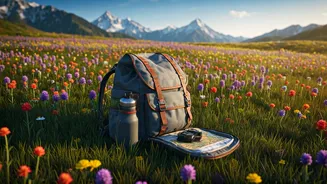
This isn't a manicured garden; it's a wild, chaotic, and stunningly diverse ecosystem. The park is home to over 500 species of flowering plants, many of which are endemic to the region. While the mix changes weekly, trekkers can hope to see a dazzling array of flora. The iconic Himalayan blue poppy, the elusive Brahma Kamal (the state flower of Uttarakhand), and the strangely beautiful cobra lily are just a few of the stars. But the real spectacle is the sheer density and variety. Slopes are covered in geraniums, potentillas, and asters, creating a painter's palette of natural color set against the dramatic backdrop of snow-capped peaks. It’s a sensory overload in the best possible way, a place where you can spend hours simply wandering and marveling at the intricate details of the landscape.
Planning Your Himalayan Pilgrimage
If the online chatter has you inspired, a little planning goes a long way. The best time to visit is from mid-July to mid-August, which is considered the peak blooming season. You'll need to be prepared for monsoon weather, which means packing high-quality rain gear and waterproof hiking boots is non-negotiable. The trek is considered moderate, but the high altitude (the valley sits at around 12,000 feet) means acclimatization is key. Take it slow and stay hydrated. You will need to obtain a permit to enter the national park, which can be done at the start of the trail. While you don't need to be a professional mountaineer, a solid base of cardiovascular fitness will make the experience far more enjoyable. This is less of a casual hike and more of a rewarding challenge.