





The Air You Can Wear
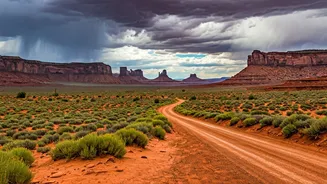
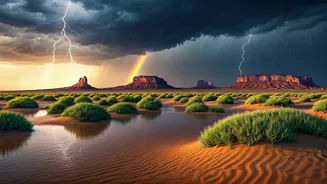
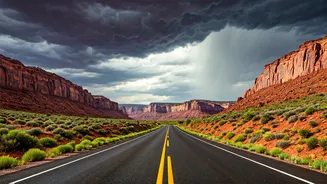
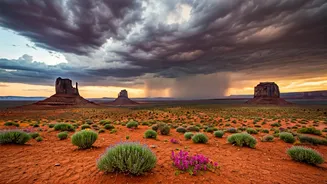
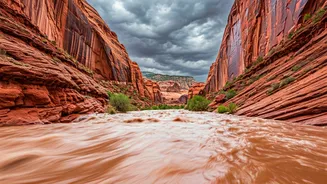
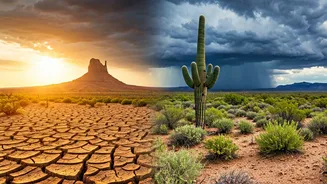
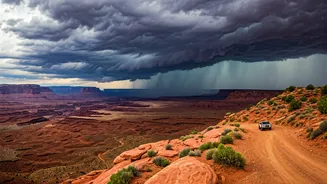
For months, the air is bone-dry, the sun relentless. Then, usually in July or August, the weather pattern shifts. A river of moisture flows up from the south, transforming the arid landscape. This is the North American Monsoon, and its arrival is less an event
and more a presence. The humidity doesn’t just rise; it hangs, thick and tangible. It’s a palpable blanket of moisture that clings to the skin, quiets the birds, and paints the sky with towering, bruised-purple clouds. For residents of Arizona, New Mexico, and surrounding areas, this shift is the official start of a second, more dramatic summer—one defined by sudden storms and the sweet relief they bring. But before the downpour, the humidity itself works a special kind of alchemy on the plant life that has waited patiently for this very signal.
A Botanical Signal
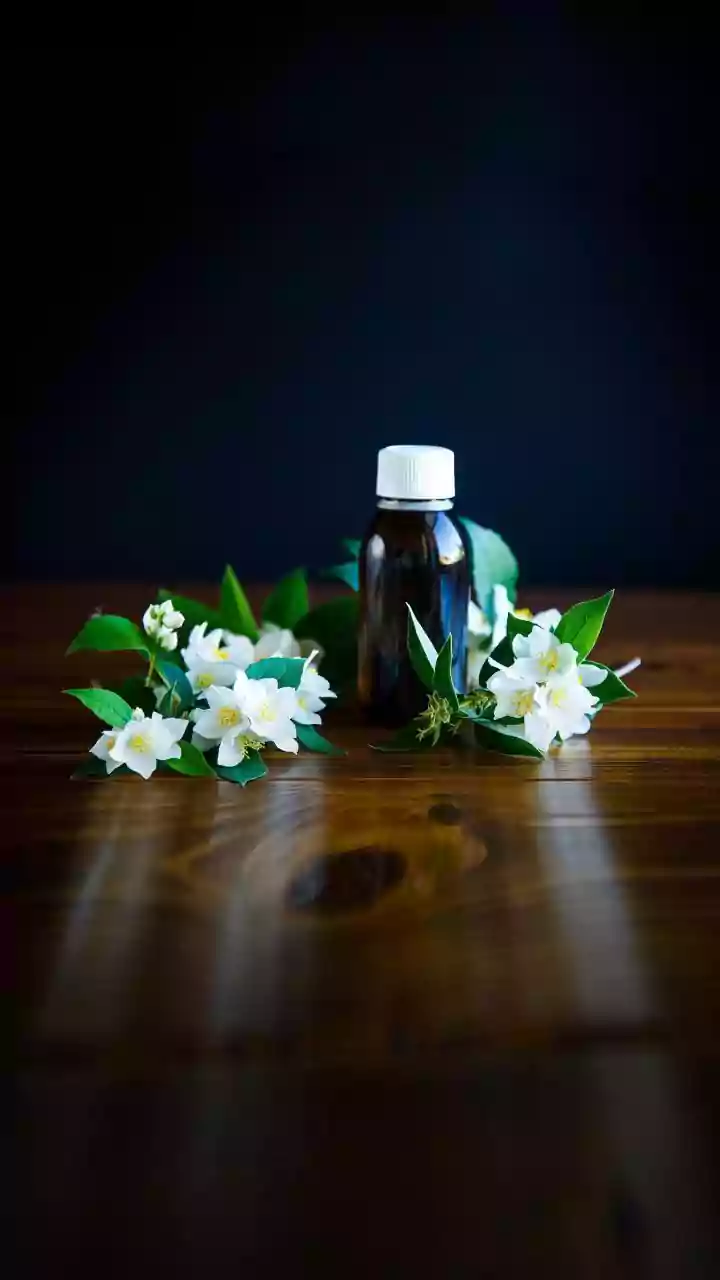
For certain plants, particularly night-bloomers, this dramatic increase in airborne moisture is the ultimate trigger. The magic of the monsoon jasmine bloom is really a story of brilliant botanical strategy. Jasmine flowers, especially varieties like Arabian jasmine (*Jasminum sambac*), produce their intoxicating scent to attract nocturnal pollinators like moths. They create and store their fragrant essential oils during the heat of the day. But releasing them into dry, hot air is inefficient; the delicate scent molecules would dissipate almost instantly. High humidity changes the equation. When the air is saturated with water vapor, the plant’s stomata (tiny pores on the leaves and petals) open more readily to 'breathe.' More importantly, the heavy, humid air acts as a perfect carrier for the flower’s volatile organic compounds—the very essence of its fragrance. The scent doesn't just evaporate; it lingers, travels, and hangs in the air, creating an immersive, perfumed bubble.
The Night-Scented Orchestra
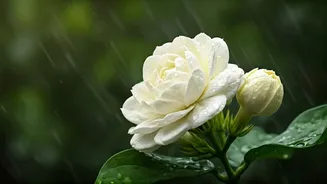
The star of this show is often the Arabian jasmine, a plant whose connection to humid nights is legendary across the globe. Its pearly white flowers unfurl as dusk settles, releasing a scent that is rich, sweet, and almost overwhelmingly beautiful. It’s a fragrance that has launched a thousand perfumes and inspired centuries of poetry. But it’s not alone in the night-scented orchestra. Night-blooming jasmine (*Cestrum nocturnum*), though not a true jasmine, is another key player. Its clusters of small, unassuming greenish-white flowers are virtually scentless by day. But when the monsoon humidity arrives, they emit a powerful, sweet, and almost spicy fragrance that can fill an entire neighborhood. For desert gardeners, planting these specimens is an act of faith, a bet that the arid climate will eventually give way to the brief, glorious weeks when their yards become enchanted, fragrant spaces after dark.
An Annual Sensory Ritual
This phenomenon is more than just a botanical curiosity; it’s a cherished part of life in the Southwest. The first night the jasmine blooms is a celebrated moment. It’s a sensory confirmation that the monsoon has truly arrived, bringing with it the promise of life-giving rain and a reprieve from the oppressive dry heat. People sit on their patios, windows open, simply to inhale the fragrance. It’s a communal experience shared across backyards and courtyards, a scent that weaves itself into the memory of summer. The aroma of damp earth from the coming rain, known as petrichor, mixes with the jasmine’s perfume to create a signature scent of the desert monsoon—a smell of renewal, relief, and deep, natural beauty. It’s a reminder that even in the harshest environments, nature choreographs moments of profound and seemingly magical grace.