




The Seductive Promise of Perfection
Let’s be honest: fancy diets are incredibly alluring. They arrive in a shiny package of promises—rapid weight loss, optimized performance, glowing skin, a cure for the vague feeling that you’re not doing ‘wellness’ right. Whether it’s keto, paleo, a raw-food
regimen, or a plan requiring you to track macros to the decimal point, these systems offer a sense of control in a chaotic world. They present a clear set of rules, a structured path from A to B. In a culture obsessed with optimization, a complex diet feels like a sophisticated solution. It feels like you’re finally taking your health seriously, armed with a detailed blueprint that influencers and celebrities swear by. The problem is, this blueprint is often designed for a life without traffic jams, surprise deadlines, or a kid who suddenly hates broccoli.
Where Complexity Meets Reality
The “real heat” in the headline isn’t just a summer day; it’s the friction of daily life. It’s the Tuesday morning when you’re out of almond flour. It’s the Friday night when friends want to grab pizza. It’s the sheer exhaustion at the end of a long workday when the thought of spiralizing a zucchini feels like a Herculean task. This is where complex diets crumble. They are brittle systems that lack flexibility. Every deviation feels like a failure, triggering a cycle of guilt that often leads to abandoning the plan altogether. This isn't a failure of willpower; it’s a failure of design. Psychologists call it 'decision fatigue.' The more choices and rules you have to process—weighing this, restricting that, sourcing a rare ingredient—the more your cognitive resources are drained. Eventually, your brain defaults to the easiest path, which is rarely the one outlined in your color-coded meal-prep chart.
The Unsung Hero: The 'Good Enough' Meal
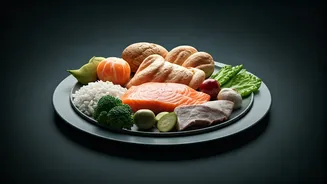
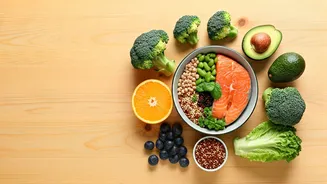
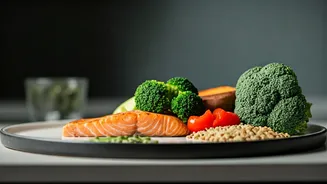
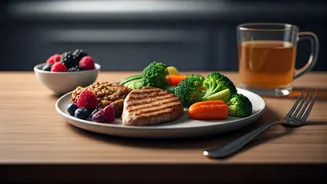
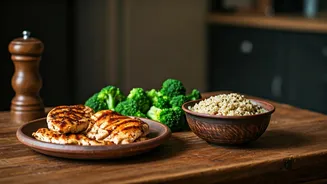
So, what’s the alternative? The humble, practical meal. This isn’t a formal ‘diet’ at all, but a flexible approach built on simple principles. Think of it as a template: a protein, a vegetable, and a source of fiber or complex carbs. It’s not about perfection; it’s about consistency. A practical meal is a rotisserie chicken from the grocery store with a side of steamed frozen veggies. It’s scrambled eggs with a piece of whole-wheat toast. It’s a can of black beans mixed with salsa and whatever greens are left in your fridge. These meals aren't going to break the internet, but they will nourish you, keep you full, and require minimal mental energy. They work *with* your life, not against it. By lowering the barrier to entry, the 'good enough' meal makes it exponentially more likely that you’ll eat a nourishing meal at home instead of giving up and ordering takeout for the third night in a row.
Building a System, Not a Stricture
The key to making practical eating stick is to build a simple system that removes guesswork. Instead of a rigid diet, create a loose framework. First, identify 5-7 go-to meals you can make with minimal effort using ingredients you almost always have. Think tacos, pasta with a simple sauce, or a hearty 'everything-but-the-kitchen-sink' salad. Second, embrace what nutrition experts call 'habit stacking'—linking your new eating habit to an existing one. For example, while your morning coffee brews, you pull out ingredients for that night’s dinner. Third, focus on addition, not just subtraction. Instead of obsessing over what to cut out, ask yourself, “What vegetable can I add to this?” This positive framing feels less restrictive and more empowering. The goal is to automate the basics so that when the “real heat” is on, your default setting is already a healthy one.