

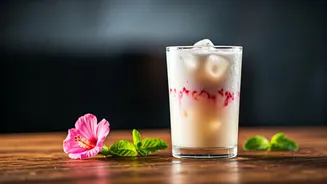
What Exactly Is Chaas?
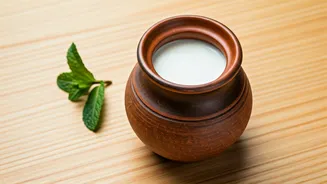
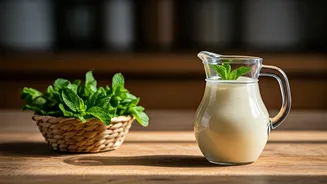
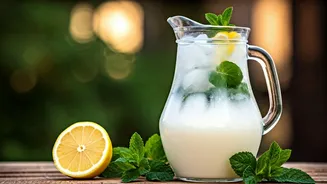
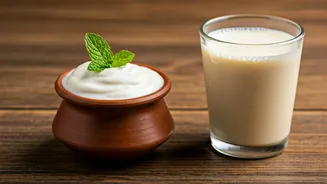
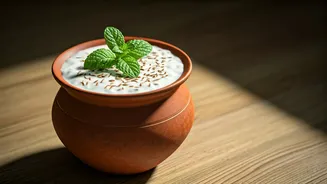
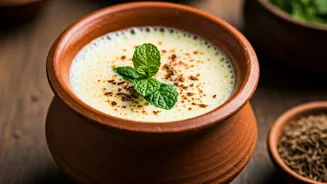
Chaas, pronounced 'ch-haas,' is a traditional yogurt-based drink popular across the Indian subcontinent. At its simplest, it’s a blend of plain yogurt, water, salt, and spices. Think of it as a savory, drinkable yogurt or a close cousin to buttermilk—in
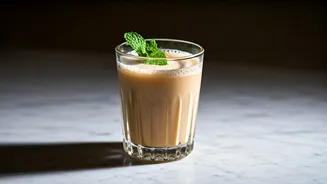
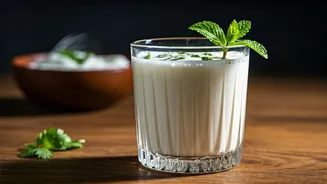
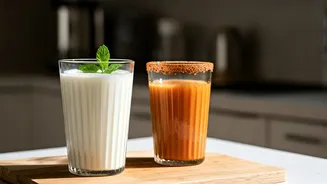
fact, it’s often called Indian buttermilk. Unlike the thick, sweet lassi you might find at restaurants, chaas is typically thinner, lighter, and designed to be incredibly refreshing. It's a staple in Indian households, often served during or after meals to aid digestion and cool the body, especially in hot weather. The flavor profile is tangy, slightly salty, and can be customized with a variety of herbs and spices, from roasted cumin and black salt to fresh mint and cilantro.
A Gut-Friendly Drink, Minus the Hype
The magic of chaas lies in its simplicity. Because its primary ingredient is yogurt, chaas is a natural source of probiotics—the beneficial live bacteria that support a healthy gut microbiome. These are the same 'good bugs' that companies spend millions advertising in high-end kefirs, supplements, and fermented teas. But while those products are often heavily processed or sweetened, chaas is a whole-food solution that has been trusted for centuries. It delivers live cultures in a hydrating format without the added sugars or the sometimes-intense fizz of kombucha. It's not a new, scientifically engineered 'superfood'; it’s just a time-tested, common-sense way people have been promoting digestive wellness for generations.
Finally, An Affordable Probiotic
Here's where chaas truly outshines its trendy competitors. The wellness market has conditioned us to believe that gut health comes at a premium. A single 16-ounce bottle of brand-name kombucha or kefir can easily cost $4 to $6. If you drink one daily, that’s over $120 a month. Now, consider the cost of making chaas. All you need is plain yogurt, water, and a pinch of salt. A large 32-ounce tub of plain yogurt costs around $4 and can make more than a gallon of chaas. That brings the per-serving cost down to mere cents. Even if you add fresh herbs and high-quality spices, a glass of homemade chaas will rarely cost more than a quarter. It democratizes gut health, taking it from a boutique wellness trend and returning it to an accessible kitchen staple.
Why It Feels Surprisingly Familiar
For many Americans, the idea of a 'fermented drink' conjures images of kombucha's vinegar-like tang or the distinct funk of certain kefirs—flavors that can be an acquired taste. Chaas, on the other hand, is built on a flavor profile that is already familiar to the American palate. If you’ve ever had buttermilk, sour cream, or plain Greek yogurt, you’re already acquainted with its foundational taste. The consistency is similar to a thin smoothie or a glass of milk, making it easy to drink. The savory, cooling notes of salt and cumin are refreshing rather than challenging. It doesn't ask you to learn to love a strange new flavor; it meets you where you are, offering the gentle tang of dairy that many already enjoy.
Your Simple Guide to Making Chaas
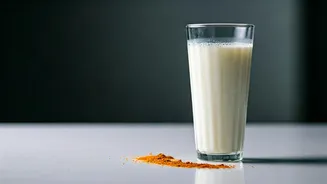
You don’t need a special recipe or fancy equipment to make chaas. The best way to start is with a simple ratio. In a blender or a large jar with a tight-fitting lid, combine one part plain yogurt with two to three parts cold water. Add a generous pinch of salt. Blend or shake vigorously until smooth and frothy. For a traditional 'masala' (spiced) chaas, add a pinch of roasted ground cumin powder. That’s it. From there, you can customize it to your liking. Try adding a handful of fresh cilantro or mint leaves before blending for a bright, herbaceous kick. A small piece of ginger or a green chili can add a touch of warmth. The goal is to find a combination that you find refreshing. Serve it chilled, as is, or over ice.