






The Rise of the Rooftop Oasis
For years, the rooftop was an urban afterthought—a space for HVAC units and water towers, largely ignored. But as urban agriculture has blossomed from a niche hobby into a mainstream movement, these once-barren expanses are being transformed. Across cities
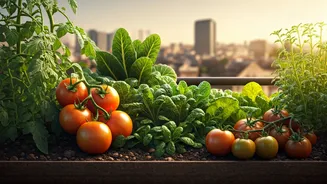
like New York, Chicago, and Denver, developers and residents are creating lush, productive gardens in the sky. These aren't just a few sad pots on a balcony; they are full-fledged community hubs with raised beds, irrigation systems, and shared seating areas. This green revolution is driven by a desire for fresher food, a connection to nature in a concrete world, and, most importantly, a new kind of neighborhood square. Rooftop gardens have become the de facto backyards for apartment dwellers, offering a rare patch of green where neighbors can gather, collaborate, and unwind.
Enter the Four-Legged Neighbor
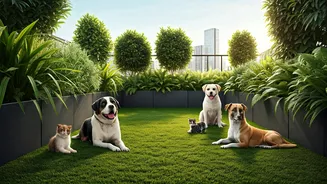
As these green spaces flourish, a new demographic is making its presence known: pets. While the headline’s image of a “flood” might be dramatic, the trend is undeniable. For millions of urban pet owners, particularly those with dogs, finding adequate green space is a constant struggle. The local dog park can be chaotic, and a quick walk around the block hardly suffices. The communal rooftop garden, with its semi-private feel and natural environment, presents an irresistible alternative. It’s a place where owners can socialize while their pets explore sensory-rich surroundings. This phenomenon is amplified by the ongoing “pet humanization” trend, where dogs and cats are viewed not just as animals but as integral family members who deserve to participate in all aspects of life, including relaxing among the sunflowers 20 stories up.
The Rules of the Roof
Naturally, the introduction of pets into meticulously planned gardens isn't without complications. This emerging trend is forcing new conversations and creating a new set of social contracts. Property managers and garden committees are now grappling with a host of questions. Should there be designated pet-friendly zones? Are dogs required to be on-leash? And the most delicate question of all: who is responsible for preventing a curious golden retriever from digging up the prize-winning heirloom tomatoes? Some high-end developments are getting ahead of the curve, designing rooftop amenities with pets in mind from the start, complete with small turf runs adjacent to the garden plots. In more organic, resident-run spaces, the rules are often negotiated on the fly, testing the limits of neighborly goodwill. It’s a microcosm of urban living—a balancing act between individual desires and the collective good.
A New Breed of Community Space
The presence of pets in rooftop gardens is more than just a cute anecdote; it signals a fundamental shift in what Americans expect from urban life. It reflects a demand for spaces that are not just functional but holistic, catering to our needs for nature, food, social connection, and the well-being of our entire household—pets included. This blending of uses is pushing designers and developers to think more creatively about shared amenities. What was once just a garden is now a multi-species social club. This trend underscores a powerful truth about modern cities: when people can’t find the spaces they need, they’ll creatively and collectively redefine the spaces they have. The rooftop garden is no longer just for growing vegetables; it’s for growing a more inclusive, albeit sometimes complicated, kind of community.