



The Venice of the East
Long before it became a hashtag-worthy destination, Udaipur earned its reputation as the “City of Lakes.” Unlike the arid landscapes that characterize much of Rajasthan, Udaipur is an oasis of shimmering water and green hills. The city was founded in 1559
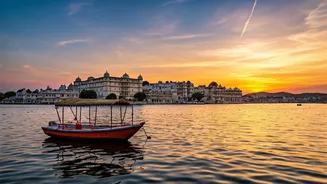
by Maharana Udai Singh II, who, according to legend, was advised by a holy man to build his capital on this strategic, water-rich site. The result is a city built in harmony with its geography, where grand palaces overlook a network of man-made lakes, including the iconic Lake Pichola and Fateh Sagar Lake. A slow boat ride at dusk is practically a rite of passage, offering panoramic views of bathing ghats, historic havelis (mansions), and the majestic Aravalli Hills framing it all. This unique waterscape, dotted with architectural marvels, is what earned it the romantic moniker, “The Venice of the East.”
A Living Royal History
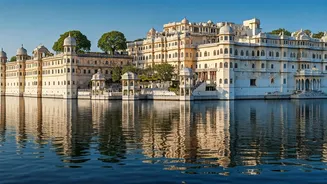
The heart of Udaipur beats within the walls of the City Palace, a sprawling complex that is not just a museum but a living testament to the Mewar dynasty. This isn't a ruin; it's a place where history feels breathtakingly present. Started in the 16th century, the palace was expanded by successive rulers over 400 years, resulting in a stunning fusion of Rajasthani and Mughal architectural styles. As you wander through its opulent courtyards, mirrored halls, and intricate balconies, you're walking the same ground as maharanas who famously resisted Mughal domination. The palace still houses the royal family in a private section, a tangible connection to the past that makes it feel less like a relic and more like a continuous story. The on-site museum showcases a dazzling collection of artifacts, but the real treasure is the feeling of stepping into a lineage that has shaped the soul of the city.
The Jewel of the Lake
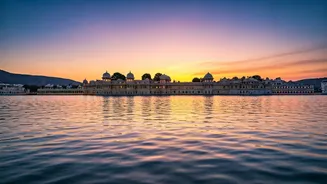
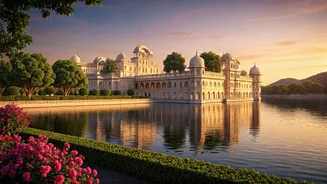
If one image defines the Udaipur dream, it’s the Taj Lake Palace. Originally built in the 1740s as Jag Niwas, a royal summer palace, this ethereal structure of white marble appears to float magically in the middle of Lake Pichola. Accessible only by boat, its isolation is part of its immense allure. Once a playground for princes, it was transformed in the 1960s into one of the world's most romantic and luxurious hotels. Its global fame was cemented when it served as the villain's lair in the 1983 James Bond film *Octopussy*, solidifying its image as a place of intrigue and fantasy. While staying there is a bucket-list experience for many, even viewing it from a boat on the lake or from the ramparts of the City Palace feels like witnessing a mirage made real. It is the ultimate embodiment of the “royal escape,” a fantasy of opulent seclusion.
Beyond the Palace Walls
While the palaces provide the grandeur, the soul of Udaipur is found in the labyrinthine lanes of its old city. This is where the royal fantasy meets vibrant, everyday life. Here, you can get lost exploring bustling bazaars filled with the scent of spices and the flash of colorful textiles. Shops sell everything from handcrafted leather journals and silver jewelry to the region's famed miniature paintings—an intricate art form that has been passed down through generations. The city’s energy is palpable as you navigate past roaming cows, auto-rickshaws, and street vendors selling delicious local snacks. This contrast between the serene, stately palaces and the lively, chaotic streets is what makes Udaipur so compelling. It's a place where you can spend the morning feeling like royalty and the afternoon feeling like a local explorer.