



The Symphony of Street Food
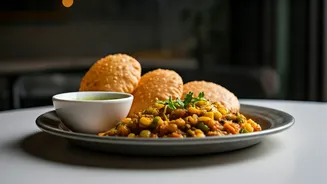
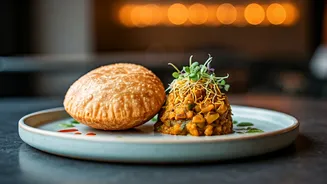
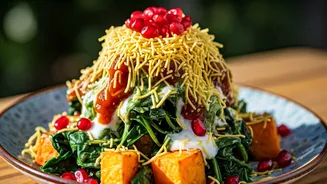
Chaat isn’t one dish; it's a category of savory snacks so delicious you want to lick the plate clean. At its heart, chaat is an exercise in delightful contrasts. It typically starts with a crispy base—like a fried wafer (papdi) or a hollow puff (pani
puri)—loaded with soft potatoes or chickpeas. The magic, however, happens with the sauces. A sweet-and-sour tamarind chutney provides depth, a vibrant green mint-coriander chutney adds a spicy kick, and cool, creamy yogurt often balances the heat. The final flourish is a textural wonderland: a sprinkle of fine, crunchy chickpea flour noodles called sev and juicy pomegranate seeds. The result is a multi-layered snack that hits every note on the palate. Traditionally, it's assembled to order and eaten immediately, a hallmark of its freshness and dynamism.
From Indian Streets to American Aisles
How did this quintessentially fresh food find its way into American grocery stores? The trend is fueled by two powerful currents. First, the growing South Asian diaspora has created a built-in market for authentic, convenient foods that taste like home. But the appeal is now far broader. The second driver is the evolution of the mainstream American palate. Consumers, particularly younger ones, are actively seeking bold, complex flavors from around the world. Platforms like TikTok and Instagram act as accelerators, where vibrant dishes like dahi puri become viral sensations, driving curiosity and demand. For a generation that values new experiences, chaat offers an exciting and accessible culinary adventure beyond typical chips and dip.
The Million-Dollar Packaging Puzzle
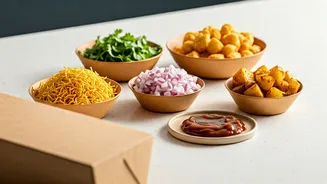
The journey from street cart to shelf is a technical one. The central challenge is daunting: how do you capture the chaotic, multi-textural magic of chaat in a box? The dish's essence—soggy fillings against a crisp shell—is a food science nightmare for shelf stability. A pre-mixed chaat would become a mushy mess in hours. The solution has been clever deconstruction. Companies sell DIY chaat kits with components in separate, sealed pouches: one for the crisp puris or papdis, another for the filling, sachets for the chutneys, and a packet of sev for the topping. This modular approach preserves the integrity of each component. It solves the texture problem and, just as importantly, recreates a small part of the experience for the consumer—the fun of assembly.
The Brands Behind the Boom
This emerging market has attracted both legacy players and nimble newcomers. Giant international brands like Haldiram's, a household name in India, are packaging their components more explicitly as kits for the U.S. consumer, leveraging decades of brand recognition. At the same time, American-based companies are making huge inroads. Deep Indian Kitchen, known for its frozen meals, has successfully launched chaat-inspired snacks by framing them in a way that’s accessible to a broad audience. You'll also see smaller startups entering the fray, often founded by second-generation Indian-Americans who can bridge the cultural gap. They use modern branding and social media to appeal to consumers looking for both convenience and an authentic story.