


The Emerald Transformation
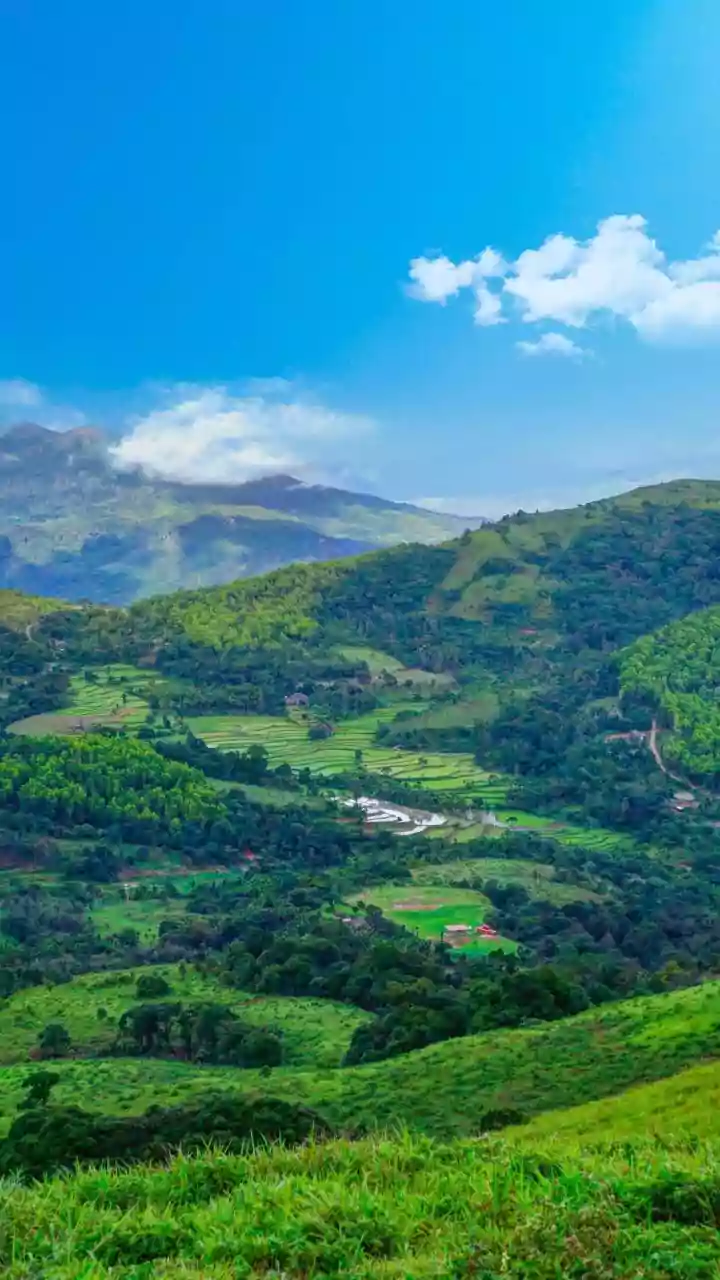
Imagine a landscape holding its breath, waiting. Before the monsoon, the hills of the Eastern Ghats—a mountain range that forms the backbone of Andhra’s travel belt—can be sun-baked and quiet. But as the first rains arrive in June, a radical and swift
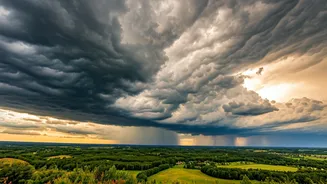
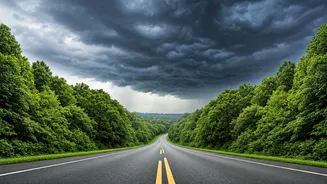
transformation occurs. The parched earth drinks deeply, and within weeks, every hill and valley is saturated in an impossible spectrum of greens. The Araku Valley, a rolling hill station often compared to more famous northern counterparts, sheds its dusty coat for a velvet cloak of emerald. Terraced coffee plantations, rice paddies, and dense forests become so intensely verdant they seem to hum with life. The air, once hot and heavy, turns cool and fragrant with the scent of wet soil and fresh leaves. Driving through these winding roads is not just a journey but an immersion in green.
A Symphony of Water
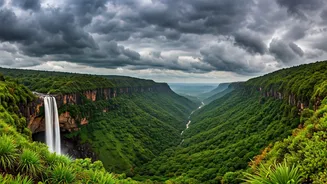
The monsoon is, above all, about water. And in Andhra Pradesh, it puts on a spectacular show. Streams that were mere trickles just weeks before swell into confident rivers, carving paths through the rejuvenated landscape. The real stars, however, are the waterfalls. Seasonal cascades, known locally as “dudumas,” appear as if from nowhere, spilling over cliffs and roadside rock faces in curtains of white. Major waterfalls like Katiki, near the famous Borra Caves, transform from a gentle stream into a thundering spectacle. The roar of the water fills the air, sending a fine, cool mist across the surrounding forest. It’s a multi-sensory experience: the powerful sound of the falls, the feeling of the spray on your skin, and the sight of nature’s raw power on full display. For photographers and nature lovers, it’s a scene of unparalleled dynamism.
The Mystical Mist of Lambasingi
If there’s one place that embodies the monsoon’s mystique, it’s Lambasingi. Nicknamed the “Kashmir of Andhra Pradesh,” this tiny, high-altitude village is known for its uniquely cool climate, with temperatures sometimes dipping into the 40s Fahrenheit even in summer. During the monsoon, it becomes something else entirely. Thick, low-hanging clouds and dense fog roll through the valleys, often enveloping the entire village. Visibility can drop to just a few feet, turning a simple walk into a mysterious adventure. The mist clings to the trees and blankets the coffee and pepper plantations, softening every edge and muting every sound. It creates a dreamlike, almost ethereal atmosphere. Watching the fog drift over the hills as you sip a hot cup of locally grown Araku coffee is an experience that feels both deeply peaceful and profoundly dramatic.
Coastal Drama in Vizag
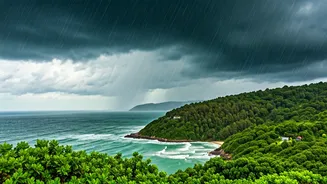
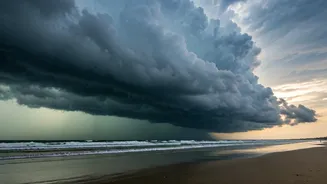
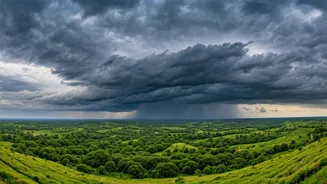
The monsoon’s drama isn’t confined to the hills. On the coast, the port city of Visakhapatnam (often called Vizag) offers a different but equally compelling performance. The usually placid Bay of Bengal turns turbulent. Dark, heavy clouds stack up on the horizon, creating a moody, cinematic backdrop for the city’s famous beaches. While swimming is off-limits and dangerous, watching the powerful, churning waves crash against the shore from a safe vantage point is a mesmerizing experience. A drive up to Kailasagiri, a park-topped hill overlooking the city, provides a panoramic view of the entire scene: the sprawling city on one side, the vast, steel-gray sea on the other, and the dramatic monsoon sky tying it all together. It’s a powerful reminder that beauty isn’t always found in sunshine and blue skies.