





First, Forget the Mango You Know
When Americans think of mangoes, they picture the sweet, soft, sunset-colored fruit that defines summer smoothies and desserts. That is a ripe mango. The fruit at the heart of this hack is its polar opposite: the raw, or green, mango. Known as *kacha
aam* in Hindi, a raw mango is picked long before it ripens. It’s rock-hard, incredibly tart, and its flesh is a pale, creamy white. You wouldn't want to eat a slice of it on its own unless you have a high tolerance for face-puckering sourness. In Indian cuisine, it’s treated more like a vegetable or a souring agent, similar to how a chef might use a lemon or vinegar. It’s the foundational ingredient for countless pickles, chutneys, and summer drinks designed to cool the body and delight the palate.
The Peel is the Secret Weapon
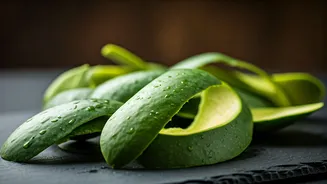
While many recipes call for peeling the raw mango, the truly resourceful and flavor-obsessed cooks know better. The peel of a raw mango is where the magic lies. Unlike the tough, sometimes bitter peel of a ripe mango, the skin of a young, green mango is thin, edible, and packed with a unique flavor profile. It carries a slightly bitter, tannic quality that beautifully balances the flesh’s intense sourness, adding a layer of complexity you simply can't get from the flesh alone. It also provides a wonderful, slightly crunchy texture. Keeping the peel on is a masterstroke of two core tenets of traditional cooking: maximizing flavor and minimizing waste. Why throw away a part of the fruit that makes the final dish better?
Meet Thokku: The Ultimate Mango Condiment
The primary showcase for this technique is a condiment called *manga thokku* in Tamil or mango *chunda* or *launji* in other regions. It’s a thick, spoonable pickle or relish that’s a universe of flavor in every bite: sour, spicy, salty, and often a little sweet. The process is brilliantly simple. Whole raw mangoes are washed and then grated—peel and all. This vibrant green-and-white confetti is then cooked down with oil, mustard seeds, asafoetida (a pungent spice that adds an umami, onion-like flavor), turmeric, and a generous amount of chili powder. Sometimes jaggery or sugar is added to create a sweet-and-sour version. The grated peel softens but doesn't disintegrate, lending a pleasant chewiness to the final product. The result is a powerhouse condiment that can be slathered on flatbread, mixed into rice, served alongside yogurt, or used to add a tangy kick to just about anything.
How to Try It Yourself
Ready to experiment? Your first step is sourcing the right ingredient. You won't find raw green mangoes in a typical American supermarket. Head to an Indian, Southeast Asian, or Latin American grocery store. Look for mangoes that are uniformly dark green, firm to the touch (they should feel like a hard avocado), and heavy for their size. Once you have your mangoes, wash them thoroughly. There’s no need to peel. Using the large holes of a standard box grater, grate the entire mango, rotating it as you go until you’re left with the flat inner seed. From there, you can look up a recipe for "manga thokku" or simply sauté the gratings in a bit of oil with your favorite spices. A simple mix of mustard seeds, a pinch of turmeric, chili flakes, and salt is a great place to start. Cook until tender, and you’ve just made your first raw mango peel condiment.