



You've Neglected Your Wiper Blades
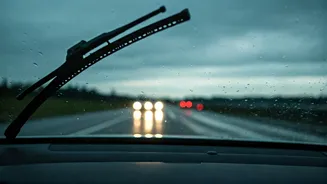
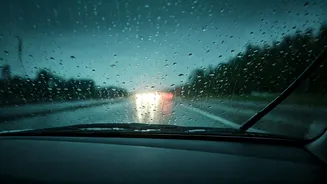
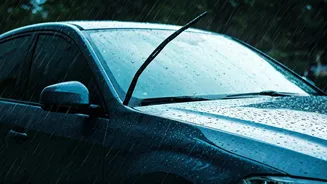
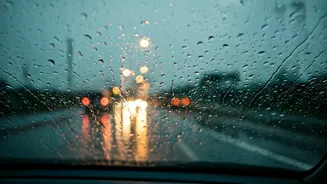
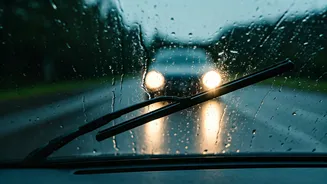
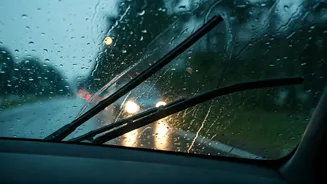
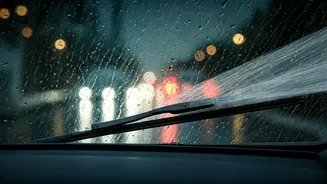
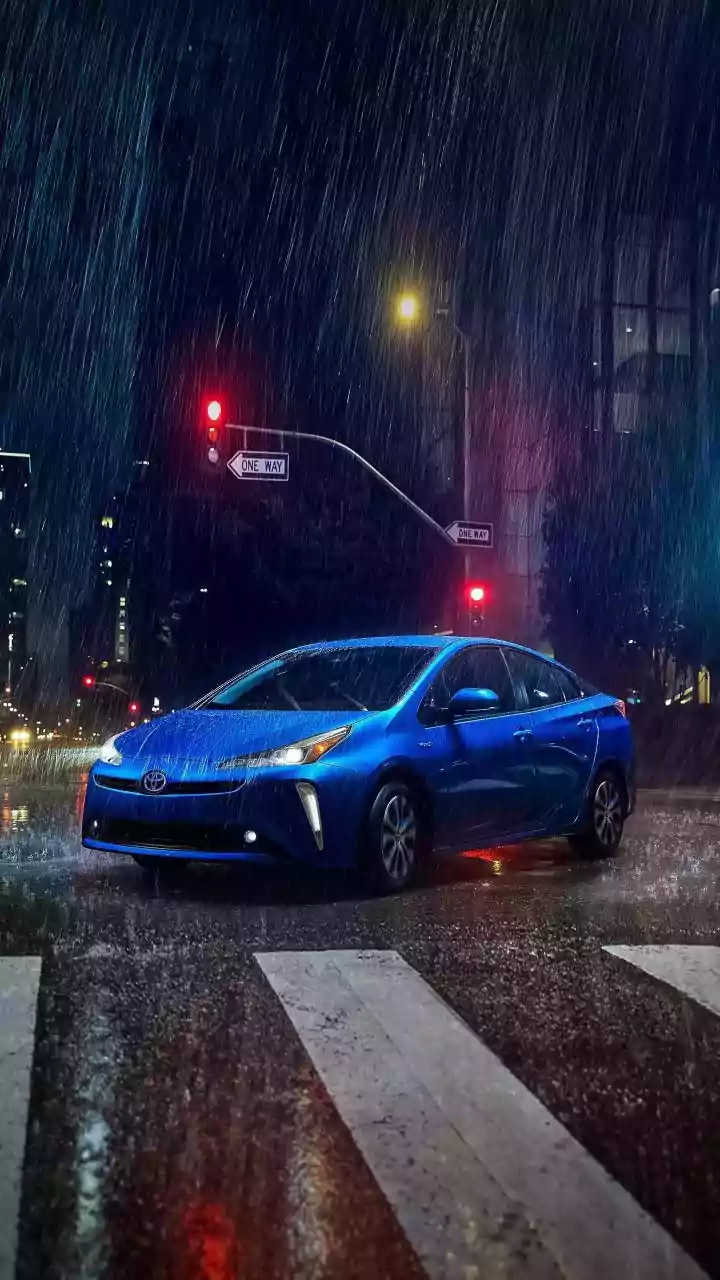
This is the most common and immediate failure. You haven't thought about your wipers since last year, and now they just smear a greasy film across the windshield. In light rain, old, hardened rubber might seem okay. But against a monsoon downpour, that
brittle edge can't create a clean seal, leaving you effectively blind. Streaking or chattering are cries for help. Experts recommend replacing blades every 6-12 months, especially in sunny climates where UV radiation degrades the rubber. It’s a ten-dollar fix that prevents a zero-visibility crisis.
Your Tires Have Lost Their Grip
Bald or underinflated tires are a hydroplaning incident waiting to happen. The deep grooves on your tires are channels designed to funnel water out from under the tire, keeping the rubber on the road. When the tread is worn, those channels can't handle a monsoon's volume of water. Your car begins to float, and you lose all steering and braking control. Check your tread depth with a penny—if you can see all of Lincoln's head, your tires are dangerously worn. Also, check your tire pressure monthly, as underinflated tires are more susceptible to hydroplaning.
Your Headlights Can't Cut Through the Gloom
In a heavy downpour, visibility plummets. Your headlights aren't just for you to see; they're for others to see you. A common mistake is ignoring the cloudy, yellowed haze that builds up on plastic headlight lenses. This oxidation diffuses the light, scattering it instead of projecting it forward. What seems like a cosmetic issue on a clear night becomes a major safety hazard in a storm. Your lights appear dim, reducing your visibility and making you nearly invisible. Headlight restoration kits are an easy, inexpensive fix.
You've Let Debris Clog Your Drains
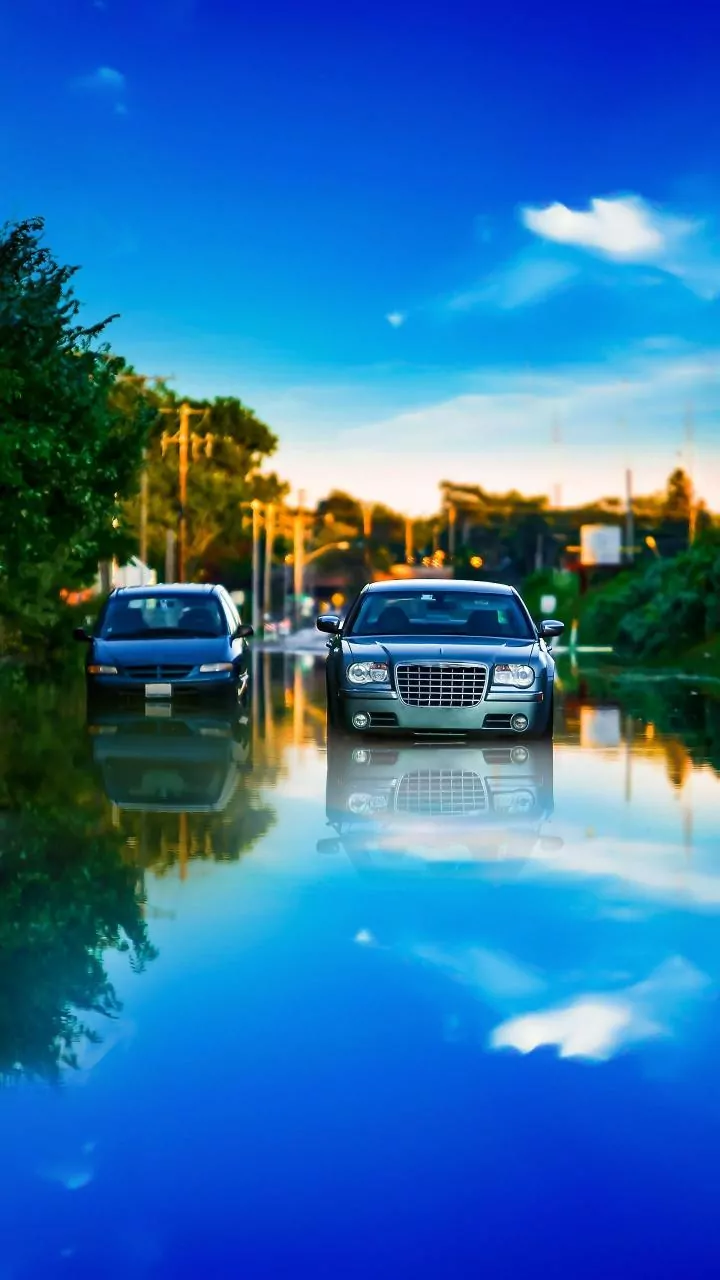
This sneaky problem leads to a car smelling like a swamp. Your vehicle has drains to channel water away from the body, particularly around the windshield cowl and sunroof. Over time, these get clogged with leaves and dirt. When the monsoon arrives, the water has nowhere to go but inside. It can leak onto your floorboards, short out electronics, or ruin the headliner. If you notice a musty smell or a damp carpet after it rains, clogged drains are the likely culprit. A quick cleanout can save you from a costly interior flood.
Your Battery Isn't Ready for The Extra Load
A monsoon puts a huge strain on your car’s electrical system. You’re running your headlights, wipers on high speed, and the defroster to keep the windshield clear. This demand can be the final straw for a weak battery. Furthermore, humidity can exacerbate corrosion on the battery terminals, creating a poor connection that prevents the system from working correctly. A quick visual inspection for the fuzzy, blue-green buildup is key. Most auto parts stores will test your battery for free, giving you peace of mind before the storm hits.