





Your Trainer Is a Chatbot
Forget a human coach barking orders at the gym. For a rapidly growing number of young, urban Indians, their fitness guru is an algorithm. We’re not talking about simple step counters or calorie logs. These are sophisticated platforms, like the market
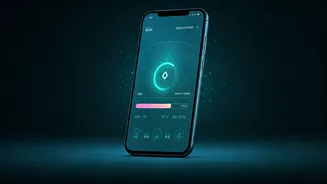
leader HealthifyMe, that use artificial intelligence to deliver hyper-personalized health plans. Users snap photos of their meals, and the AI identifies the dish—from a complex paneer tikka to a simple dal—and logs the precise nutritional information. Based on this data, a user’s goals, and their activity levels, an AI-powered chatbot named 'Ria' provides real-time feedback, suggests healthier alternatives, and designs customized workout routines. It’s a 24/7 wellness companion that offers a level of personalization previously reserved for the wealthy, but at a fraction of the cost.
The Perfect Storm for a Tech Boom
This trend didn’t appear in a vacuum. It’s the result of a unique convergence of technology, economics, and culture that has made India the perfect incubator. First, there’s the smartphone revolution. Thanks to fierce competition and ultra-low data prices (spurred by telecom giant Jio), India has one of the world's largest and most active mobile internet user bases. Nearly everyone has a powerful computer in their pocket. Second, demographics are key. Over half of India's population is under 25. This young, tech-savvy generation came of age with smartphones and is entering the workforce as part of a burgeoning middle class. They have disposable income and, especially after the pandemic, a newfound focus on health and wellness. Yet, traditional gym memberships and personal trainers remain prohibitively expensive for most. AI coaching apps neatly fill this gap, offering an affordable, accessible, and aspiratevely modern solution.
Hyper-Localized for the Indian Palate
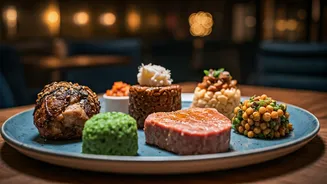
A crucial reason for the success of these apps is that they aren't just Silicon Valley clones dropped into a new market. They are built from the ground up for the complexities of Indian life. A generic app might struggle to calculate the calories in a dosa or a bowl of biryani, but these platforms have vast, crowdsourced databases covering thousands of regional dishes and ingredients. This level of localization is a game-changer. The AI doesn’t just tell a user to eat more protein; it suggests specific, culturally relevant options like lentils, chickpeas, or paneer. The apps often support multiple Indian languages and understand the nuances of various dietary customs, from vegetarianism to festival-specific eating habits. This deep cultural integration builds trust and makes the advice feel genuinely useful, not like a generic directive from a foreign algorithm.
A Glimpse of the Global Future?
While the Indian market has its own unique dynamics, the trend offers a powerful blueprint for the future of wellness technology worldwide. It proves that AI can successfully democratize a service—personalized coaching—that has long been exclusive and expensive. As Western markets also grapple with rising healthcare costs and the need for scalable preventative health solutions, the Indian model provides a compelling case study. Companies in the U.S. and Europe are undoubtedly watching. The success of apps like HealthifyMe demonstrates a massive, untapped market for affordable, AI-driven wellness that goes far beyond simple fitness tracking. The lesson from India is clear: when you combine powerful technology with deep cultural understanding and an accessible price point, you can fundamentally change how an entire country thinks about its health.