





The New Item on Your Packing List: Climate Anxiety
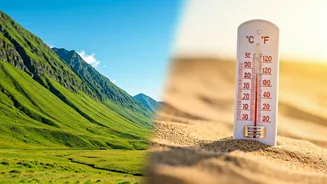
For years, the travel industry has sold a reliable fantasy: turquoise waters, sun-drenched beaches, and idyllic cityscapes. But the powerful El Niño climate pattern, which periodically warms the surface of the eastern Pacific Ocean, is rewriting the script.
Its global ripple effects—scorching heatwaves, prolonged droughts, and intense storms—are turning dream destinations into potential disaster zones. This isn’t some far-off scientific model; it’s a reality that hit home for many in recent years. Tourists fainted at the Acropolis during a brutal Greek heatwave. Wildfires raged near popular resorts in Hawaii and the Mediterranean. And once-reliable ski seasons in North America and Europe have become alarmingly unpredictable. As a result, travelers are starting to view their itineraries through a new lens, one that prioritizes climate resilience over picture-perfect aesthetics. The fear of a vacation ruined by extreme weather is becoming as tangible as the fear of losing a passport.
From Sun-Seeking to Cool-Hunting
The most immediate shift is a geographic one. The classic American pilgrimage to Southern Europe in July and August is losing some of its luster. Why bake in 105-degree Rome or Seville when you could be exploring the fjords of Norway or the temperate rainforests of Washington’s Olympic Peninsula? Travel analytics show a growing interest in cooler, northern destinations. Scandinavia, the Baltic states, Canada, and the northern U.S. are emerging as prime summer spots for those seeking refuge from extreme heat. This isn't just about swapping one country for another; it's a fundamental change in vacation logic. The goal is no longer to simply chase the sun, but to find a comfortable, stable climate. Travel agents report clients are now asking questions that were once unthinkable: “What’s the heatwave risk?” or “Is there a wildfire plan for that area?” The 'pretty itinerary'—a week of sunbathing and sightseeing—is being replaced by a more pragmatic one that accounts for a planet in flux.
The ‘Shoulder Season’ Becomes the New Peak Season
For those still dreaming of Italy or Greece, the strategy is shifting from *where* to *when*. The traditional 'shoulder seasons'—April, May, September, and October—are rapidly becoming the new peak seasons for heat-prone regions. Travelers are discovering that the Mediterranean is just as beautiful, and far more pleasant, when the temperatures are in the 70s instead of the triple digits. This offers a double benefit: milder weather and fewer crowds. The same logic applies to Caribbean and Mexican destinations, where the risk of hurricanes during the late summer and fall is exacerbated by the warmer ocean temperatures El Niño brings. Discerning travelers are learning to schedule their trips outside these high-risk windows, even if it means missing the traditional holiday breaks. It’s a move toward smarter, more strategic travel planning that respects the power of Mother Nature.
A Deeper Shift: Conscientious Travel
This trend goes beyond simply dodging bad weather. For a growing number of travelers, the climate crisis is prompting a deeper ethical reevaluation. They are moving “beyond pretty itineraries” not just for comfort, but for conscience. This means asking tougher questions about their impact. Is it responsible to fly to a destination struggling with severe drought? Should you visit a fragile ecosystem threatened by rising sea levels? This mindset is fueling interest in destinations that practice regenerative tourism—leaving a place better than you found it. It’s also leading to the rise of 'cool-cationing' within the U.S., where travelers opt for lower-carbon road trips to places like the Great Lakes or New England instead of long-haul flights. This isn't just about personal comfort anymore; it's about recognizing that our travel choices are intertwined with the health of the places we love to visit.