



From Owner to 'Pet Parent'
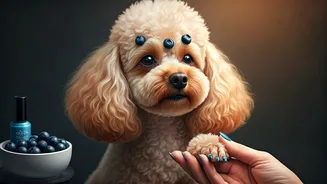
The change starts with a simple word: 'parent.' For a growing number of Americans, particularly millennials and Gen Z, pets aren't just property; they're family. This isn't just sentimental fluff—it's a fundamental reclassification that’s reshaping a multi-billion-dollar
industry. These generations, often delaying marriage and children, have redirected their nurturing instincts and disposable income toward their four-legged companions. They call their dogs their 'fur babies,' celebrate 'gotcha days' like birthdays, and build their social lives around trips to the dog park. This 'humanization' of pets means the standards for their care are no longer based on what’s traditional for an animal, but on what’s considered best for a human child. The question has evolved from 'What does my dog need to survive?' to 'What does my dog need to thrive?'
The Clean Food Revolution in a Bowl
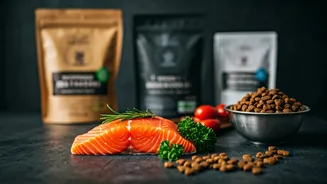
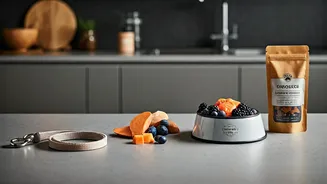
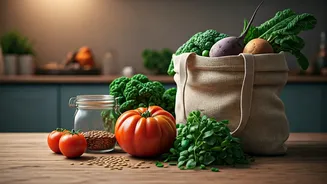
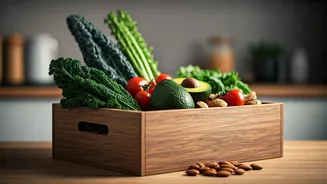
Nowhere is this shift more visible than in the food bowl. The demand for 'cleaner' pet food mirrors the clean-eating movement in human nutrition. Pet parents are rejecting brightly colored kibble full of corn, by-products, and artificial preservatives. Instead, they’re reaching for options that sound like they belong at a Whole Foods checkout. This includes 'human-grade' recipes made in FDA-approved kitchens, fresh or frozen meals delivered to their door, and limited-ingredient diets for sensitive stomachs. Brands now tout buzzwords like 'non-GMO,' 'sustainably sourced,' and 'grain-free' (though the latter has faced veterinary scrutiny, a complexity savvy consumers are also tracking). Transparency is paramount. Pet parents want to know where the chicken was raised and what farm the sweet potatoes came from. They are, in effect, applying the farm-to-table ethos to their pet’s diet, believing that better inputs lead to better health outcomes, from a shinier coat to a longer life.
Healthcare That Mirrors Our Own
The expectation for better care extends far beyond the kitchen. The modern veterinary clinic is beginning to look a lot more like a human hospital, offering a level of specialized medicine that was once unthinkable for animals. Basic checkups and vaccinations are just the beginning. Today’s pet parents are investing in preventative wellness plans, comprehensive pet insurance, and advanced treatments that parallel human healthcare. Is your cat acting lethargic? A veterinary internist might be consulted. Did your dog tear a ligament? A course of physical therapy, complete with underwater treadmills, is a real option. We're seeing the rise of veterinary specialists in fields like oncology, cardiology, neurology, and dermatology. Even mental health is on the table, with behavioral specialists and anxiety medications becoming more common to help pets cope with separation anxiety or noise phobias. This isn’t about spoiling an animal; it's about providing a quality of life that 'pet parents' believe every member of their family deserves.
The Soaring Price of Unconditional Love
This new standard of care, of course, comes at a cost. The U.S. pet industry has exploded into a market worth well over $100 billion annually, according to the American Pet Products Association. Premium food can cost three or four times as much as conventional kibble, and a single emergency vet visit for a specialized procedure can easily run into the thousands of dollars. But for millions, it's a price they are willing to pay. They see it not as an expense, but as an investment in a cherished family member's well-being and longevity. This economic force is driving innovation, creating jobs, and forcing legacy brands to either adapt or become obsolete. It signals a powerful consumer value system where emotional fulfillment and the health of a companion animal are prioritized in household budgets, often on par with other essential spending.