



From Niche Substitute to Center Stage
For decades, meatless options were defined by what they weren't. They were a culinary compromise, a choice driven by ethics or health, rarely by a quest for flavor. The food itself—often dry, crumbly, and apologetically bland—was designed to mimic meat and usually
failed. It lived in the health food aisle or as a single, dusty menu item, a signal that the chef’s creativity stopped where the meat did. That era is decisively over. The new generation of alternative protein isn't about hiding in the shadow of beef or chicken; it's about stepping into the spotlight. The conversation has shifted from substitution to innovation. It's no longer about a plant-based patty trying to be a burger. It's about a mushroom, a legume, or a novel fermented protein being something delicious and compelling in its own right. This confidence is the bedrock of its newfound coolness.
The Chef-Driven Revolution
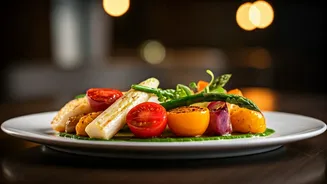
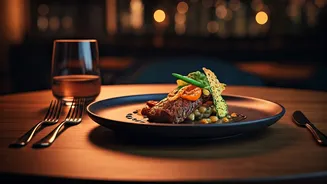
The most significant signal of this shift came from the top of the culinary world. When Chef Daniel Humm announced in 2021 that his three-Michelin-star restaurant, Eleven Madison Park, was going entirely plant-based, it sent shockwaves through the industry. The move wasn’t positioned as a sacrifice but as a new frontier for luxury and creativity. Suddenly, a $300+ tasting menu could be built around beets, squash, and grains, treated with the same reverence and technique once reserved for foie gras and lobster. This high-end endorsement created a permission structure for chefs everywhere. Across the country, new restaurants are opening with plants at their core, not as an option. Places like Crossroads Kitchen in Los Angeles serve sophisticated pasta and 'seafood' towers without a trace of animal products, attracting a celebrity clientele that comes for the scene as much as the food. These chefs aren't just cooking vegetables; they're reimagining what a restaurant can be, proving that indulgence and plant-based are not mutually exclusive.
It’s All About the Vibe
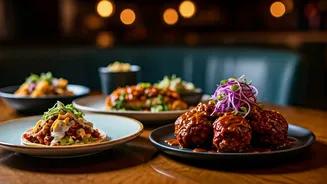
The cool factor extends far beyond the plate. The new wave of alternative protein hotspots has mastered branding and atmosphere. Gone are the sterile, crunchy-granola aesthetics of old-school vegan cafes. In their place are restaurants with dramatic lighting, curated playlists, inventive cocktail programs, and a palpable buzz. Take the chain Planta, with outposts in cities like New York and Miami. Its locations are lush, vibrant, and unabashedly chic—places you’d go for a celebratory dinner or a stylish date night, and the fact that it's plant-based is almost secondary. Then there’s the phenomenon of Slutty Vegan in Atlanta, which built a cult following with provocatively named, deliciously messy burgers, long lines, and an energetic, party-like atmosphere. The message is clear: this food isn't about quiet virtue. It’s about fun, community, and pleasure.
Beyond the Impossible Burger
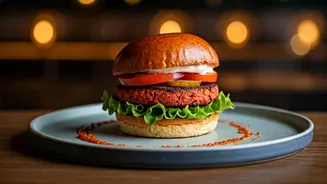
While brands like Impossible Foods and Beyond Meat kicked open the door by creating shockingly good meat analogues, the current era is exploring what lies beyond imitation. Fungi are having a major moment, with chefs celebrating the rich, umami-packed potential of oyster, lion’s mane, and shiitake mushrooms as standalone 'steaks' or savory fillings. Fermentation is another key player, unlocking complex flavors in tofu, tempeh, and novel proteins made from koji (the mold used for soy sauce and sake). This spirit of exploration signals a maturing market. The initial goal was to win over carnivores with a familiar format. Now, the goal is to create entirely new food experiences. The focus is on unique textures and deep, savory flavors that don't need to be compared to meat to be considered legitimate and exciting. It's about a culinary world expanding its pantry, not just finding replacements.