




The Lake at the Center of It All
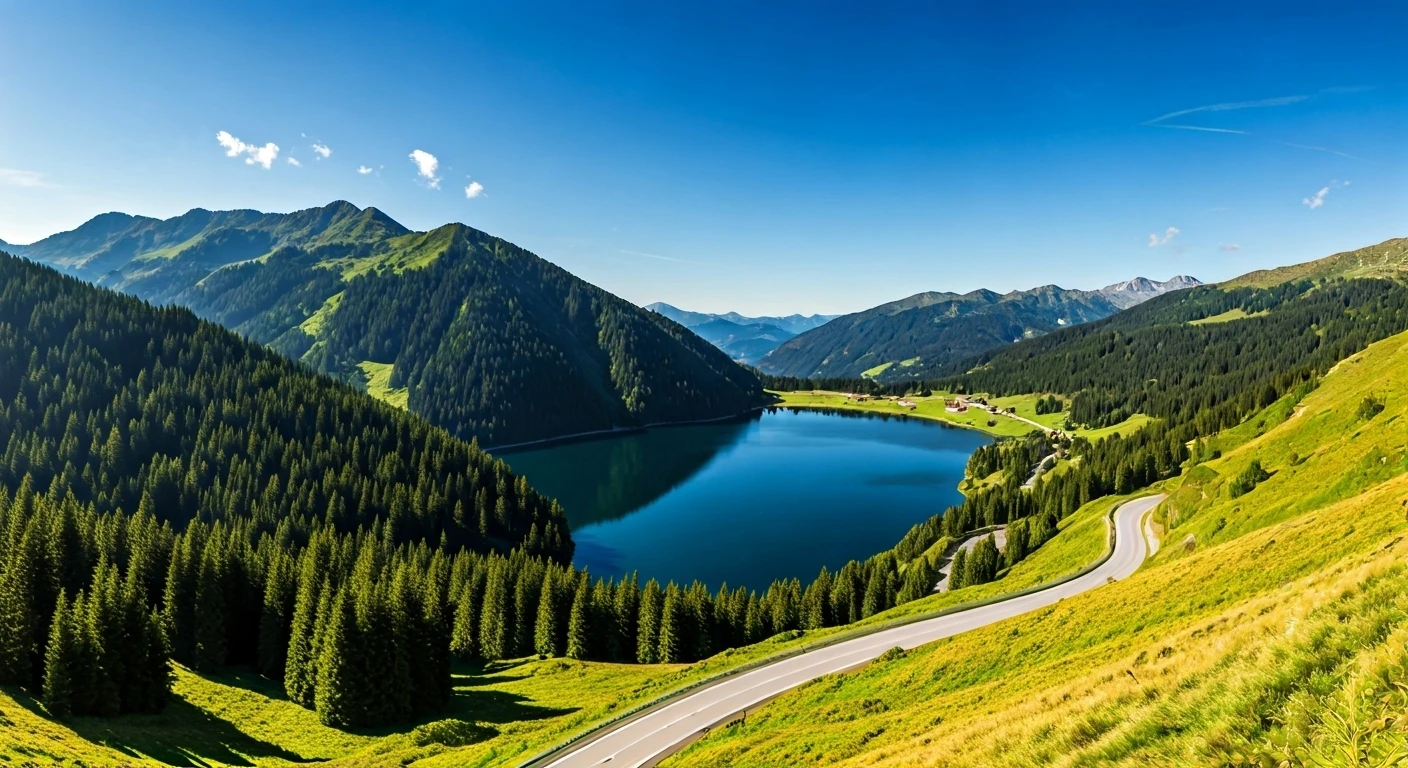
Everything in Nainital revolves around Naini Lake, a shimmering, eye-shaped body of water that gives the town its name and its soul. According to Hindu mythology, the lake is one of the emerald eyes of Sati, wife of the god Shiva. But its modern history
began in 1841 when P. Barron, a British sugar merchant, stumbled upon it and was so captivated that he established the town as a refuge from the oppressive heat of the Indian plains. Today, that same sense of discovery awaits visitors. The promenade, known as The Mall Road, buzzes with a gentle energy. On one side, shops and restaurants beckon; on the other, colorful yachts and paddleboats drift across the water’s surface. Hiring a boat is a quintessential Nainital experience, offering a serene, water-level view of the villas and guesthouses climbing the steep, forested hillsides that cup the lake.
A Walk Through the British Raj
To walk through Nainital is to step into a bygone era. The British left an indelible mark on the landscape, and their architectural legacy is the town’s most defining feature. The Governor’s House, or Raj Bhavan, is the crown jewel. Built in the late 1890s, this sprawling estate of stone and dark wood is a stunning example of Victorian Gothic architecture, often compared to a Scottish castle transplanted into the Himalayas. It’s not just a museum piece; it still serves as the official residence of the Governor of Uttarakhand. Elsewhere, ivy-covered cottages with gabled roofs and stone chimneys dot the hills. St. John in the Wilderness, an Anglican church consecrated in 1846, sits quietly amid a deodar forest, its weathered spire and stained-glass windows telling a story of colonial faith. Even the old schools, like Sherwood College and St. Joseph’s College, look like they were pulled from the pages of an English novel, their stone facades overseeing manicured grounds.
Beyond the Colonial Footprint
What makes Nainital feel “new again” is that its history is not a perfectly preserved, sterile exhibit. It's a living backdrop for a vibrant, modern Indian town. The old-world charm is layered with local Kumaoni culture and the lively spirit of a popular getaway. Just off The Mall Road, the Bhutia or Tibetan Market is a maze of narrow lanes filled with vendors selling everything from hand-knitted woolens and fragrant candles to savory momos (dumplings) steamed to perfection. The scent of roasted corn from street-side stalls mingles with the crisp mountain air. This fusion is Nainital’s true magic. You can spend the morning admiring a Gothic church and the afternoon haggling for a colorful shawl, or enjoy a traditional English afternoon tea followed by a dinner of rich, fragrant Kumaoni curries. The town doesn't force you to choose between its past and present; it invites you to enjoy both at once.
The View from Above
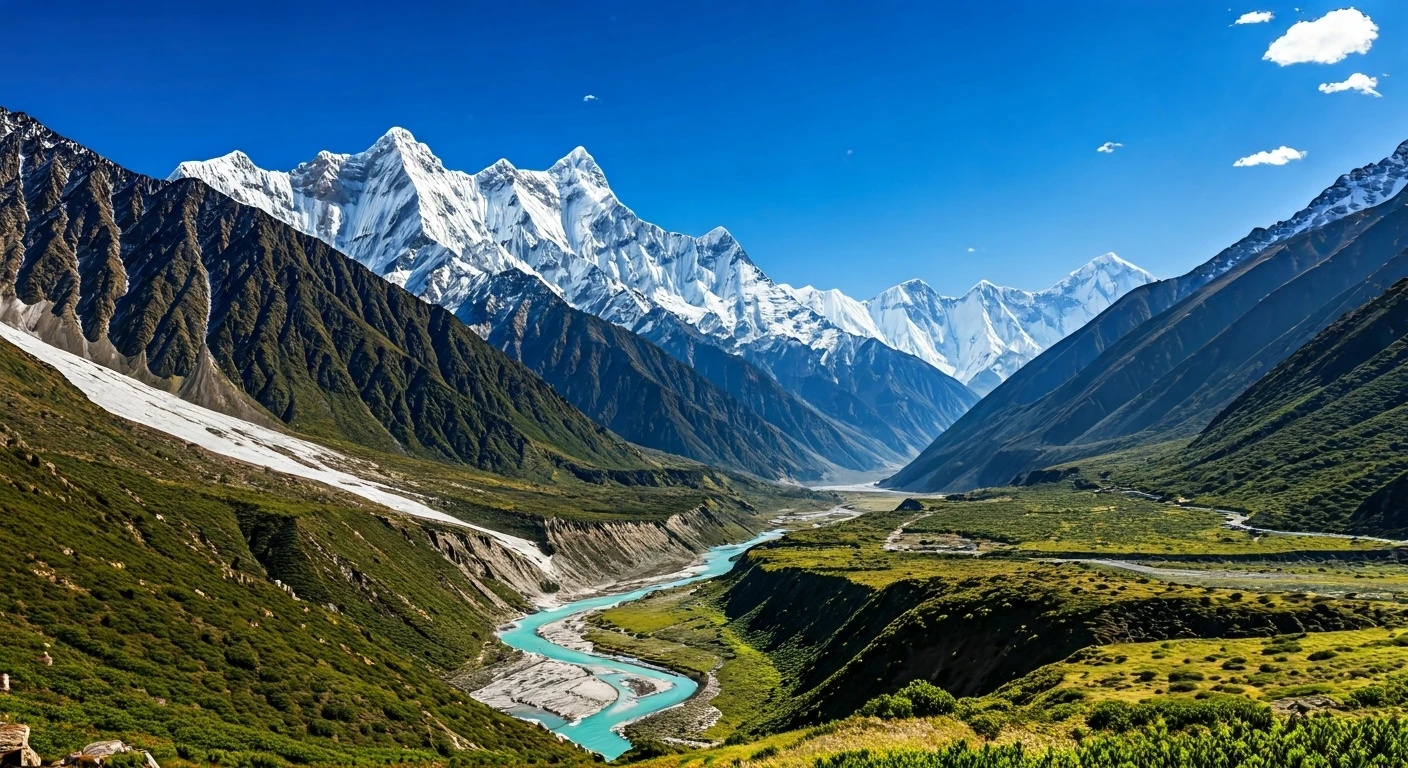
To fully appreciate Nainital's setting, you have to go up. The Aerial Ropeway, a cable car, glides from the lower part of town up to Snow View Point. As the car ascends, the entire valley unfolds below. The emerald lake shrinks to a jewel, and the dense cluster of buildings around its shore looks like a miniature village. From the top, on a clear day, the panoramic view extends to the majestic snow-capped peaks of the Himalayas, including Nanda Devi, India’s second-highest peak. This perspective makes it clear why the British chose this spot. It wasn't just about escaping the heat; it was about finding a piece of breathtaking, almost spiritual, natural beauty. The vista is a powerful reminder that while the architecture tells a story of human history, the mountains and the lake tell a much older, more enduring one.